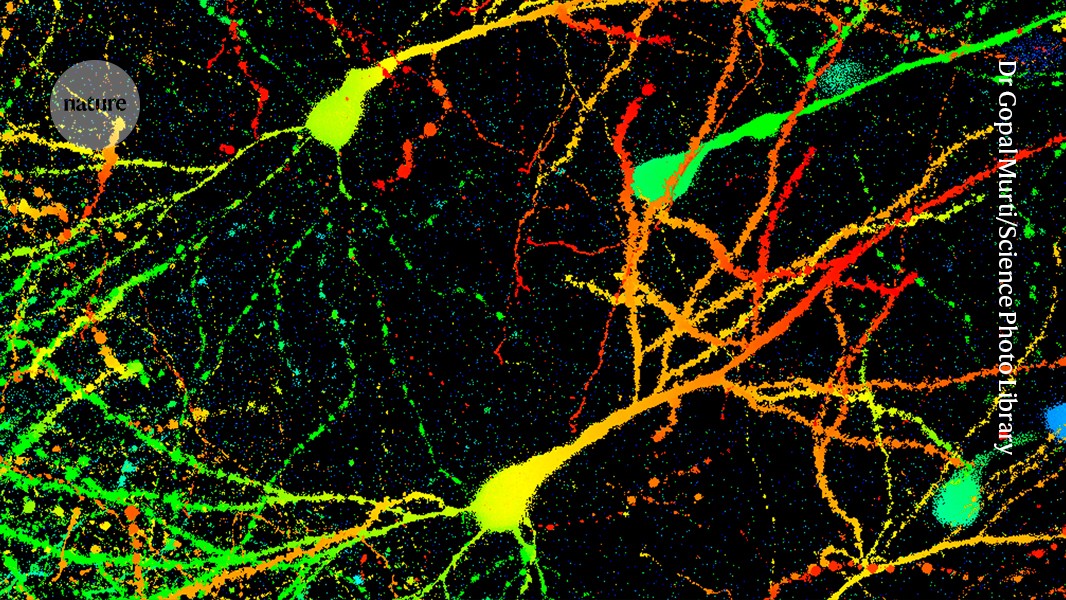
"Betley and his colleagues were curious about what happens in the brain as people get stronger through exercise. They decided to focus on the ventromedial hypothalamus, a brain region that regulates appetite and blood sugar. The team then zeroed in on a group of neurons in that region that produce a protein called steroidogenic factor 1 (SF1), which is known to play a part in regulating metabolism. A previous study found that the deletion of the gene that codes for SF1 impairs endurance in mice."
"Betley's team monitored the activity of SF1 neurons in mice running on a treadmill and found that these cells were indeed activated by exercise. Interestingly, one group of SF1 neurons became active only after exercise sessions ended. After several training sessions, the number of neurons that were activated post-run, as well as the magnitude of their activation, increased. When the researchers examined brain slices from mice that had trained consistently over three weeks, they saw changes in the SF1 neurons' electrical properties co"
Repeated treadmill exercise produces neural plasticity in the ventromedial hypothalamus by strengthening connections and increasing activation of SF1-expressing neurons. A subgroup of SF1 neurons becomes active after exercise sessions, and both the number of post-run-activated neurons and the magnitude of their responses grow with repeated training. Deletion of the SF1 gene impairs endurance, linking SF1 neuron function to running performance. Electrophysiological properties of SF1 neurons change after consistent training over weeks, indicating intrinsic and synaptic rewiring. Neural adaptations in this hypothalamic circuit contribute to improved endurance alongside cardiovascular and muscular changes.
Read at Nature
Unable to calculate read time
Collection
[
|
...
]