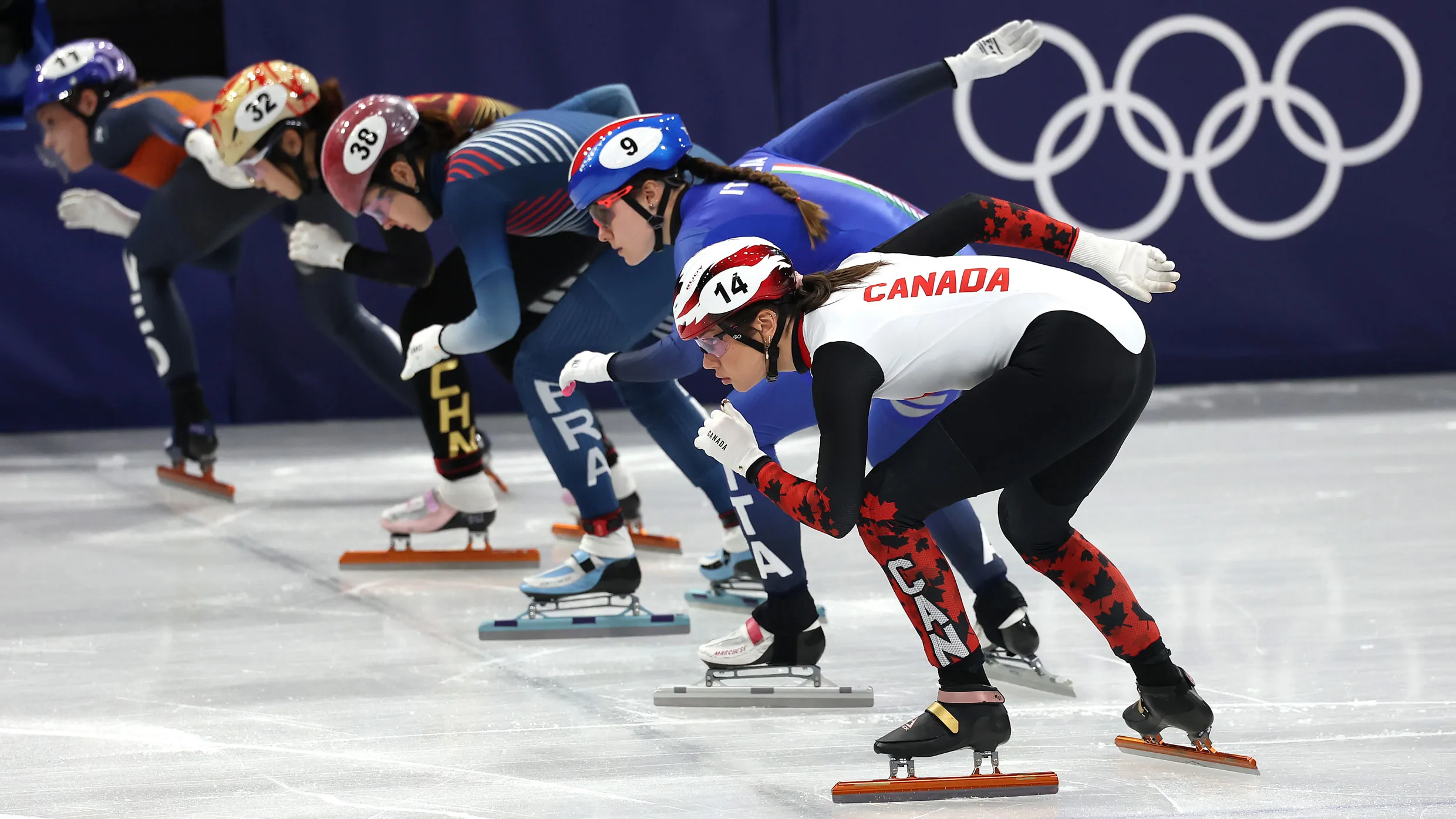
"At the Winter Olympics, skiers, bobsledders, speedskaters, and many other athletes all have to master one critical moment: when to start. That split second is paramount during competition because when everyone is strong and skilled, a moment of hesitation can separate gold from silver. A competitor who hesitates too much will be left behind -but moving too early will get them disqualified."
"Though the circumstances are less intense, this paradox of hesitation applies to daily life. Waiting for the right moment to cross the street, or pausing before deciding whether to answer a call from a number you don't recognize, are daily examples of hesitation. Importantly, some psychiatric conditions such as obsessive-compulsive disorder are characterized by impulsivity, or a lack of hesitation, while excessive hesitation is a crippling consequence of several anxiety disorders."
"As a neuroscientist, I have been working to uncover how the brain decides when to act and when to wait. Recent research from my team and me helps explain why this split-second pause happens, offering insight not only into elite athletic performance, but also how people make everyday decisions when the potential outcome isn't clear. We found that the key to hesitation is a response to uncertainty."
"To understand how the brain controls hesitation, my colleagues and I designed a simple decision-making task in mice. The task required the mouse's brain to interpret signals that were predictably good, predictably bad or-most importantly-uncertain, meaning somewhere in between. Different auditory tones indicated whether a drop of sugar water would soon be delivered, not delivered, or had a 50/50 chance of delivery."
Hesitation matters when timing determines success, such as in competitive starts and everyday choices. Insufficient hesitation appears in impulsivity and obsessive-compulsive traits, while excessive hesitation occurs in anxiety disorders. Neural mechanisms show hesitation arises as a response to uncertainty about outcomes. A decision task in mice used auditory cues signaling certain reward, certain no-reward, or 50/50 probability; mice waited longer before licking in uncertain trials even though their behavior did not change outcomes. These findings link neural decision-timing to performance, everyday behavior, and clinical conditions involving altered hesitation.
Read at Fast Company
Unable to calculate read time
Collection
[
|
...
]