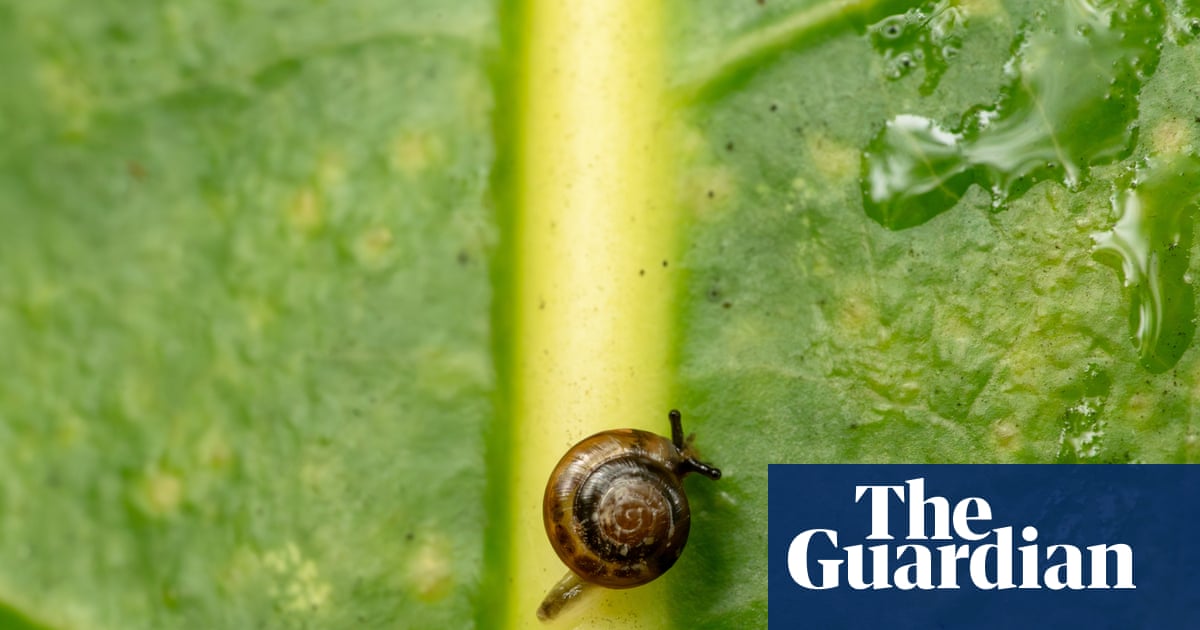
"On a grey day in early June, a commercial plane landed at Norfolk Island Airport in the South Pacific. Onboard was precious cargo ferried some 1,700km from Sydney: four blue plastic crates with LIVE ANIMALS signs affixed to the outside. Inside were thumbnail-sized snails, hundreds of them, with delicate, keeled shells. The molluscs' arrival was the culmination of an ambitious plan five years in the making: to bring a critically endangered species back from the brink."
"Officially, the Campbell's keeled glass-snail has met the same fate as the Tasmanian tiger. It was listed on the International Union for Conservation of Nature red list as extinct in 1996. But in 2020, Dr Isabel Hyman, a snail scientist or malacologist at the Australian Museum received surprising photos from a Norfolk Island citizen scientist called Mark Scott, of an unusual large snail that he'd found. Hyman recognised the species immediately as Advena campbellii, which grow to over 2cm in size."
"As far as I knew, it was extinct, so we were very excited, Hyman recalls. That March, as countries around the world were locking down due to the Covid-19 pandemic, she and colleagues made a trip to Norfolk Island, and in a sheltered valley found what they were looking for: a lineup of Campbell's keeled glass-snails, hidden under a decayed palm frond."
"In 2021, 46 of the snails were flown to a captive breeding facility at Taronga Zoo, which the team established as the best bet to save the animal from extinction. Footage shows snail on the brink of extinction giving birth through its neck - video The snails give birth to live young from the side of their necks, birthing a new baby every fortnight."
Campbell's keeled glass-snail was presumed extinct since 1996 but was photographed in 2020 on Norfolk Island. Malacologist Isabel Hyman identified the specimens as Advena campbellii, which reach over 2cm. A March field visit during Covid-19 lockdowns located a lineup of the snails hidden under a decayed palm frond. In 2021, 46 individuals were transferred to a captive breeding facility at Taronga Zoo to prevent extinction. The snails give live birth from the side of their necks approximately every fortnight. For the first two years, births barely outpaced deaths, making recovery challenging.
Read at www.theguardian.com
Unable to calculate read time
Collection
[
|
...
]