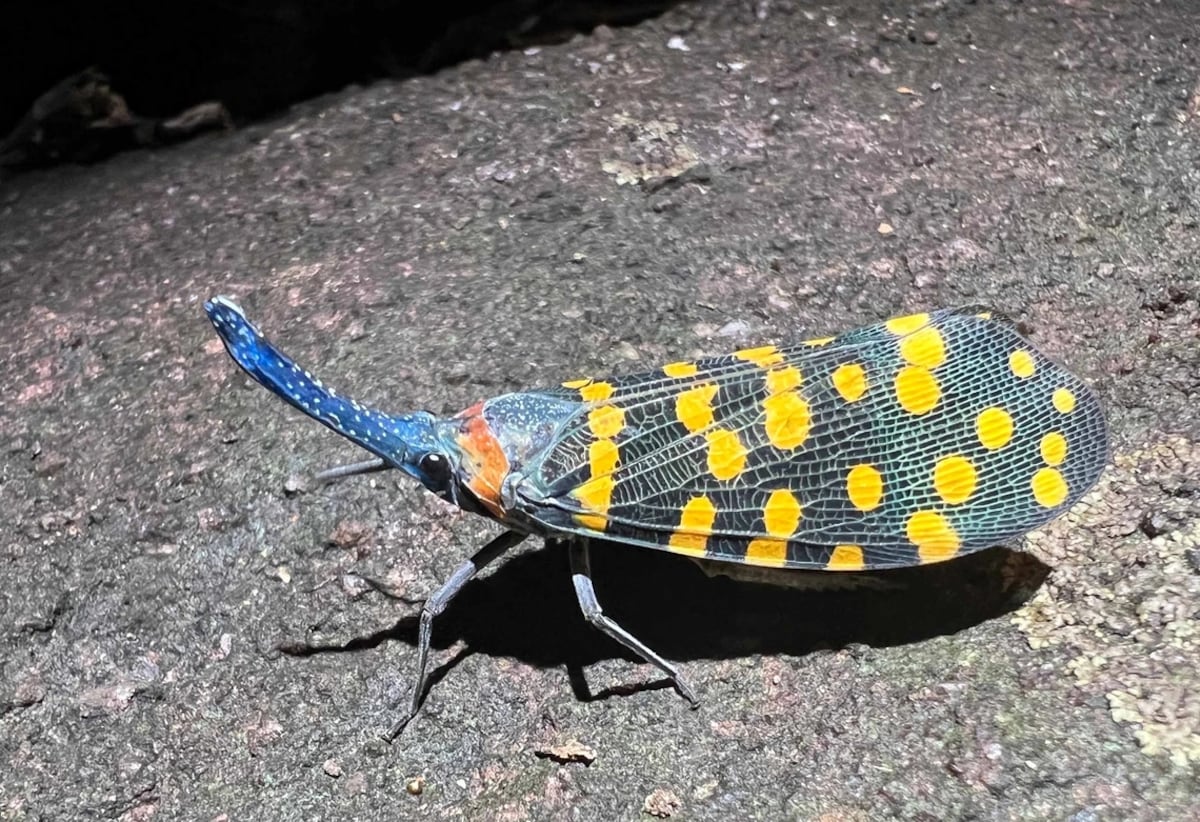
"Contrary to what was believed, the rate of cataloging new species is not slowing down, but rather accelerating in almost all the taxonomic groups into which life is organized. Moreover, according to a study published in Science Advances, there are as many species left to discover on Earth as those that are already known. The problem is that many of the new organisms are classified as endangered as soon as they are discovered."
"The problem is that many of the new organisms are classified as endangered as soon as they are discovered. Linnaeus devised the binomial system for classifying all known living things. Following his taxonomy, humans are Homo sapiens. The first letter, capitalized, indicates the genus to which the second, the species, belongs. Above this are further categories; simplifying and in ascending order, the main ones are: family (Hominids), order (Primates), class (Mammals), phylum (Chordates), kingdom (Animalia), and domain (Eukaryota)."
Carl Linnaeus classified about 12,000 species and established the binomial system for naming organisms. Species discovery rates are accelerating across almost all taxonomic groups, with tens of thousands described annually in recent years. Estimates indicate that roughly as many species remain undiscovered as those already known. Many newly described organisms are assessed as endangered upon discovery. Taxonomic hierarchy proceeds from genus and species up through family, order, class, phylum, kingdom, and domain. Between 2000 and 2020, annual averages of newly described animals included 27 mammals, 336 ray-finned fish, 16 sharks and rays, 133 amphibians, 129 lizards and snakes, and four birds.
Read at english.elpais.com
Unable to calculate read time
Collection
[
|
...
]