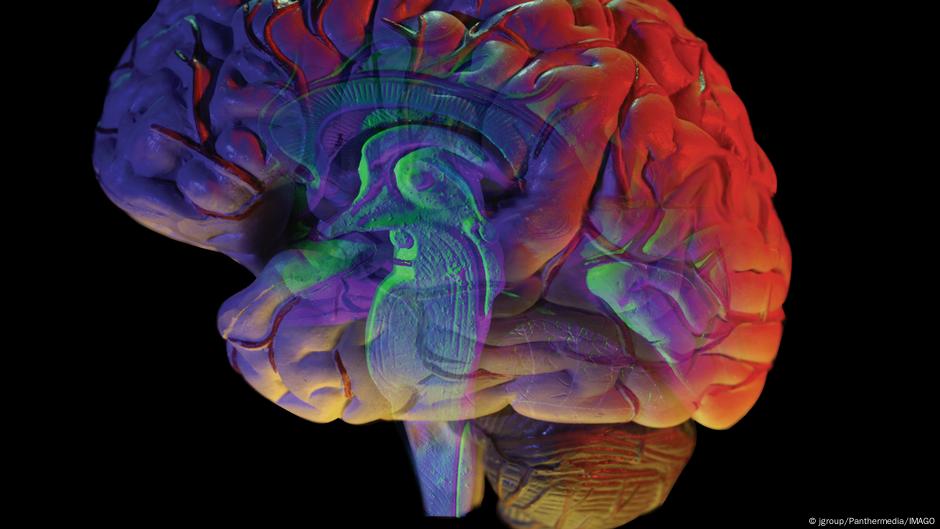
"Medications often prescribed for attention deficit hyperactivity disorder seem to work differently than science previously thought. A study published in December by researchers at the Washington University School of Medicine in the United States has found that drugs commonly prescribed for ADHD such as Ritalin or Adderall "act primarily on the brain's reward and wakefulness centers, rather than on its attention circuitry.""
"The study shows what such stimulants can realistically achieve and what they can't, information important for people with ADHD because it demonstrates why some tasks suddenly feel less strenuous for people who use medication. It also explores why sleep deprivation is such an important factor. ADHD is a neurodevelopmental disorder that begins in childhood. People affected by it often have ongoing problems with attention, impulse control and hyperactivity."
Researchers at Washington University analyzed fMRI scans from nearly 5,800 children to compare brain connectivity in groups with and without ADHD and with or without medication on the day of scanning. Scans revealed altered connectivity among brain regions in children with ADHD. Common stimulant medications such as methylphenidate and amphetamine formulations act mainly on reward and wakefulness centers, not directly on attention networks. That mechanism helps explain why medication can make tasks feel less effortful and why motivation improves, while also highlighting the strong influence of sleep deprivation on cognitive functioning in ADHD.
Read at www.dw.com
Unable to calculate read time
Collection
[
|
...
]