"The precedent behind birthright citizenship goes back to a 1898 ruling in the case brought by San Francisco-born Wong Kim Ark, who was barred from re-entry under the Chinese Exclusion Act after a trip to visit family in China, even though he carried paperwork attesting to his U.S. birth."
"In their decision in Wong's favor, the justices pointed to the citizenship clause of the 14th Amendment, added to the Constitution in 1868 after the abolition of slavery, which states: 'All persons born or naturalized in the United States, and subject to the jurisdiction thereof, are citizens of the United States.'"
"How do you prove citizenship for your newborn when it's not based on a birth certificate anymore? Parents are calling us, wondering if their baby's going to be subject to deportation ... and what will statelessness mean for my baby?"
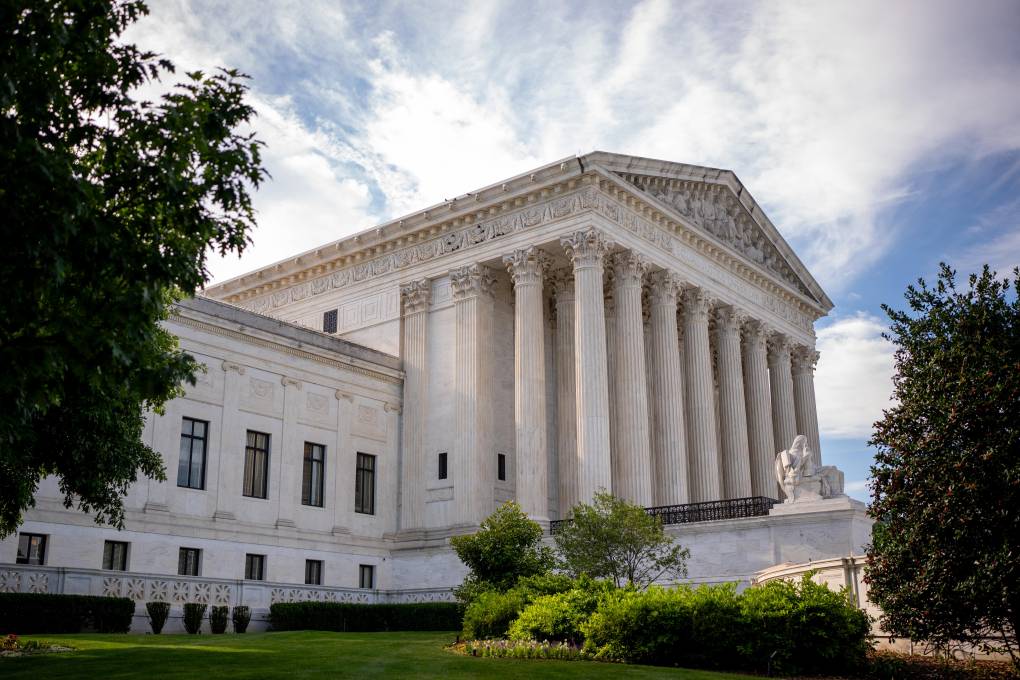
The U.S. Supreme Court is hearing arguments regarding the Trump administration's attempt to limit birthright citizenship. This principle, established by the 1898 Wong Kim Ark case, asserts that anyone born on U.S. soil is a citizen, regardless of their parents' immigration status. The 14th Amendment's citizenship clause affirms this rule. Advocates are concerned about the implications for newborns and the potential for statelessness, as parents fear deportation for their children. Norman Wong, great-grandson of Wong Kim Ark, is particularly invested in the outcome of this case.
Read at Kqed
Unable to calculate read time
Collection
[
|
...
]