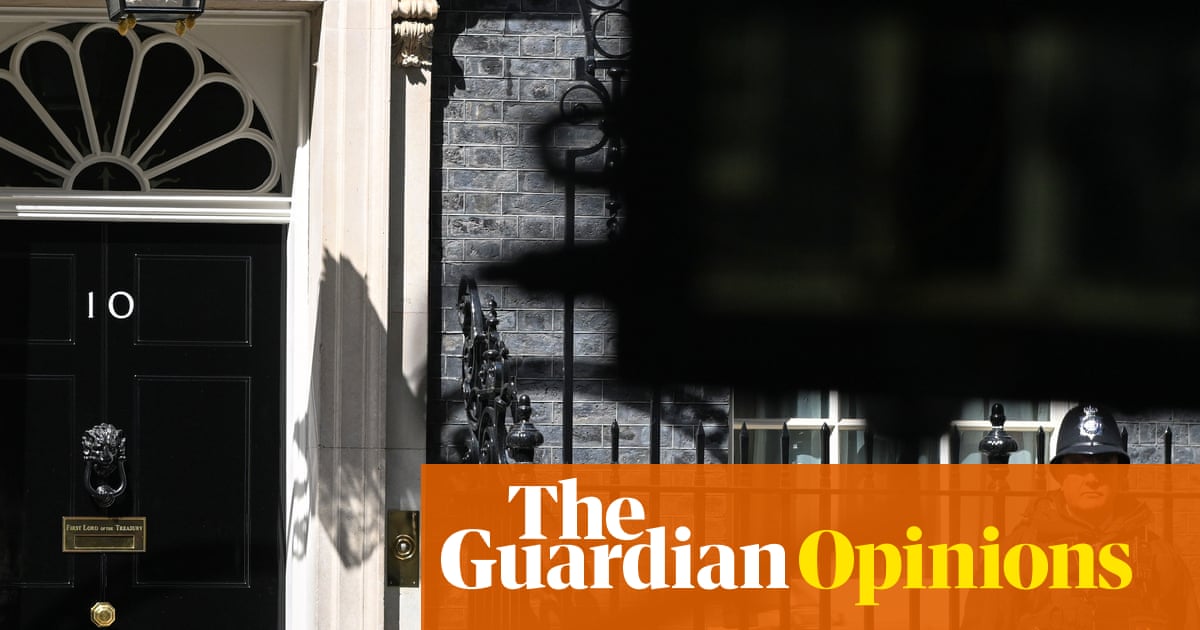
"So why doesn't Labour privately assume that it's likely to lose the next general election and do as much as it can in office, while it can, without worrying so much about the electoral consequences? This may turn out to be an even more important question than who should be its leader. Yet even to suggest such an uninhibited approach feels like a heresy. The memory of Tony Blair's administration from 1997 to 2007, with its decade of incremental reforms and consecutive general election victories, still grips many senior Labour figures."
Government performance in democratic countries is often judged by timely delivery, and voters eventually withdraw support, causing governments to fall and promising policies to remain unfulfilled. Labour governments typically experience a shorter and more difficult path because they face stronger media opposition, powerful economic interests, and greater voter suspicion. Even with large electoral majorities, Labour is often viewed as unnatural by people inside and outside the party, and governments without an assumed right to rule tend to age quickly. The Starmer government’s rapid shift from election victory to public contempt and leadership turmoil illustrates how brief Labour’s opportunities can be. Digital media, impatient voters, and rapid turnover of Tory premiers have weakened the state and increased disillusionment, reducing prospects of long tenure. Few democratic governments are re-elected now, raising the question of whether Labour should act more aggressively while in office.
Read at www.theguardian.com
Unable to calculate read time
Collection
[
|
...
]