The U.S. consumer confidence index declined slightly to 93.1 in May after three months of increases. Gas prices remained high, and inflation stayed elevated, worsening purchasing power for many Americans. A separate University of Michigan measure fell to a record low, with higher gas and food costs contributing to inflation that outpaced paycheck growth. Polls indicated Americans were increasingly dissatisfied with President Trump’s economic policies, raising concerns for Republicans ahead of midterm elections. The Conference Board survey found rising prices led two-thirds of respondents to cut spending, including delaying expensive purchases and reducing spending on items such as clothes, shoes, hobby goods, and toys. Inflation rose to 3.8% in April, above the Federal Reserve’s 2% target, with grocery and beef prices also increasing due to shipping costs and reduced cattle herds.
"The Conference Board's consumer confidence index slipped 0.7 points to 93.1 in May, the first decline after three months of gains. The index follows a separate gauge of consumer sentiment released last week by the University of Michigan, which fell to a record low this month. Spikes in gas prices as well as higher food costs have worsened inflation, which has outpaced the growth in average paychecks, reducing most Americans' purchasing power."
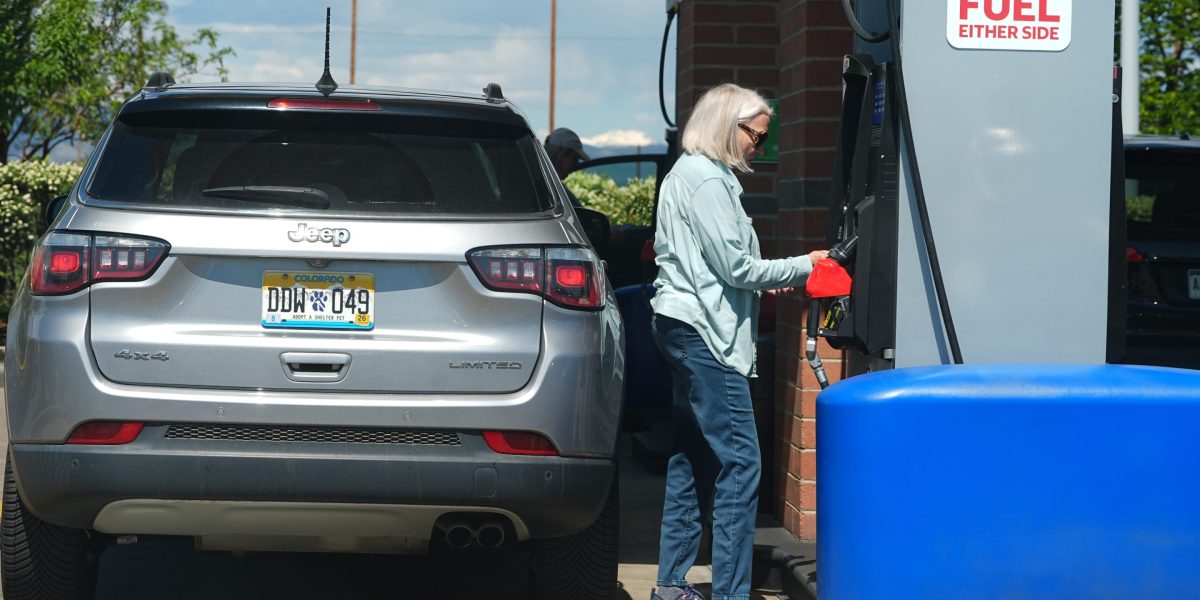
"Gas prices have soared to a nationwide average of $4.49 a gallon from $2.98 just before the war began at the end of February, and have been at or above $4.50 a gallon for nearly all of May. This month, the Conference Board added special questions to its survey, which found rising prices have caused most Americans to change their spending habits. Two-thirds of respondents said they are cutting back spending in response to the increases, with most of those reducing overall purchases and delaying more expensive acquisitions."
"Inflation jumped to 3.8% in April, the highest in three years and far above the Federal Reserve's 2% target. In addition to more expensive gas, grocery prices have also started rising more quickly, likely driven by higher shipping costs. Beef prices have also risen sharply, as drought and other factors have reduced cattle herds. The higher prices are, on average, reducing Americans' inflation-adjusted incomes. Average hourly earnings, adjusted for price changes, shrank in April from a year earlier for the first time in three years."
Read at Fortune
Unable to calculate read time
Collection
[
|
...
]