"Florida is one of those spots. The state has some of the country's highest insurance costs, and in recent years, a lot of homeowners had to rely on the state's insurer of last resort, known as Citizens Property Insurance Corp., because private carriers left Florida or went bankrupt after major storms. But private insurers have been returning to Florida, and most homeowners who are still covered by a state-backed plan will see their premiums go down this spring."
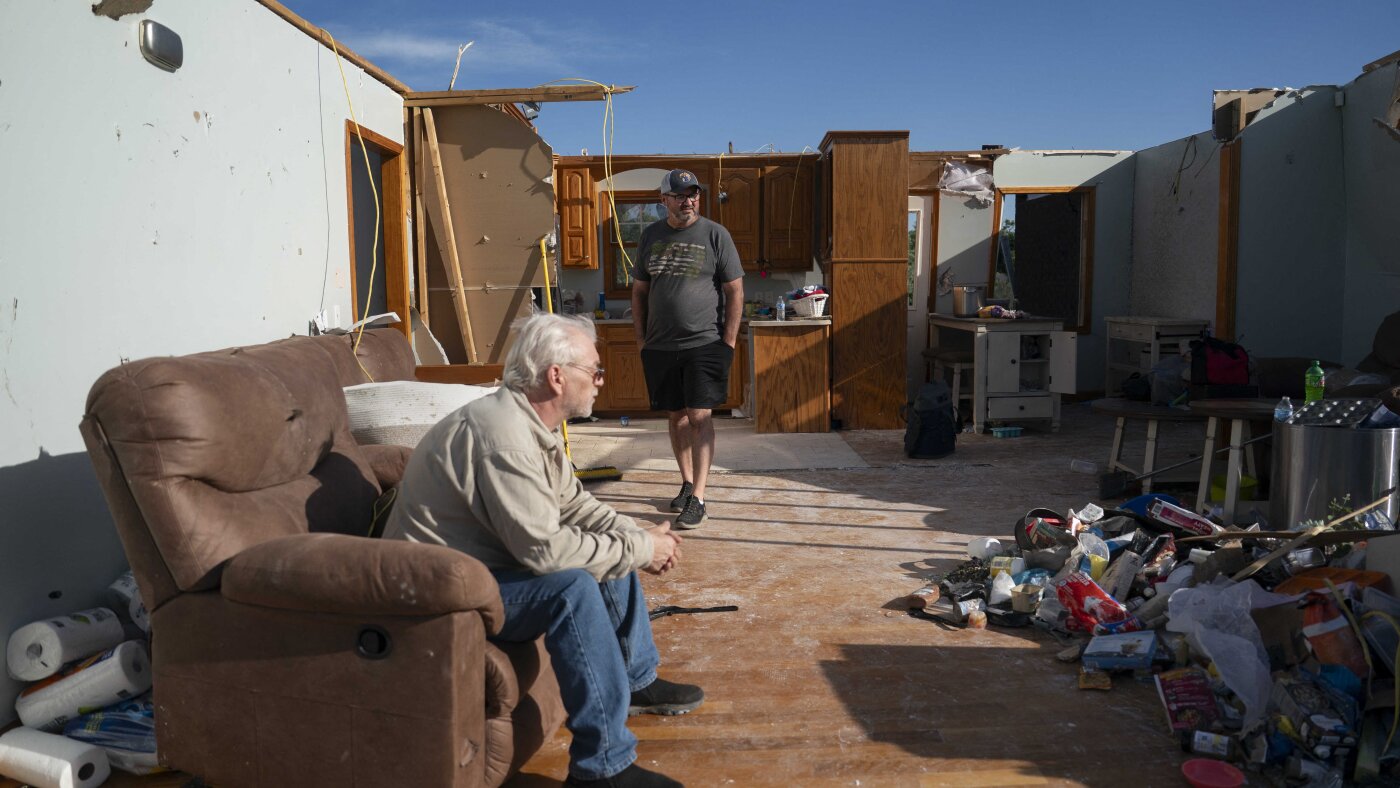
"Nationwide, however, industry forecasts show premiums rising between 3% and 8%, according to Bankrate. The steepest hikes are expected in Midwestern states that have suffered hail and tornado damage from big convective storms, says Mark Friedlander, a spokesperson for the Insurance Information Institute, an industry research group."
"Given the mounting financial toll, a lot of home insurers probably won't rush to cut rates based on what happened in a single year, especially since the risk of more-intense storms, floods and wildfires is growing as temperatures rise, says Jacob Gellman, an assistant professor of applied economics at Oregon State University."
American homeowners have endured rising insurance costs due to climate-related disasters, but 2025 presented fewer extreme weather events, with no hurricanes hitting the continental U.S. despite wildfires and flooding in California, Texas, and Alaska. Florida represents an exception where private insurers are returning after years of departures and bankruptcies, allowing most state-backed policyholders to see premium decreases this spring. Nationally, however, forecasts predict premiums will rise 3-8%, with steepest increases in Midwest states affected by hail and tornado damage. Despite lower disaster costs last year, insurers remain cautious about cutting rates significantly, as extreme weather has caused over $100 billion in annual losses for four of the past five years, and climate risks continue escalating.
#homeowners-insurance #climate-change-and-insurance #premium-increases #extreme-weather #florida-insurance-market
Read at www.npr.org
Unable to calculate read time
Collection
[
|
...
]