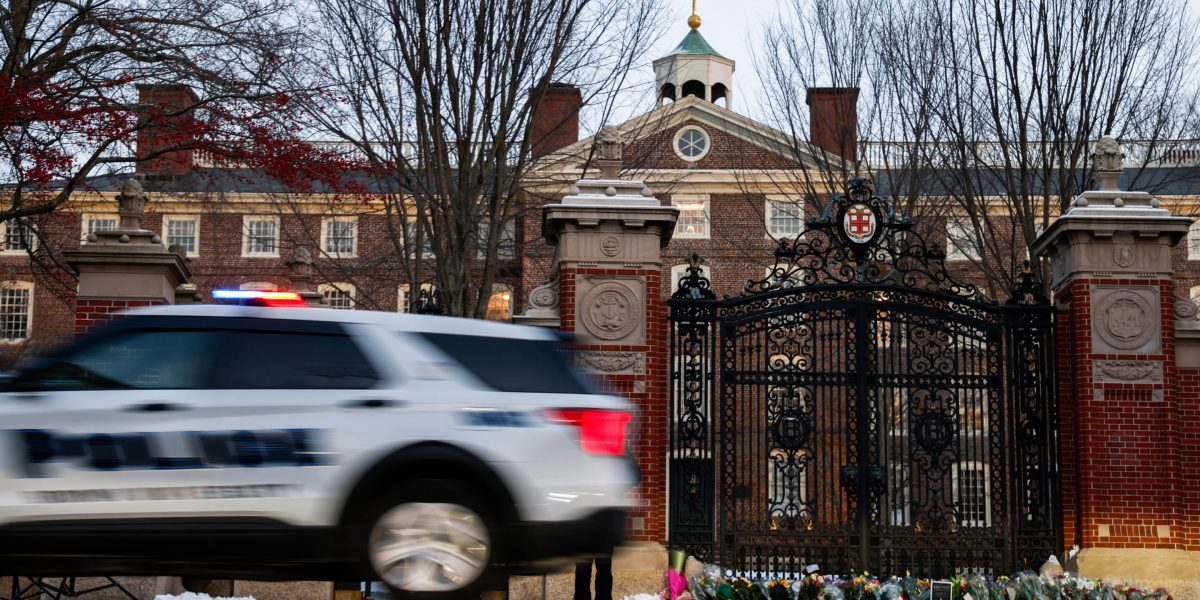
"Sweeping surveillance, now found in doorbells, cars and a vast network of vehicle-tracking cameras, did eventually help track down the whereabouts of Claudio Neves Valente, the 48-year-old former Brown graduate student investigators believe was responsible for the Dec. 13 shooting and another killing two days later of an MIT professor in Brookline, Massachusetts."
"But the latest artificial intelligence-powered surveillance was of little use in the early search for a gunman who walked away from the Brown campus after the shooting and slipped unnoticed into the surrounding neighborhoods of Providence, Rhode Island. He evaded detection for days, using a hard-to-trace phone, avoiding facial recognition software by obscuring his face with a medical-type mask and switching the license plates on his rental cars."
More than a decade ago, a frenzied 5-day search for the Boston Marathon bombers showed surveillance technology could help catch culprits while amateur online sleuths could not. The search for Claudio Neves Valente reversed those expectations. Pervasive surveillance in doorbells, cars and vehicle-tracking cameras eventually helped locate him, but AI-powered systems failed early. Valente, a 48-year-old former Brown graduate student, allegedly killed two students at Brown and an MIT professor days later, then evaded detection by using a hard-to-trace phone, masking his face and switching rental car plates. A Reddit user’s tip connected a car to Valente; authorities later found him dead in Salem, New Hampshire.
Read at Fortune
Unable to calculate read time
Collection
[
|
...
]