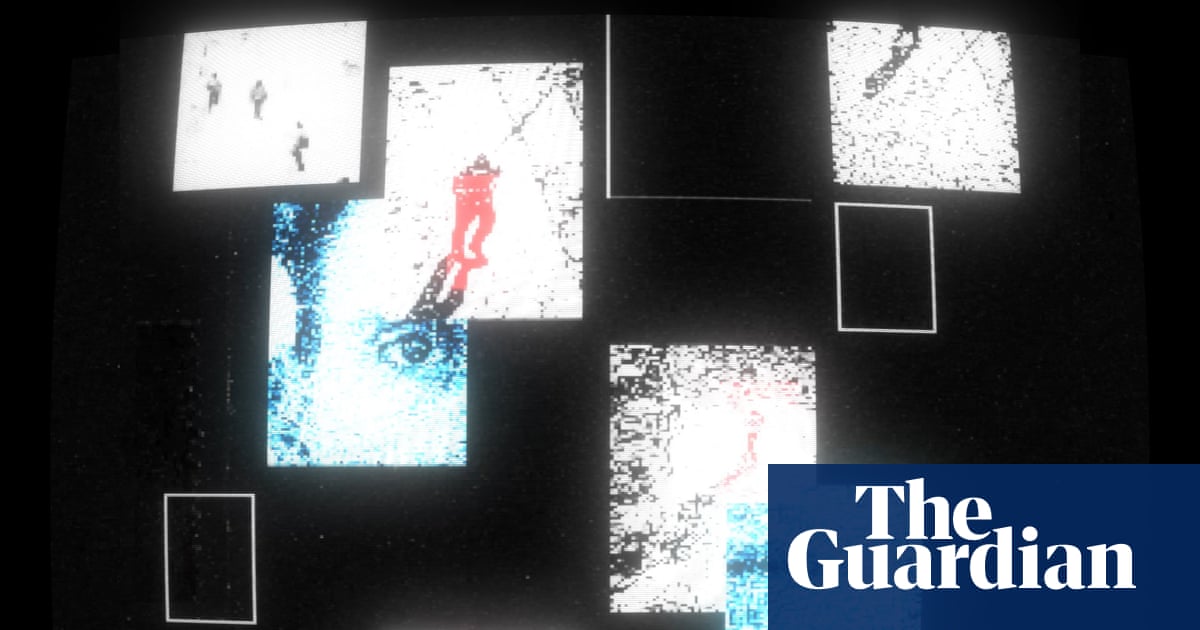
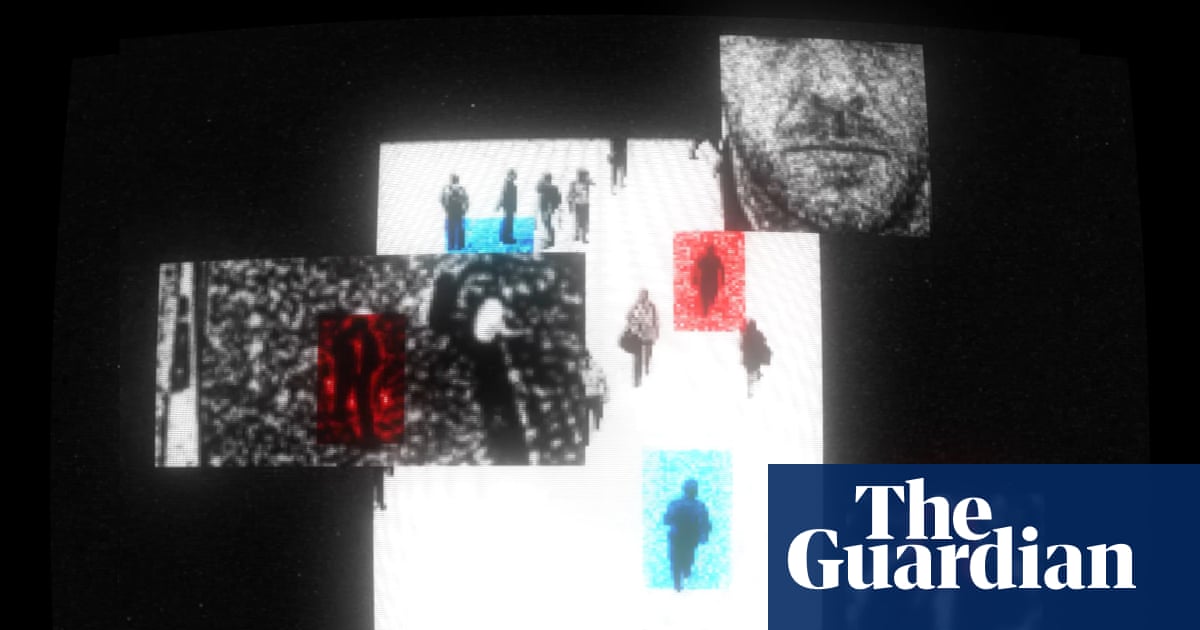
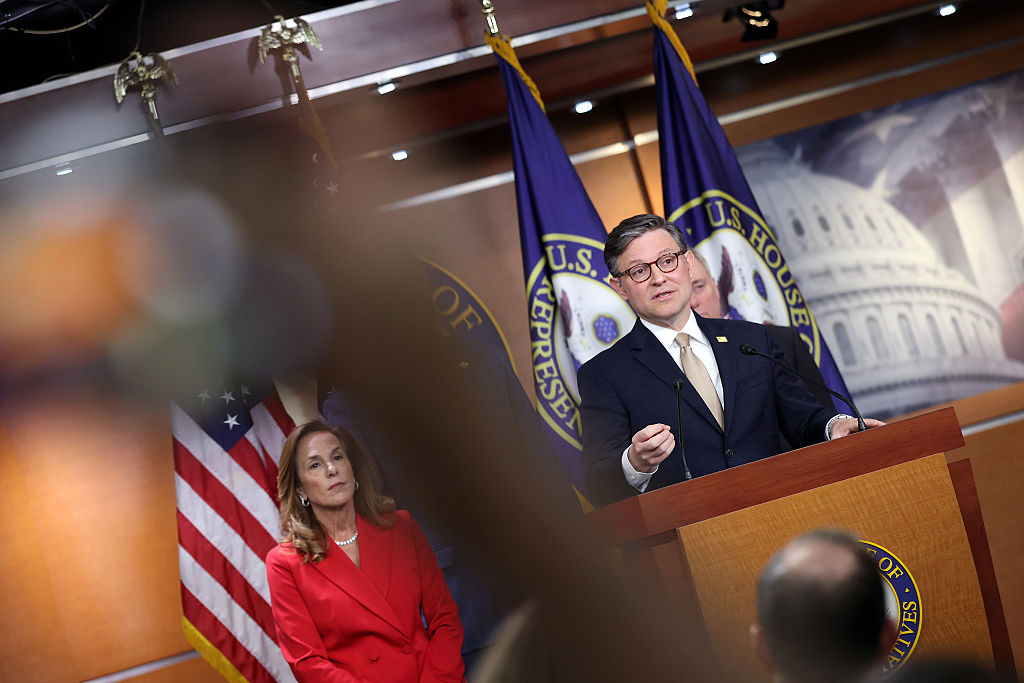
The National Portrait Gallery is Jared Soares's favorite museum. It's just a few Metro stops away from the photographer's home in Northeast DC, and he says he's visited dozens of times to admire the works from his favorite artists. But Soares's next visit will be different. The second floor of the gallery now features Soares's award-winning photograph, Misidentified by Artificial Intelligence: Alonzo and Carronne (2023).
As you know, Section 215 authorities are not interpreted in the same way that grand jury subpoena authorities are, and we are concerned that when Justice Department officials suggest that the two authorities are 'analogous' they provide the public with a false understanding of how surveillance is interpreted in practice.
The FBI produced a self-congratulatory report of the changes they've made since 9/11. It describes the FBI's new intelligence focus. It boasts that it has a functional computer system (which for the FBI is an accomplishment) and 10,200 SCI work stations. Oh, and it proclaims with joy that the FBI has had a 48% growth in surveillance teams and capacity since 9/11. Let us rejoice in the proliferation of domestic spying!
Data gathered from smartphones enables service providers to infer a wide range of personal information about their users, such as their traits, their personality, and their demographics. This personal information can be made available to third parties, such as advertisers, sometimes unbeknownst to the users. Leveraging location information, advertisers can serve ads micro-targeted to users based on the places they visited. Understanding the types of information that can be extracted from location data and implications in terms of user privacy is of critical importance,
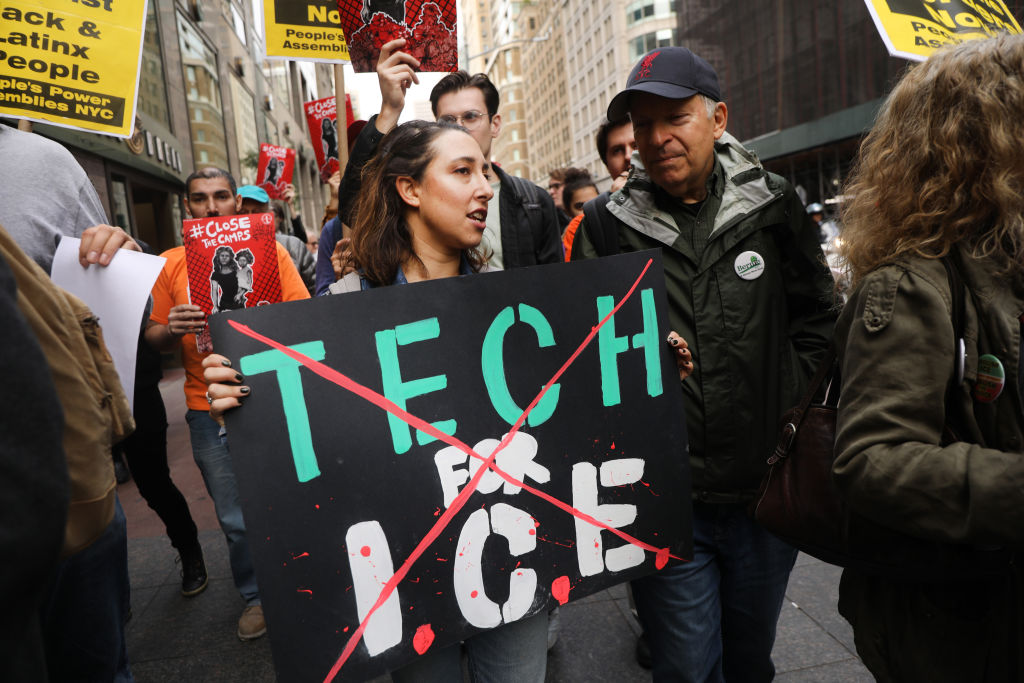
We're diving into these data breaches and more with our latest EFFector newsletter. Since 1990, EFFector has been your guide to understanding the intersection of technology, civil liberties, and the law. This latest issue tracks U.S. Immigration and Customs Enforcement's (ICE) surveillance spending spree, explains how hackers are countering ICE's surveillance, and invites you to our free livestream covering online age verification mandates.
The Cold War was largely an exercise in futility. Soviet spies surveilled American agents embedded in Russia; said American agents knew they were being stalked, recorded, and quietly threatened. Stateside, it was the same game of paranoia - and in the end, it's hard to say what actual fruit was borne of it. That irony is the one thing - maybe the only thing - that Ponies understands intimately.
As though exercising my corporeal form wasn't trial enough, now robots? Who in their right mind would want a walking, talking surveillance machine inside their home? The privacy invasion required for such robots to function goes far beyond your smart speaker listening into your conversations, your automatic pet feeder capturing footage, or your Roomba mapping the inside of your home and sharing it with Amazon.
Detectives arrested on Thursday the man they say allegedly followed his estranged girlfriend from South Carolina to Queens and shot her dead at her home last summer. According to police sources, 23-year-old Deovryion Ray was extradited to New York after previously being cuffed in his home state on an assault charge. He was subsequently brought to the 115th Precinct stationhouse in Jackson Heights, where he was ultimately charged with the murder of 21-year-old Dashanna Donovan.
Almost 20 years ago, Apple CEO Steve Jobs announced the iPhone as "an iPod, a phone, an internet communicator." The world swooned at the time because that one device was all those things, and more. Today it is our wallet, our identity, our social media, our likes, dislikes, fitness levels, bank accounts, as well as our personal, sexual, and political identity.
"There's interest across the board," Michael Kemper, MTA chief security officer, told THE CITY. "It's not only coming from the MTA, but from the business world, the AI business world, in working with us."
When ChatGPT burst onto the scene, much of academia reacted not with curiosity but with fear. Not fear of what artificial intelligence might enable students to learn, but fear of losing control over how learning has traditionally been policed. Almost immediately, professors declared generative AI "poison," warned that it would destroy critical thinking, and demanded outright bans across campuses, a reaction widely documented by Inside Higher Ed.
50 Blue Moon Ethan Hawke plays with campy brilliance and criminal combover the lyricist Lorenz Hart as he spirals into vinegary jilted despair after his split from Richard Rodgers in this latest collaboration with Richard Linklater. Read the full review. 49 Happyend Dysfunctional Happyend Teen romance and paranoid surveillance collide to dysfunctional effect in Neo Sora's beguiling debut feature set in an oppressive near-future Japan. Read the full review.
Only days remain until Zohran Mamdani ascends the throne of New York City, and nearly all his great opponents have given up. Andrew Cuomo, vanquished. Financier Bill Ackman, reduced to congratulations for the mayor-elect and even offers of support. Donald Trump, singing his praises after inviting him over to hang. Maybe the great socialist boogeyman isn't so scary after all.
It's the end of the year. That means it's time for us to celebrate the best cybersecurity stories we didn't publish. Since 2023, TechCrunch has looked back at the best stories across the board from the year in cybersecurity. If you're not familiar, the idea is simple. There are now dozens of journalists who cover cybersecurity in the English language. There are a lot of stories about cybersecurity, privacy, and surveillance that are published every week.
Sweeping surveillance, now found in doorbells, cars and a vast network of vehicle-tracking cameras, did eventually help track down the whereabouts of Claudio Neves Valente, the 48-year-old former Brown graduate student investigators believe was responsible for the Dec. 13 shooting and another killing two days later of an MIT professor in Brookline, Massachusetts.
Police used geotracking, cellphone data and surveillance cameras to locate Nick Reiner hours after his parents were found fatally stabbed Sunday morning in Brentwood. The suspect, who struggled with substance abuse and had argued with his parents at a holiday party, was arrested in South Los Angeles that night. It didn't take long for police to focus on Nick Reiner after his parents were found fatally stabbed in the master bedroom of their Brentwood home Sunday afternoon. The challenge became finding him. Reiner lived in Rob Reiner and Michele Singer Reiner's guesthouse but was not there when police arrived around 3:30 p.m. Prosecutors now allege he killed his parents sometime early Sunday.
Pasted on the wall next to the locked steel door that seals Laura Poitras's studio from visitors and intruders is a black poster depicting a PGP key that the filmmaker has used in the past to receive encrypted messages. It makes sense that this key-a sort of invitation to send her a secret message-is the only identifiable sign that Poitras edits her movies in this building;
Two people allegedly linked to China's infamous Salt Typhoon espionage hacking group seem to have previously received training through Cisco's prominent, long-running networking academy. Meanwhile, warnings are increasingly emerging from United States lawmakers in Congress that safeguards on expanded US wiretap powers have been failing, allowing US intelligence agencies to access more of Americans' data without adequate constraints. If you've been having trouble keeping track of all of the news and data coming out about infamous sex offender Jeffrey Epstein,
Pancreatic cancer is not a disease that reveals itself easily, at least not initially. The pancreas is tucked deep in the abdomen, behind the stomach, so tumours aren't easy to see or feel. A person might experience gastrointestinal distress, nausea, back pain, weight loss or fatigue - all symptoms that can be caused by a variety of conditions, most of which are much more common than pancreatic cancer.
When concerned residents of the New Orleans metro area stepped out into the streets with their whistles and phone cameras over the weekend, ready to protest and document the Trump administration's unwelcome assault on immigrant communities, they faced both widespread digital surveillance by state and federal authorities and a vague state law that makes hindering federal immigration enforcement a crime punishable by up to one year of hard labor in a Louisiana prison.