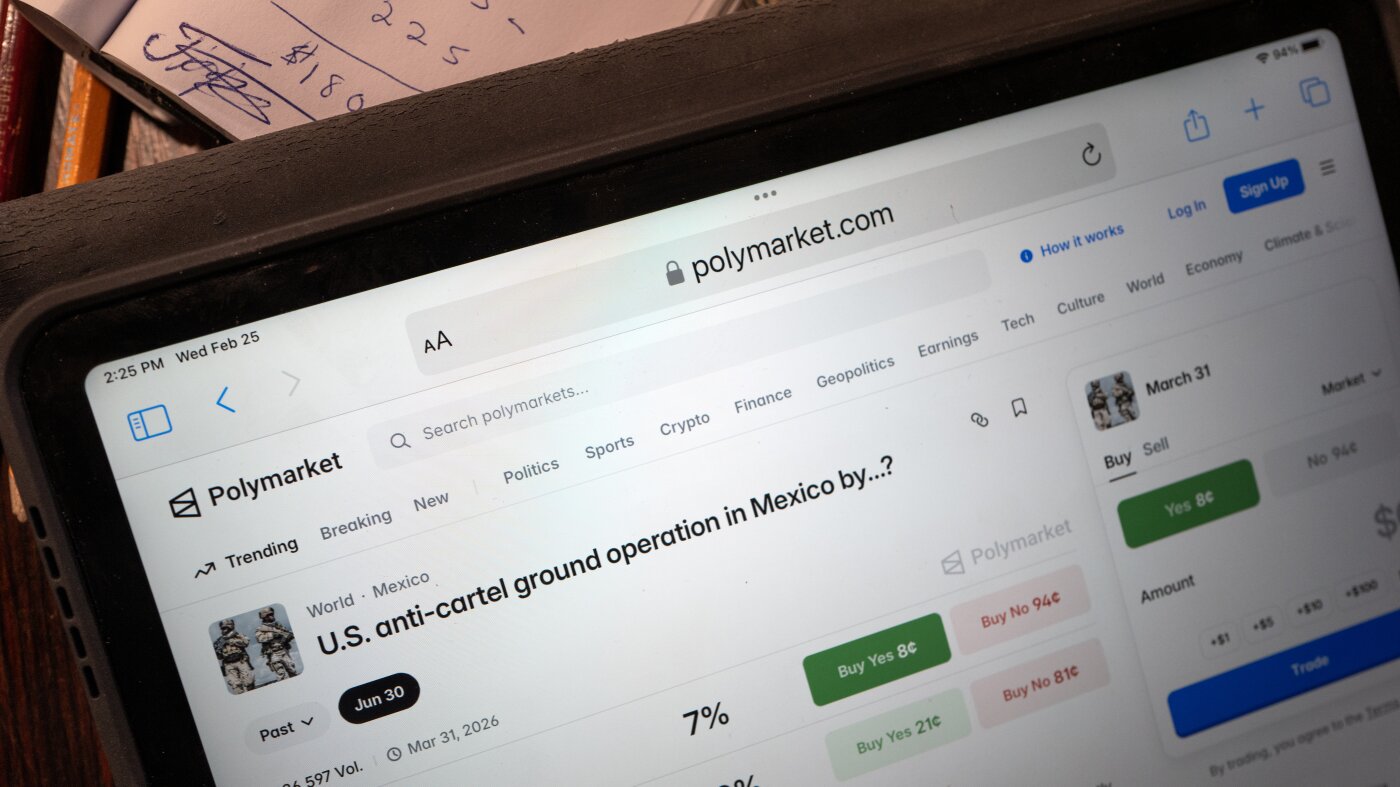
"An account on the prediction market Polymarket with the username "Magamyman," made more than $500,000 by predicting the strike on Iran last Saturday that killed the Ayatollah Ali Khamenei. This comes after an unnamed trader made hundreds of thousands predicting the ouster of Venezuelan leader Nicolas Maduro in January, just hours before the U.S. raid that captured him."
"Senate Democrats have introduced a bill to ban members of Congress and senior administration officials—including the president and vice president—from putting money on specific events in these markets. Rep. Mike Levin, a Democrat from California, wrote on X, "Prediction markets cannot be a vehicle for profiting off advance knowledge of military action.""
"I have been with families in refugee camps in Ethiopia, Kosovo, and Iraq, who had to run from their homes with just the clothes they wore, and a few family photos if they had time to grab them, as soldiers rushed into their towns. Those families risked their lives to leave, betting on an unknown future."
Prediction markets enable individuals to place bets on virtually any outcome, from sports to geopolitical events including military actions and political transitions. Recent cases show traders profiting significantly from predicting military strikes and political upheavals. Congress has proposed legislation to prohibit members and senior officials from participating in these markets, recognizing the potential for insider trading on military actions. The ethical dimension centers on whether betting on conflict and displacement is morally acceptable, particularly given the human cost of such events. Journalists who have witnessed refugee crises and wartime suffering question the appropriateness of treating geopolitical violence as a commodity for financial gain.
#prediction-markets #geopolitical-betting #insider-trading-concerns #military-action-profiteering #ethics-of-speculation
Read at www.npr.org
Unable to calculate read time
Collection
[
|
...
]