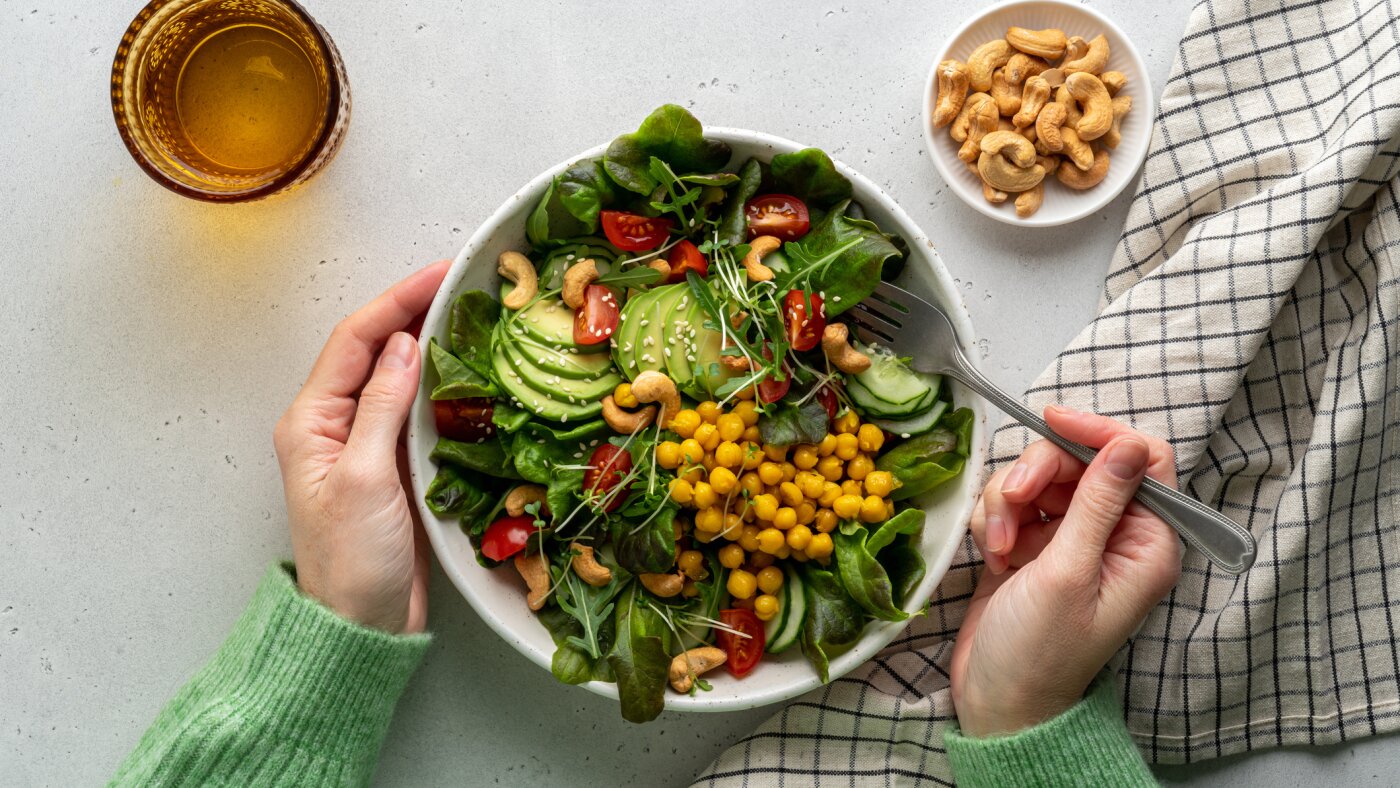
"“The truth of the matter is, I kind of appreciate the trend because generally, fiber is just not really a sexy nutrient that people are paying attention to and basically, no one eats enough fiber,” Holscher says. Yes, most people need more fiber It's recommended that people eat 14 grams of fiber for every 1,000 calories which works out to roughly 25 to 38 grams of fiber each day, depending on your gender. But only about 1 in 10 Americans meets those goals. The average U.S. adult only gets about 10 to 15 grams a day."
"“Consuming adequate fiber helps reduce your risk of developing obesity, reduces your risk of cardiovascular disease, type two diabetes, lowers your risk for certain types of cancer, especially colorectal cancer,” Holscher says. “So there are just a range of benefits, from cardiometabolic health to gastrointestinal health.” Getting enough fiber can also help manage blood sugar levels and yes, research has indeed found it lowers the risk of dying earlier."
"Fiber is kind of like the Peter Parker of food nutrients. For a long time, most people ignored it as kind of boring. But it's really a superhero when it comes to good health, and now, it's finally having its moment. Social media has fully embraced the concept of “fibermaxxing” or boosting the amount of fiber in our diets. On Tiktok, you'll find loads of videos with tips on how to maximize the fiber in meals and why it matters for so many aspects of health from improving digestion to reducing the risk of dying prematurely."
Fiber is a nutrient that many people previously ignored but is now gaining attention through “fibermaxxing” trends. Social media videos promote increasing dietary fiber to support digestion and reduce premature death risk. Health professionals emphasize that most people do not meet recommended targets of about 14 grams of fiber per 1,000 calories, which typically equals roughly 25 to 38 grams daily depending on gender. Only about 1 in 10 Americans reach these goals, while average intake is about 10 to 15 grams per day. Adequate fiber intake is linked to lower risks of obesity, cardiovascular disease, type 2 diabetes, and certain cancers, especially colorectal cancer, and it supports cardiometabolic and gastrointestinal health. Fiber also helps manage blood sugar levels.
Read at www.npr.org
Unable to calculate read time
Collection
[
|
...
]