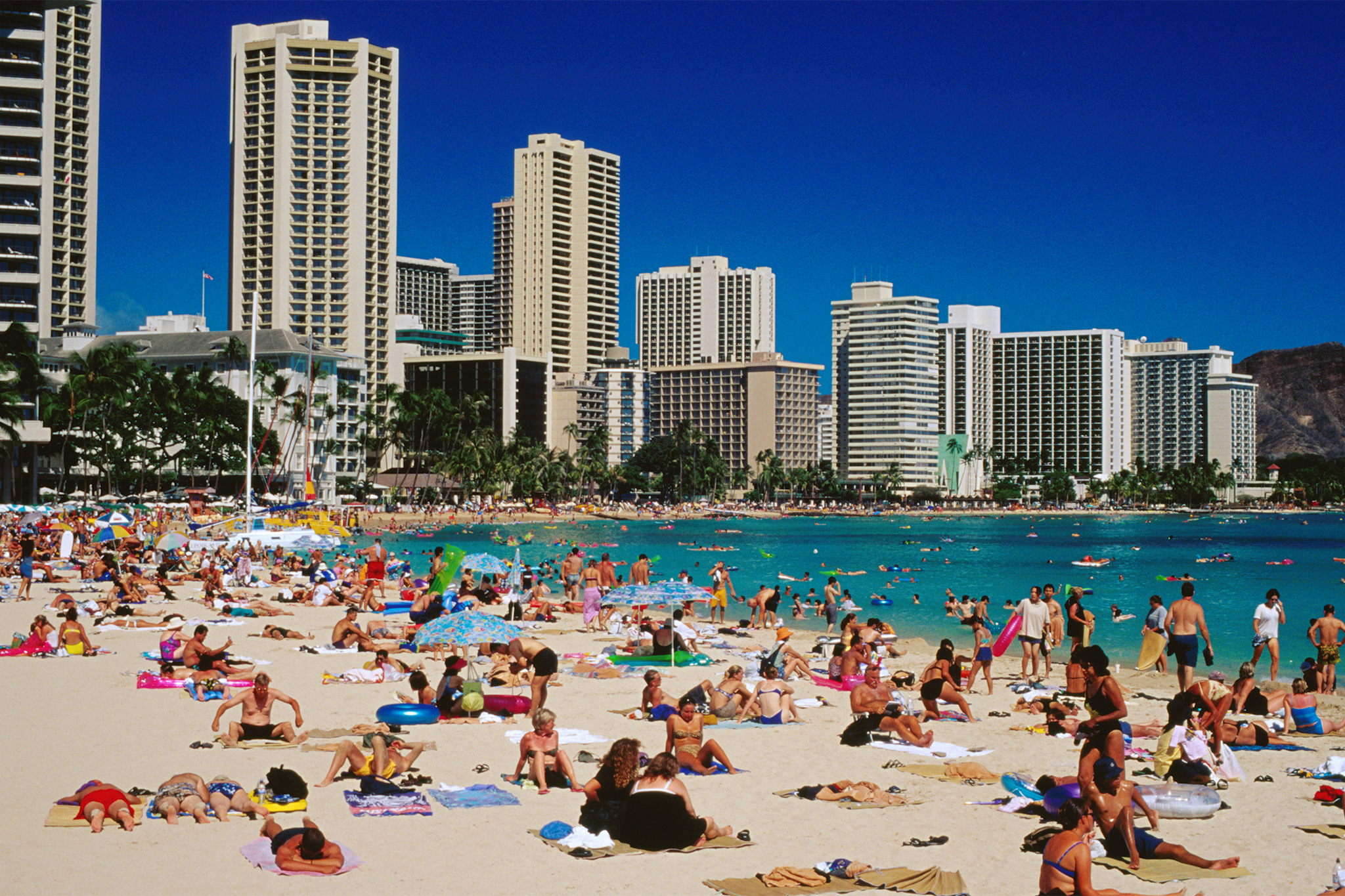
"There's still been growth in visitor numbers but the per person in real inflation-adjusted terms, spending was at its highest actually in 1988, so it means tourists now are spending less than they did individually in 1988. A healthy economy in the US averages about 2% growth over long periods of time, but Hawaii is averaging much lower, at around 0.6%."
"You need higher- and higher-value jobs and activities being done here. The jobs that tend to offer higher wages are in very large US cities and they're particularly in tech or biotech. The main activity here is obviously tourism, and it hasn't had that kind of income growth that other places have had."
"We are reliant on two major industries, which is tourism and the military. We have experience during COVID that reliance on tourism can hurt our economy. So diversifying our economy really means to weather the storm when it comes to potential challenges in the future."
Hawaii faces significant economic challenges as thousands of residents leave for the continental U.S. seeking better employment opportunities and affordable housing. While high cost of living is often cited, the core issue is insufficient high-paying jobs outside tourism. Hawaii's economic growth averages 0.6% compared to the healthy U.S. average of 2%. Tourism spending per visitor has declined since 1988 despite increased visitor numbers. The state needs higher-value jobs in sectors like technology and biotech. Hawaii's heavy reliance on tourism and military industries creates economic vulnerability, as demonstrated during COVID-19. Economic diversification is essential to retain residents and build long-term stability.
Read at SFGATE
Unable to calculate read time
Collection
[
|
...
]