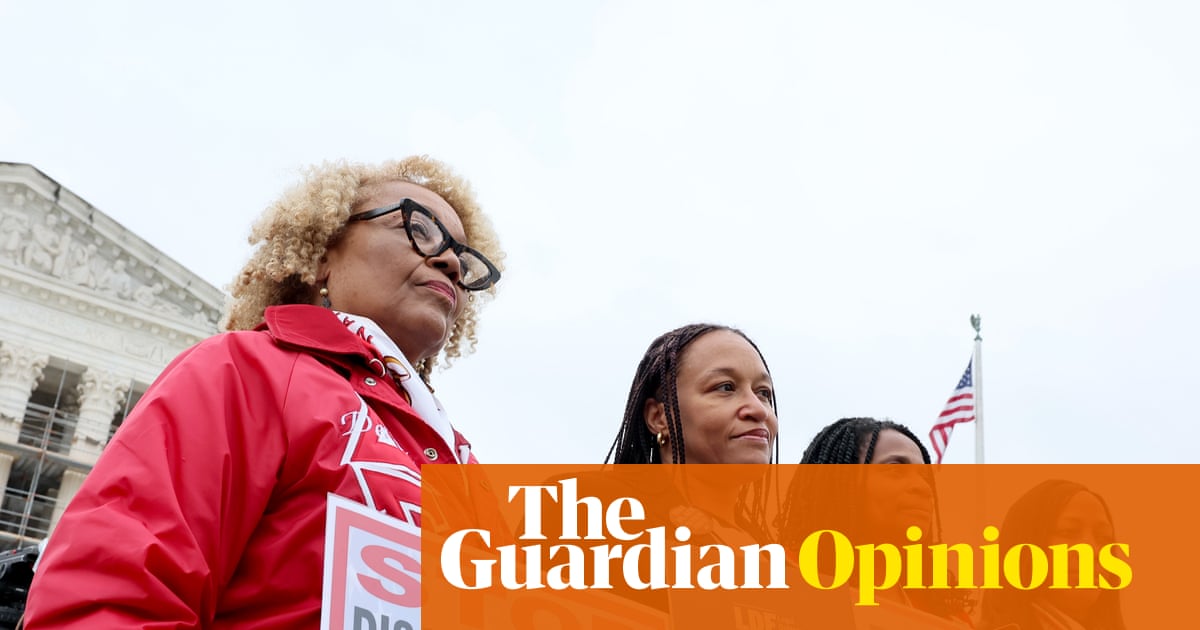
The upcoming Supreme Court case Louisiana v Callais will address whether the Voting Rights Act can mandate states to create electoral maps that allow Black voters to elect representatives. This challenge reflects a broader trend of undermining Black voter power, reminiscent of historical efforts to suppress minority voices. The Voting Rights Act of 1965 was crucial in combating discriminatory practices and enhancing Black voter registration and representation. However, the 2013 Supreme Court decision in Shelby County v Holder weakened these protections, leading to increased voter suppression in Black communities.
"The forthcoming decision in Louisiana v Callais will not just be another supreme court ruling in a long line of voting cases. This time the issue is whether the Voting Rights Act (VRA) can still require states to draw electoral maps that give Black voters a meaningful chance to elect representatives."
"The Voting Rights Act of 1965 became the most powerful civil rights law ever enacted. It stopped discriminatory laws before they could take effect. It protected communities that had already paid too high a price for access to the ballot."
"When the supreme court gutted the heart of the Voting Rights Act in Shelby County v Holder in 2013, it handed states with long records of discrimination a green light. It led to the closure of polling places, overwhelmingly in Black communities, and voter ID requirements tailored to the kind that African Americans did not possess."
Read at www.theguardian.com
Unable to calculate read time
Collection
[
|
...
]