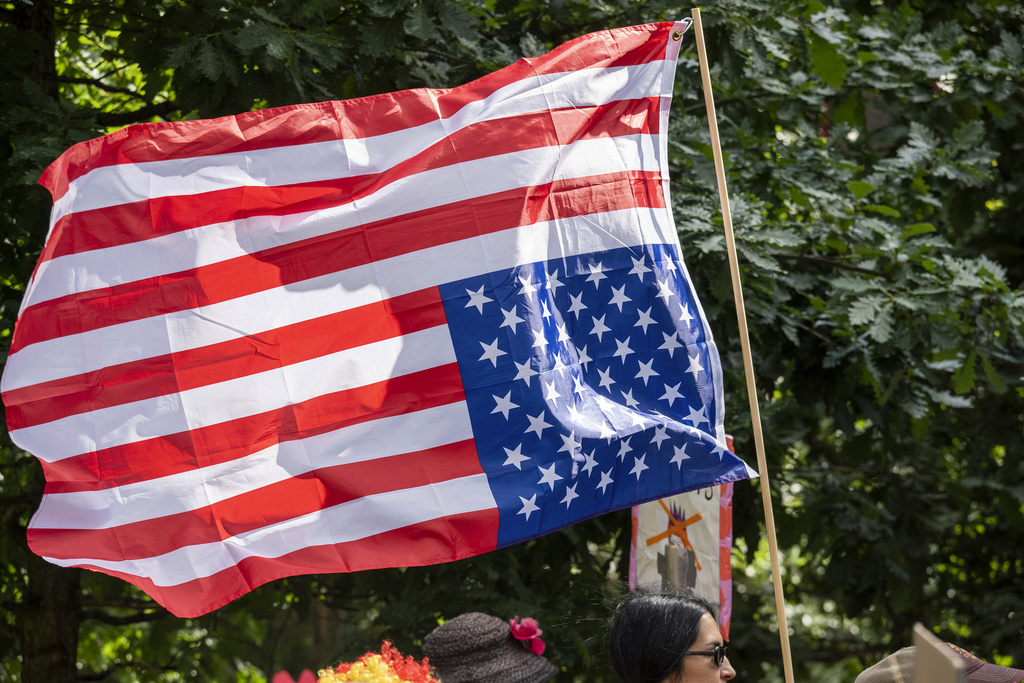
"Last week, the United States extracted a foreign leader by military force without congressional authorization, federal agents shot a protester and were immediately defended before investigation, and the president threatened additional unilateral military action. Taken together, they describe a presidency operating on the assumption that no one will intervene. That expectation is the point. The Venezuela operation raised clear constitutional questions about war powers, but its significance goes beyond process."
"Acting unilaterally, extracting foreign leaders by force, and threatening further military action without congressional involvement replaces that framework with something more destabilizing. It signals that force, rather than legitimacy, is becoming the organizing principle. That shift undermines U.S. credibility with allies and accelerates a global environment in which restraint is treated as weakness and unpredictability becomes policy. This did not begin with President Donald Trump. Executive power has been expanding for decades with bipartisan acquiescence."
"Obama used drones and faced criticism but operated within executive branch legal frameworks. Trump extracts foreign leaders and announces it as fait accompli. Presidents of both parties have tested limits, bypassed Congress, and relied on creative legal theories to act unilaterally. What distinguishes the current moment is not the impulse to push boundaries, but the scale, speed, and brazenness with which those accumulated precedents are being exploited."
The United States recently conducted a military extraction of a foreign leader without congressional authorization, while federal agents shot a protester and received immediate defense before investigation. The president also threatened additional unilateral military action. These actions reflect a pattern of governance that assumes no effective external intervention. The longstanding norm that power is constrained by law, alliances, and institutional consent is being replaced by a reliance on force as an organizing principle. The shift undermines U.S. credibility with allies, encourages treating restraint as weakness, and builds on decades of bipartisan expansion of executive authority.
Read at www.mediaite.com
Unable to calculate read time
Collection
[
|
...
]