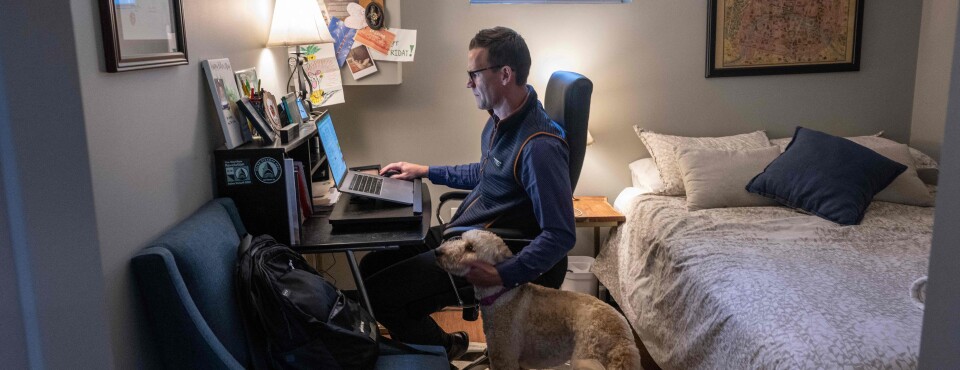
Federal judges are increasingly receptive to remote work as a disability accommodation and skeptical of categorical in-person attendance rules. Courts are analyzing telework requests under Americans with Disabilities Act frameworks, focusing on whether remote work would negate an essential job function. Judicial decisions since January show reduced deference to blanket office-presence policies and greater consideration of telework feasibility. Outcomes were mixed, but the trend reflects lessons from widespread Covid-era telework. Disabilities prompting remote requests range widely. Employers and major organizations pushing returns to office should assess work-from-home requests individually and consider telework among regularly sought accommodation options.
"Judges are reviewing remote-work bias claims more like other American with Disabilities Act accommodation cases, a trend likely to continue into next year. They're no longer giving strong deference to employment policies setting physical presence in the office as a core requirement, as was standard prior to the pandemic, attorneys say. Courts instead expanded their embrace of the feasibility of working remotely, focusing on whether telework would eliminate an essential job function."
"With remote work among the most regularly sought forms of disability accommodation, employers are wise to treat work-from-home requests by disabled workers with individual attention, the attorneys say. "Remote work is what I'm hearing about" most often, Syracuse University College of Law's Katherine A. Macfarlane said. Yet some employers remain staunch in their resistance to telework as an accommodation, thinking disabled workers are getting something they don't deserve, she said."
Read at Bloomberglaw
Unable to calculate read time
Collection
[
|
...
]