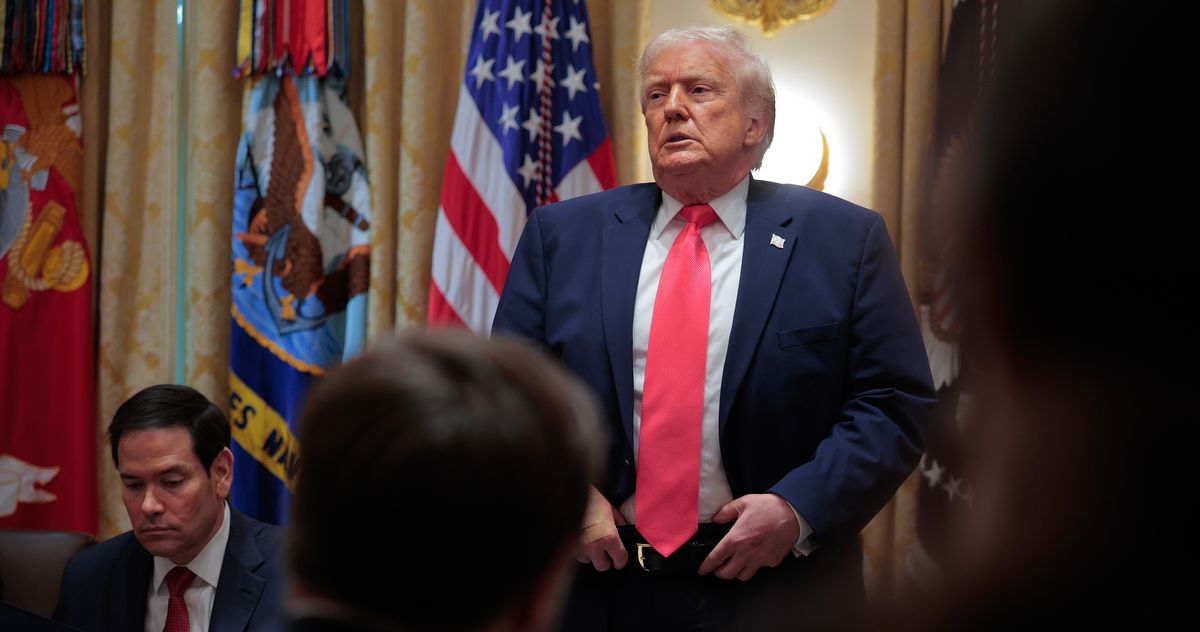
"Due to partisan polarization in the 21st century, a candidate (say with the initials DJT) can plumb unknown depths of extremism without losing the party faithful. Then, all he needs to do is convince a sufficient number of unaligned voters that he's the lesser of two evils. It doesn't always work, but it has worked often enough to dramatically change the tone of political discourse and make policies previously thought to be far beyond the pale entirely enactable, given the right power configurations."
"As a result, in the purple states and districts that are host to the vast majority of the competitive races that will decide which party has Senate and House majorities and how big those majorities will be, it is independents' approval of the president and their perception of the economy that can be determinative. ... In the Gallup poll for the month of November released late Thursday, Trump's overall approval rating dropped another 5 points to 36 percent (60 percent disapproved)."
Partisan polarization enables candidates to embrace extreme positions while retaining core party support, making persuasion of unaligned voters decisive. The polarize, mobilize, demonize, then win approach depends on a relatively neutral mindset among independents. Swing voters are vastly overrepresented in purple states and districts, so independents' approval of the president and their perception of the economy can determine which party controls Senate and House majorities. Gallup's November poll shows overall presidential approval at 36 percent (60 percent disapprove) and independent approval at 25 percent (68 percent disapprove), a 14-point decline from early tenure. Such low independent support threatens the strategy's effectiveness and could shift competitive outcomes.
Read at Intelligencer
Unable to calculate read time
Collection
[
|
...
]