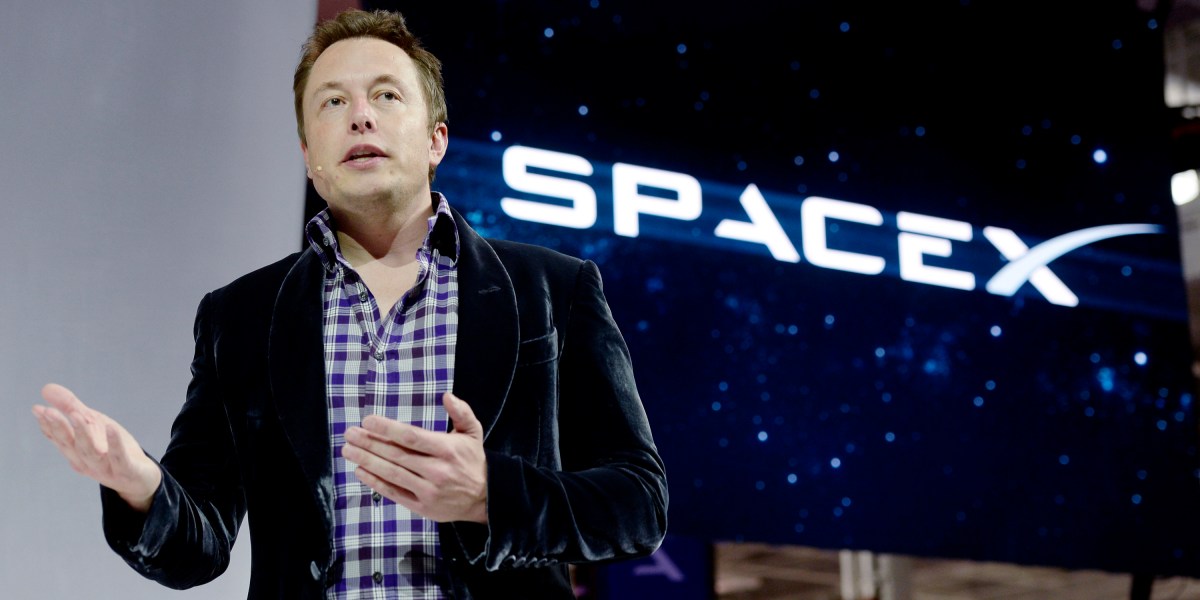
SpaceX’s S-1 filing for going public provides visibility into 2025 revenue of $18.67 billion and losses nearing $5 billion, along with a pay package tied in part to establishing a minimum-one-million-citizen colony on Mars. The filing still lacks granular subscription information, including retention or churn metrics, even though Starlink drives much of the business and shows very high adjusted EBITDA margins of 63%. With 10.3 million Starlink subscribers and expansion into lower-priced international tiers, the absence of cohort retention data prevents investors from distinguishing durable growth from attrition. The filing also does not break out the cost of each Falcon 9 launch, leaving core launch unit economics unclear. AI unit economics details are also limited relative to the company’s AI positioning.
"Most major subscription businesses that have gone public ( T-Mobile, AT&T, Spotify, Duolingo, Peloton, Chewy) disclose retention or churn metrics, whereas SpaceX does not. With 10.3 million [Starlink] subscribers... and aggressive international expansion into lower-priced tiers, investors cannot decompose whether headline subscriber growth reflects durable cohort retention or is masking attrition behind elevated gross adds... This is among the most important metrics for modeling subscriber economics, and its absence is conspicuous."
"Granda also notes that there's no delineation of the cost of each Falcon 9 launch and that, while clearly the reusability of SpaceX's rockets has provided tailwinds, "the core unit economics of the most prolific launch vehicle in history remain hidden.""
"So, when SpaceX finally and officially filed to go public last week, it was momentous. At long last, there was visibility: We know the company's 2025 revenue was $18.67 billion, that its losses are also up to nearly $5 billion, and that Elon Musk's pay package is partially linked to establishing a minimum-one-million-citizen colony on Mars."
Read at Fortune
Unable to calculate read time
Collection
[
|
...
]