#spacex
#spacex
[ follow ]
#ipo #starlink #starship #elon-musk #starship-v3 #corporate-governance #valuation #satellite-internet
#ipo

Venture
fromFortune
1 day agoSpaceX's $80 billion IPO has a catch: 78% of the money is already spoken for | Fortune
SpaceX’s IPO is expected to raise $80B+, but most proceeds are already committed to third parties, while AI growth plans require massive ongoing capital expenditures.
Venture
fromThe Motley Fool
5 days agoSpaceX Is Going Public: Here's the 1 Thing the Company Must Get Right to Justify a $1.5 Trillion Valuation | The Motley Fool
SpaceX’s S-1 shows three segments—Space, Connectivity, and AI—where only Connectivity is currently profitable, while Space and AI remain loss-making or uncertain.
Venture
fromThe Motley Fool
5 days agoSpaceX Is Going Public: Here's the 1 Thing the Company Must Get Right to Justify a $1.5 Trillion Valuation | The Motley Fool
SpaceX’s S-1 shows three segments—Space, Connectivity, and AI—where only Connectivity is currently profitable, while Space and AI remain loss-making or uncertain.
from24/7 Wall St.
1 day agoTwo Things SpaceX Just Admitted Ahead of Its IPO That Wall Street Doesn't Want You to Read
Our reusable vehicles will reenter Earth's atmosphere and fly over populated land for extended periods, which carries inherent risks to populations in the event of failure, such as structural breakup, loss of control, or debris dispersal.
Venture
fromfuturism.com
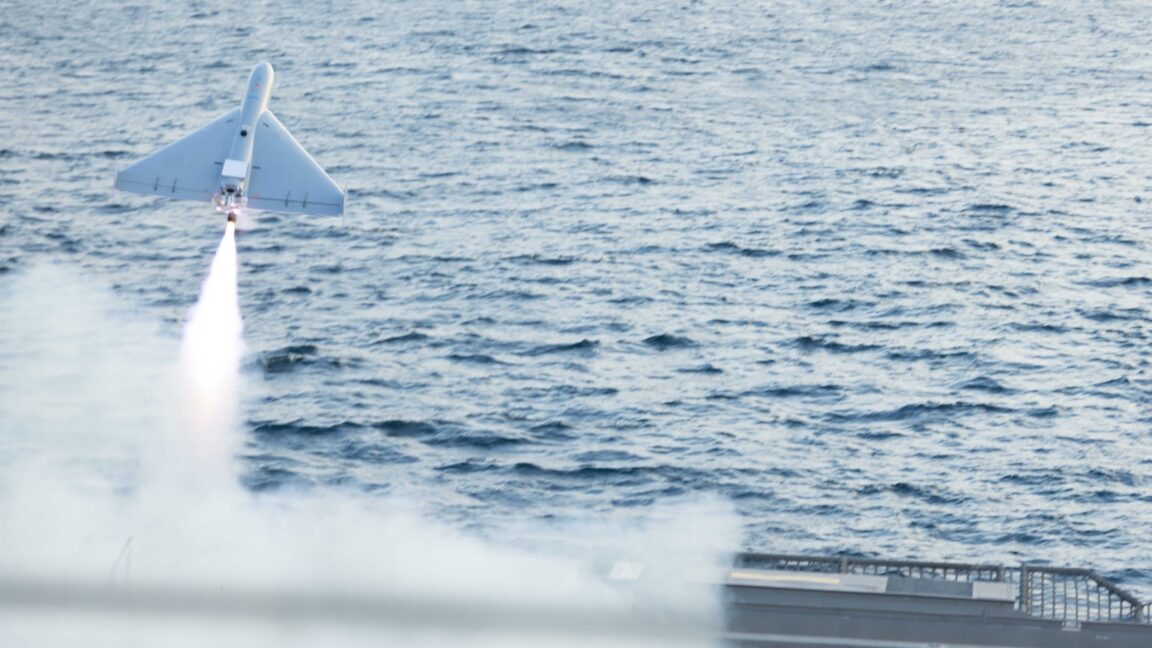
2 days agoElon Musk Furious at Starlink Being Used for American Suicide Drones
SpaceX has established itself as an influential contractor for the US military, allowing the Pentagon access a proprietary intelligence-based satellite network dubbed Starshield. The related network of Starlink broadband satellite services has also played a major role in ongoing military conflict, with Ukrainian soldiers making use of thousands of Starlink terminals to bypass internet blackouts amid the country's war with Russia. But who gets to use which network, and what SpaceX is getting out of the agreement, remains a hotly contested subject.
Silicon Valley


#starship


Science
fromFortune
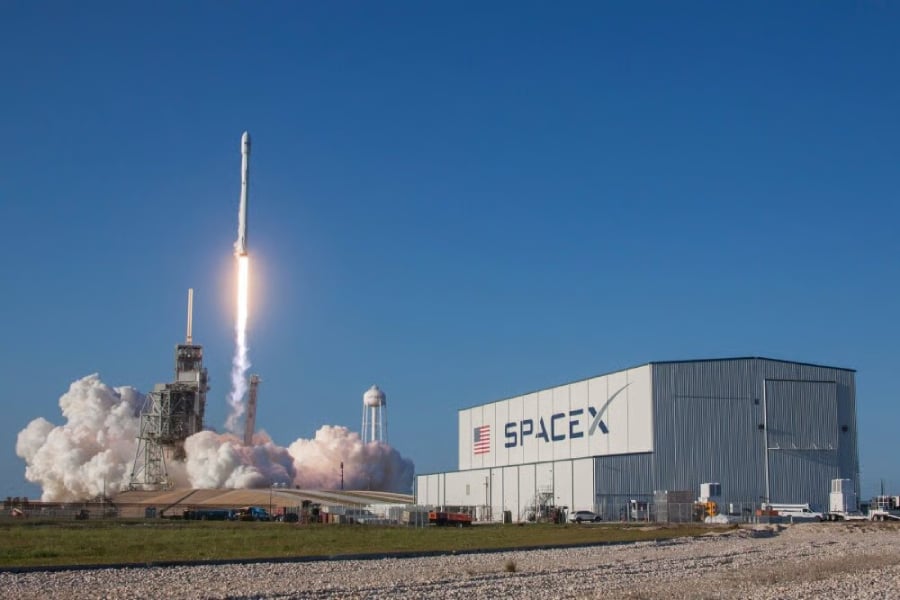
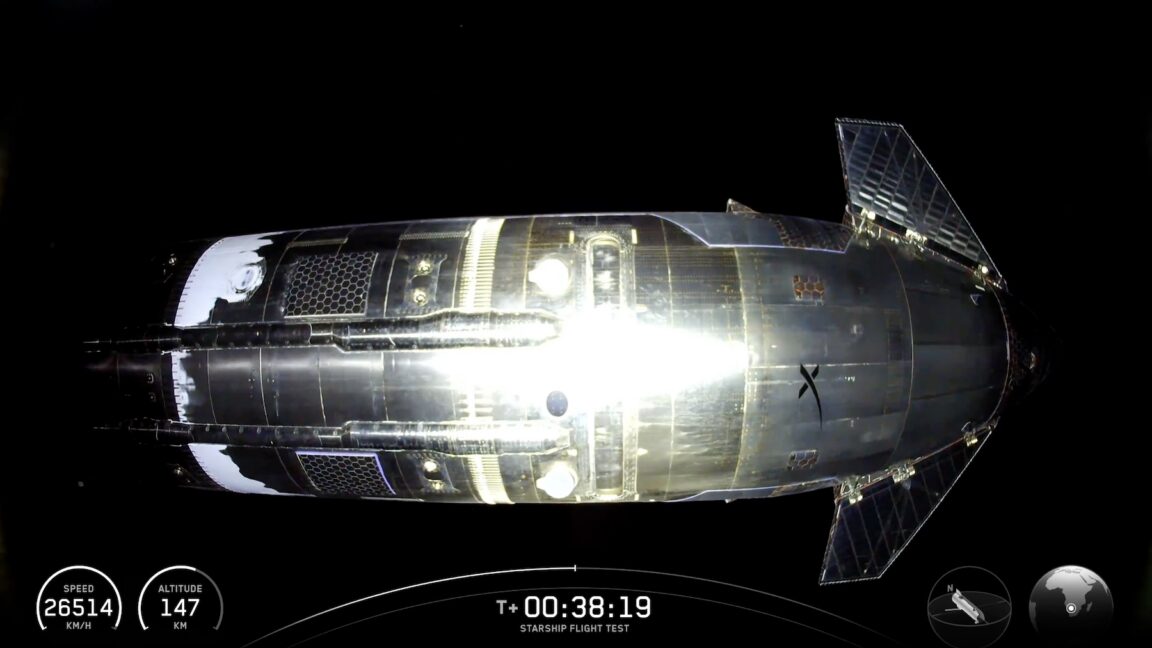
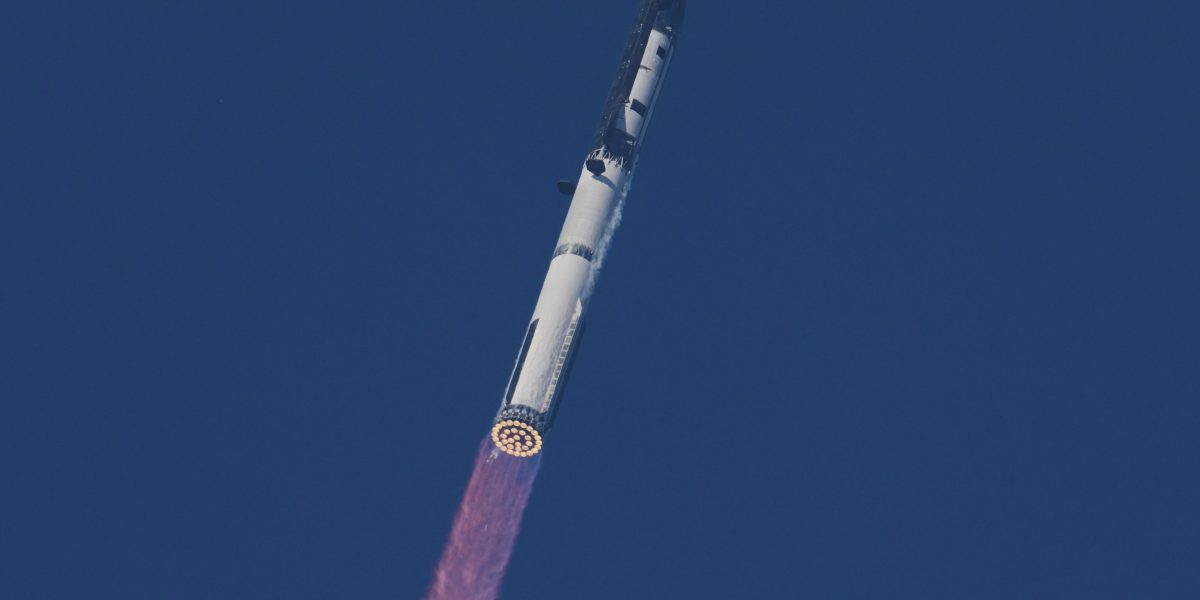
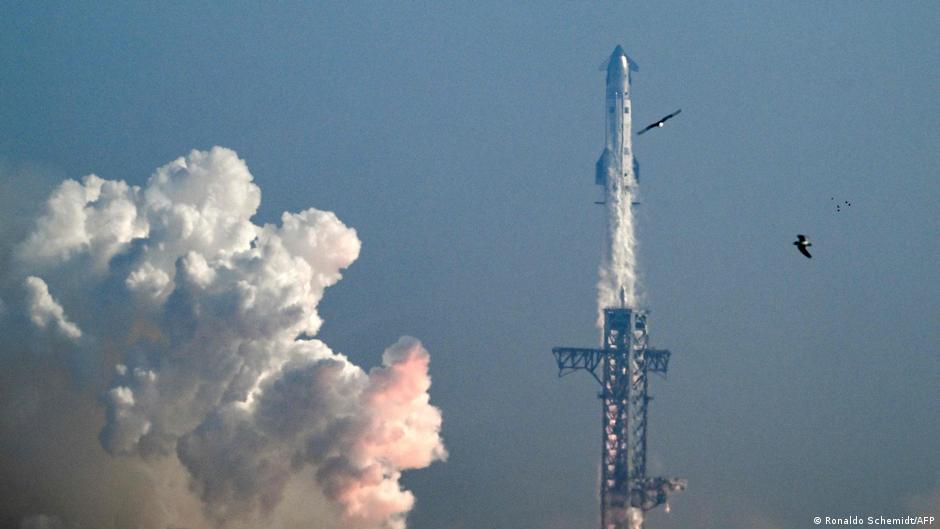
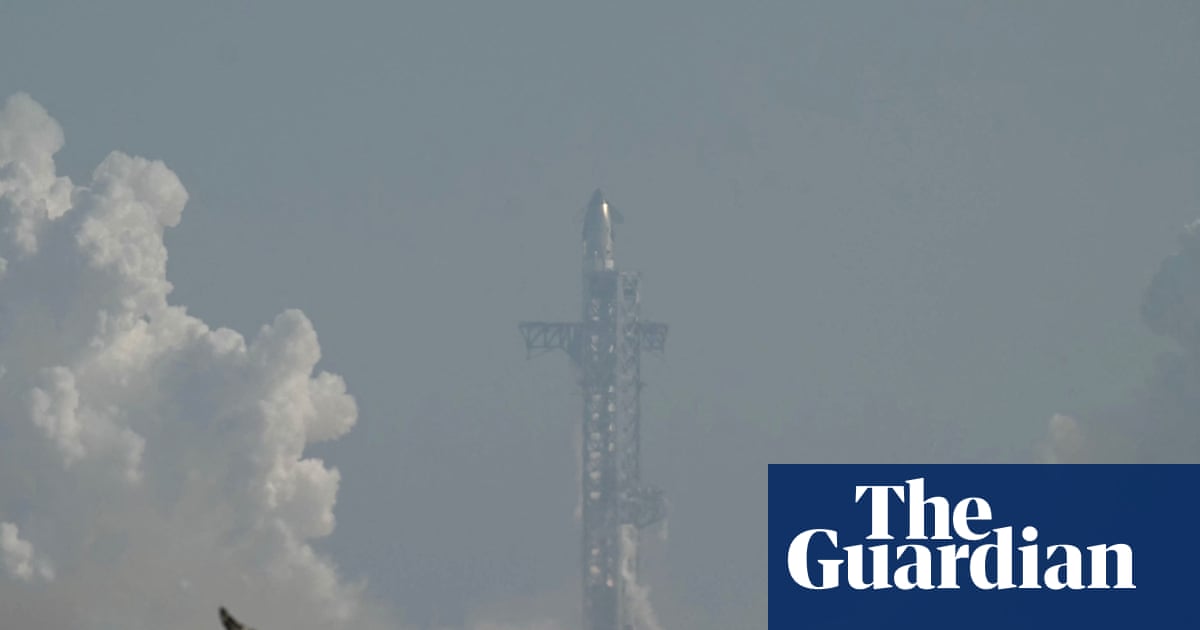
6 days agoSpaceX's third-generation Starship, which NASA may use to put astronauts on the moon, makes debut in test flight ahead of blockbuster IPO | Fortune
A upgraded Starship V3 launched from Texas, released mock Starlink satellites, reached the Indian Ocean, and ended in controlled impact flames despite engine trouble.
#elon-musk

Venture
from24/7 Wall St.
1 week agoSpaceX Just Told the SEC What Could Crash Its Stock Overnight, and It Has Nothing to Do With Rockets
Musk’s actions and statements, including political involvement, are disclosed as a material risk that can affect SpaceX’s business, relationships, regulators, and stock price.
Venture
from24/7 Wall St.
1 week agoSpaceX Just Told the SEC What Could Crash Its Stock Overnight, and It Has Nothing to Do With Rockets
Musk’s actions and statements, including political involvement, are disclosed as a material risk that can affect SpaceX’s business, relationships, regulators, and stock price.
fromTESLARATI
3 days agoNASA just gave SpaceX more crew missions because Boeing can't certify
NASA has filed a procurement notice announcing its intent to add six post-certification missions to SpaceX's existing Commercial Crew Transportation Capability contract. The agency said it would order up to three of those missions immediately upon adding them to the contract, with the remaining three available as needed through the end of the International Space Station's planned operations in 2030.
Science
Venture
fromFortune
4 days agoSpaceX stock is about to join this growing constellation of public companies building a space-based economy | Fortune
SpaceX dominates launches and Starlink, but publicly traded companies span rockets, satellites, communications, imagery, and space defense across the expanding space economy.
#starship-v3
Venture
fromFortune
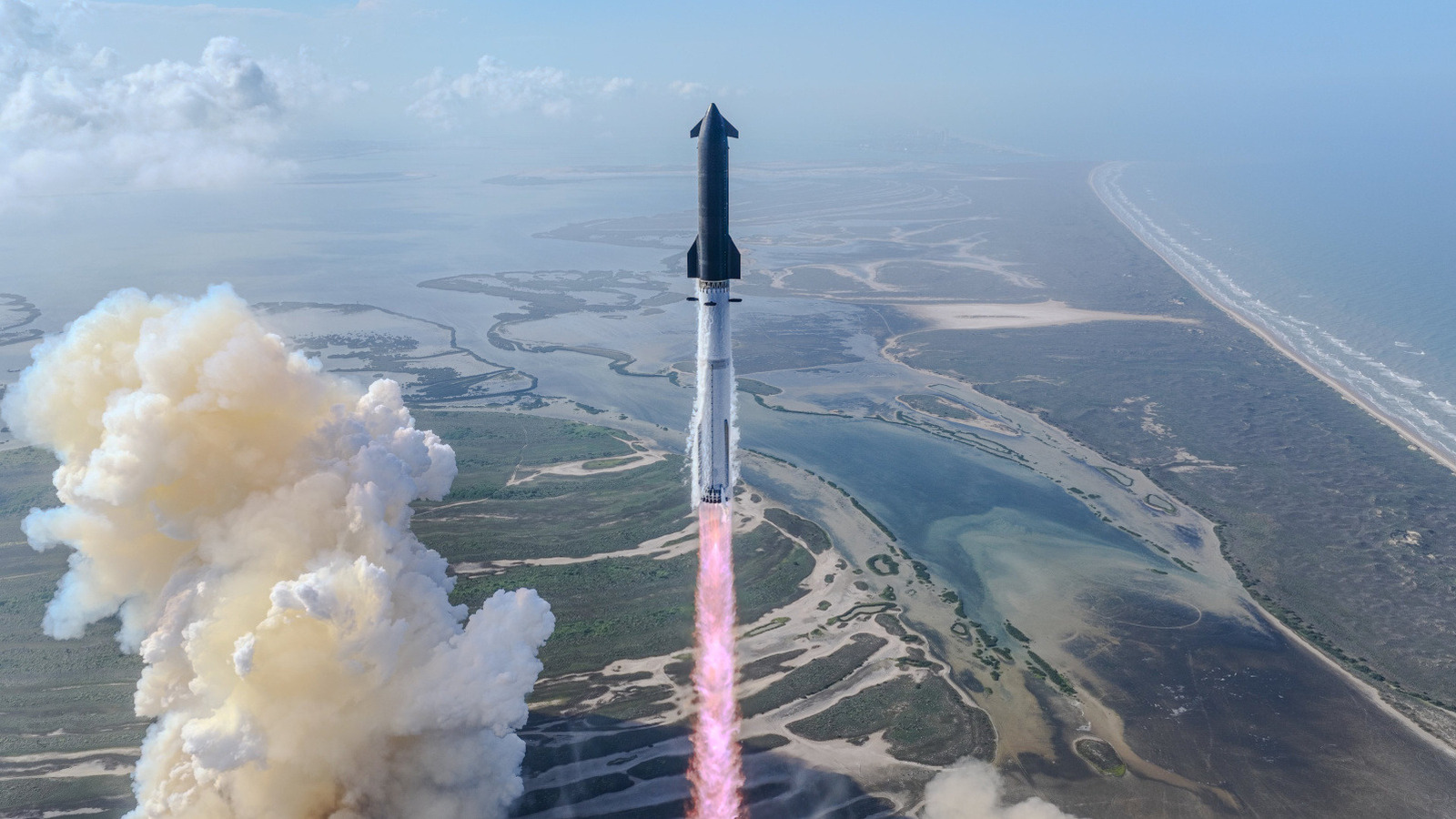
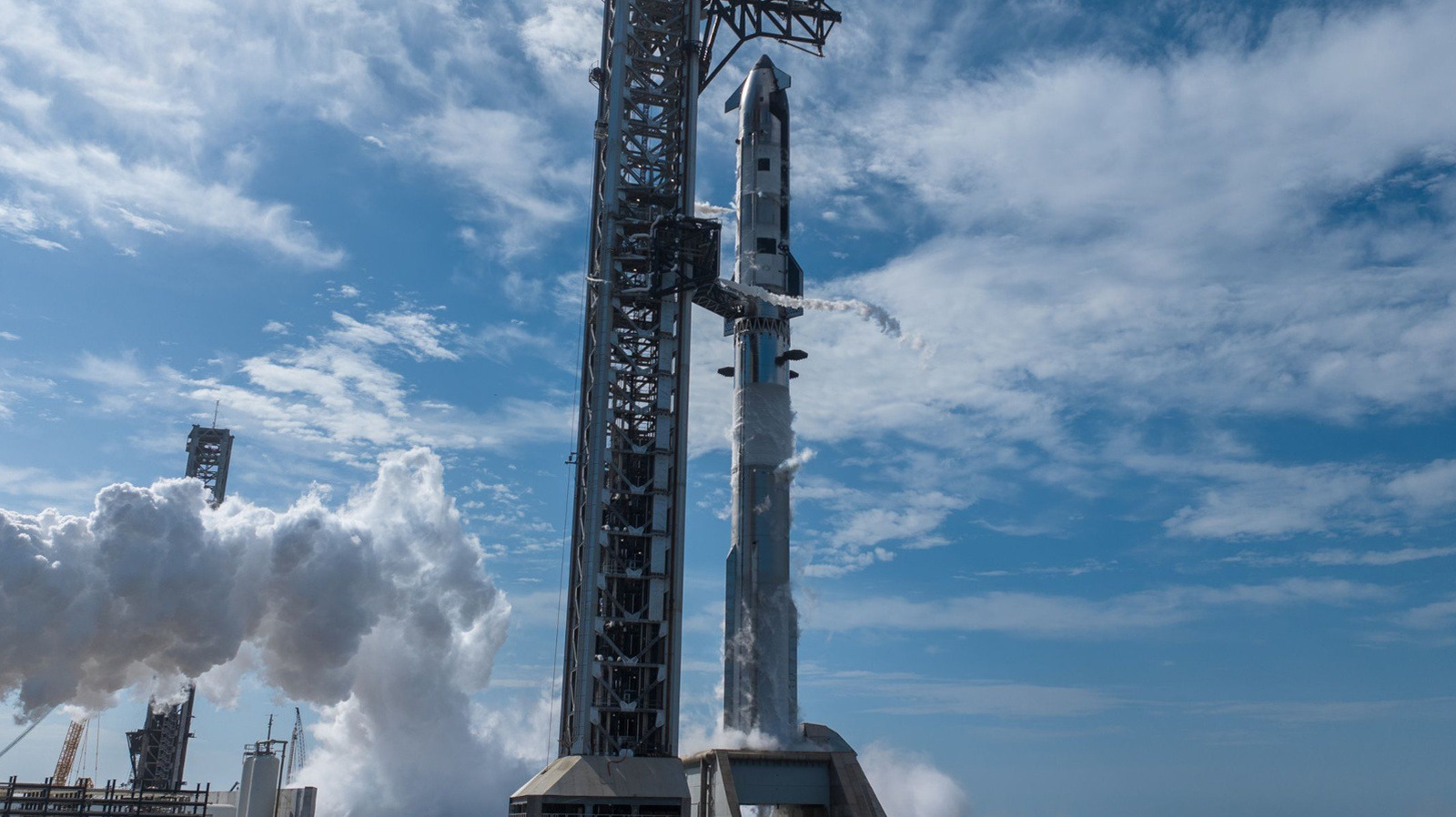
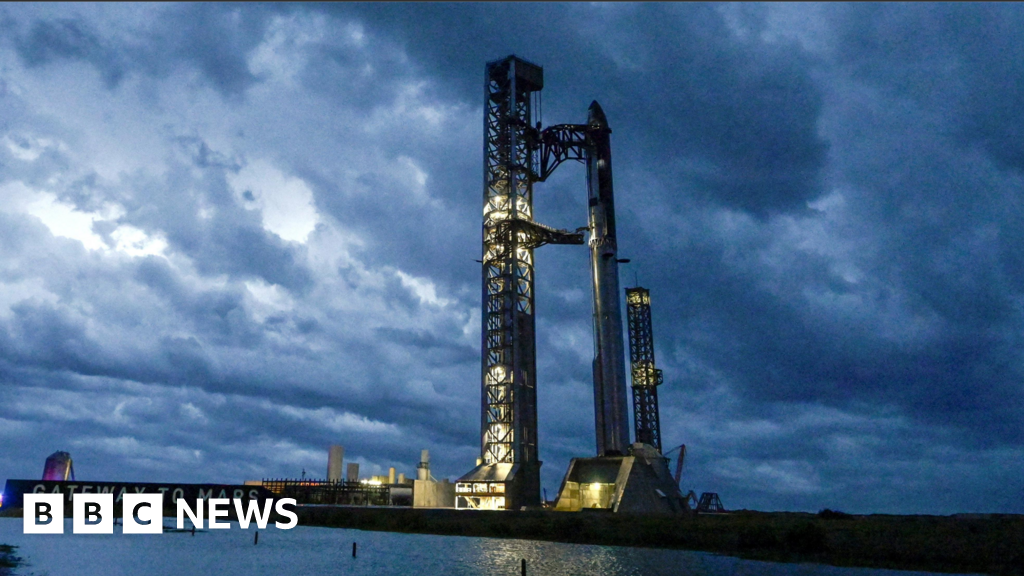
5 days agoSpaceX's next-gen rocket is the key to its sky-high valuation, early investor says: 'Starship also enables all kinds of frontier markets' | Fortune
Starship V3’s higher payload and reusability are positioned as the platform enabling SpaceX’s satellite, data-center, lunar, and Mars ambitions.
Venture
fromFortune
5 days agoSpaceX's next-gen rocket is the key to its sky-high valuation, early investor says: 'Starship also enables all kinds of frontier markets' | Fortune
Starship V3’s higher payload and reusability are positioned as the platform enabling SpaceX’s satellite, data-center, lunar, and Mars ambitions.
Silicon Valley
fromEntrepreneur
1 week agoElon Musk Is Now Reading All SpaceX Job Applications Himself - Here's What He's Looking For
Elon Musk personally reviews SpaceX AI hiring applications after initial screening.
Prior AI experience is not required if candidates can learn and build quickly.
Applicants must email three bullet points proving exceptional ability.
Venture
fromFortune
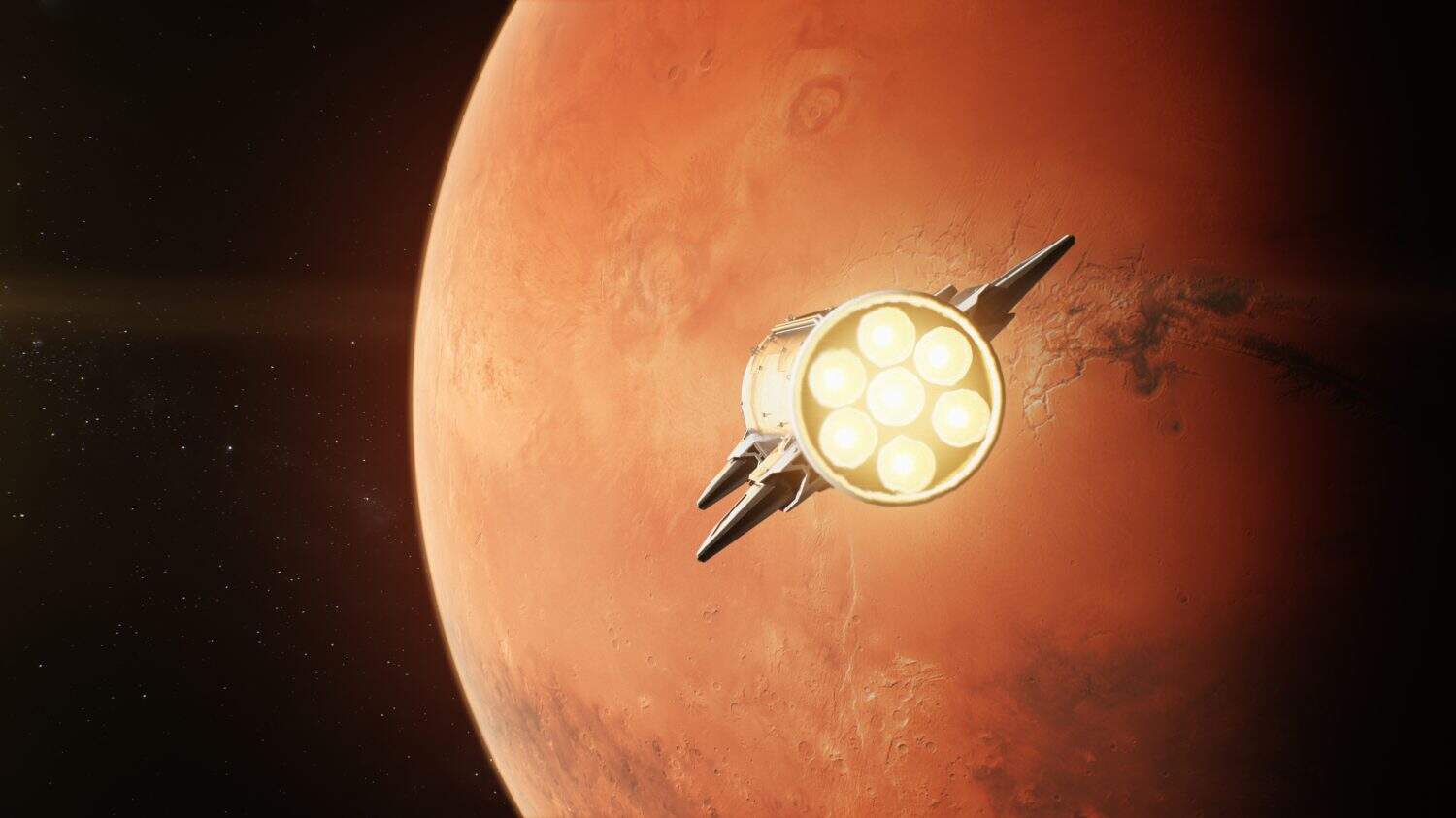
1 week agoMusk may already be a trillionaire while these SpaceX employees and investors will hit multibillion-dollar jackpots after blockbuster IPO | Fortune
SpaceX’s IPO could make Elon Musk and major investors earn massive paper gains, with valuations potentially confirming Musk as a trillionaire.

#ipo-filing
Venture
fromwww.businessinsider.com
1 week agoThe SpaceX S-1 filing is packed with eye-popping deadlines. Here are the most important ones.
SpaceX’s IPO filing sets aggressive 2026 timelines for Starship payload delivery and Starlink V3 deployment to enable orbital AI data centers and deep-space missions.
Venture
fromwww.businessinsider.com
1 week agoThe SpaceX S-1 filing is packed with eye-popping deadlines. Here are the most important ones.
SpaceX’s IPO filing sets aggressive 2026 timelines for Starship payload delivery and Starlink V3 deployment to enable orbital AI data centers and deep-space missions.
from24/7 Wall St.
1 week agoWall Street is About to Fund the First City on Mars. Here are the Craziest Details from the SpaceX S-1.
Extraterrestrial Liability: The filing explicitly warns investors that Martian colonization will require massive amounts of capital and may not see a return on investment for decades, if ever.
Venture
fromThe Verge
1 week agoAnthropic is paying $15 billion a year for access to Elon Musk's data centers
In its S-1 filing, SpaceX said that Anthropic agreed to pay $1.25 billion per month through May 2029 for access to SpaceX's AI training centers at Colossus I and Colossus II. That's $15 billion annually, or nearly double the $18.7 billion in revenue that SpaceX reported in all of 2025.
Artificial intelligence
[ Load more ]