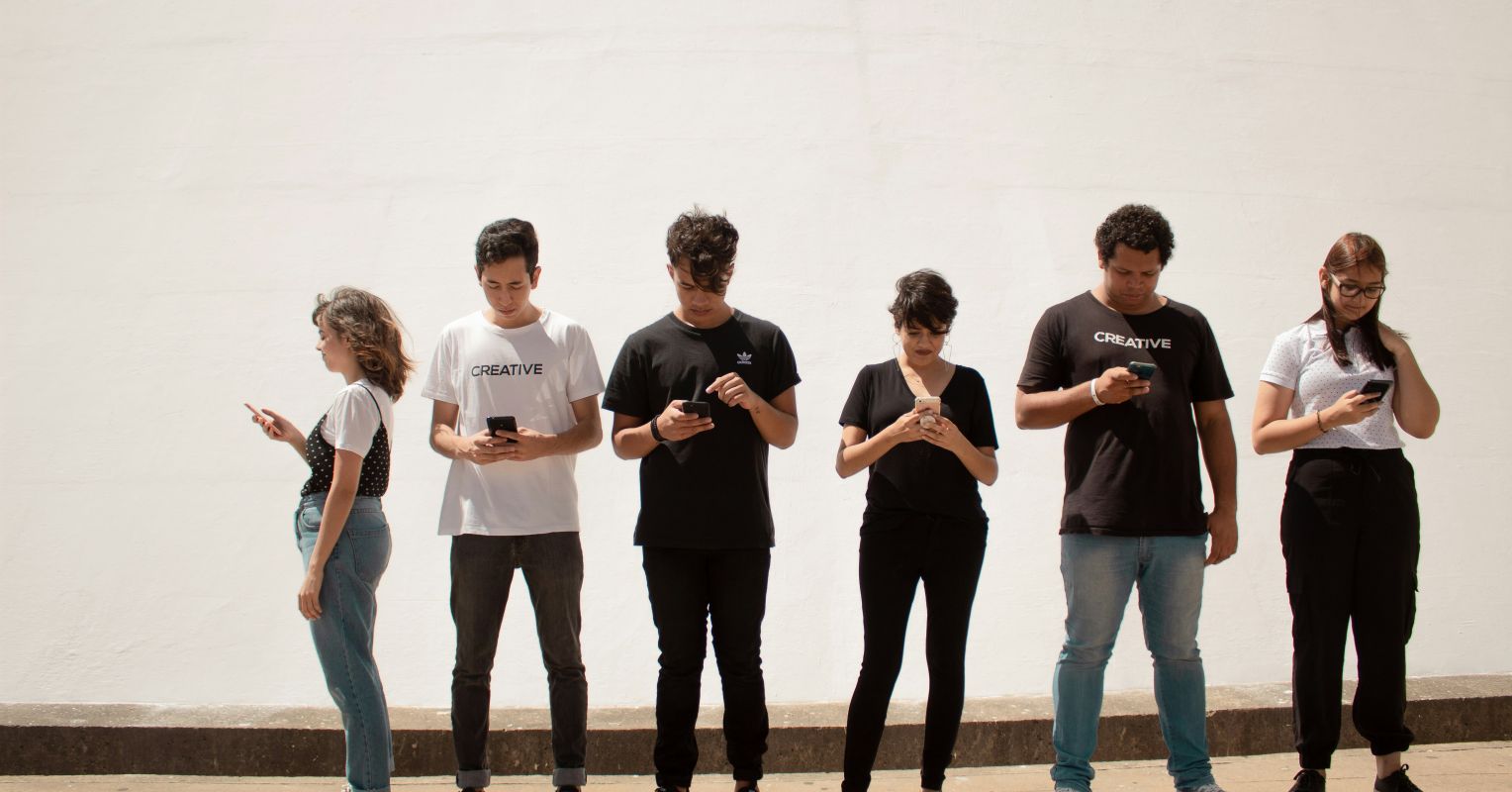
"Almost every teenager in America is on social media now. The 2024 National Academies report confirmed what parents already suspected: Nearly 100 percent of adolescents have at least one account. And the research keeps piling up about what that's doing to them. Poor sleep. More anxiety. Depression rates are climbing; teens stay up until 2 a.m. and then wonder why they feel exhausted the next day. Middle schoolers compare themselves to filtered, photoshopped versions of reality and somehow expect to measure up."
"Teen mental health concerns aren't occurring in a vacuum; their social media shapes them. Early adolescence is already complicated; your brain is rewiring itself, you're figuring out who you are, and everything feels intense and fragile. Now add Instagram and TikTok to the mix. It's a recipe for low self-esteem, depression, and anxiety."
"If we know social media can be harmful during these critical years, an age ban might prevent teens who struggle with anxiety, depression, or body image from the constant feedback loop that reinforces their worst thoughts. Age-based limits give teens time to learn social skills inherent in communication, such as face-to-face conversation, tone, eye contact, and body language."
Australia implemented a policy on December 9 prohibiting individuals under 16 from accessing social media applications such as TikTok, Instagram, and Snapchat. Nearly every American teenager now has at least one social account, with the 2024 National Academies report indicating almost universal adolescent presence. Research links social media use to poor sleep, increased anxiety, and rising depression, including late-night usage that causes exhaustion. Early adolescence involves brain rewiring and identity formation, and social platforms intensify comparisons and emotional fragility. Age-based limits could interrupt harmful feedback loops and provide time to develop face-to-face social skills, but similar policies face significant obstacles in the United States.
Read at Psychology Today
Unable to calculate read time
Collection
[
|
...
]