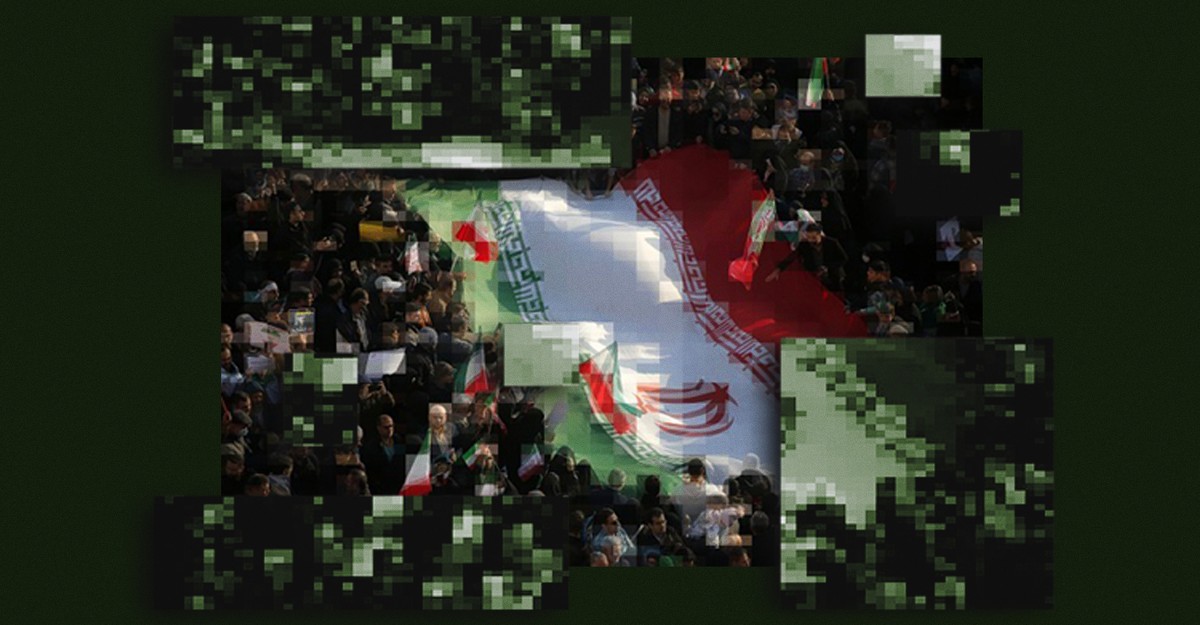
Protests in Iran are driven by deep economic desperation and widespread desire to remove a corrupt, repressive regime. The state's violent crackdown appears to have killed thousands. Simultaneously, abundant accounts, photos, and videos are beset by accusations of AI manipulation, creating uncertainty about what is authentic. The liar's dividend benefits bad actors who exploit doubt. AI-generated or enhanced content has complicated protest documentation globally, affecting events in Turkey and Nepal, and Iran faces intense narrative competition among multiple factions, foreign governments, and the regime as fabrication tools grow more advanced and accessible.
"The protests in Iran are real. The country's economic desperation runs deep, and millions of citizens want to see a corrupt and repressive regime gone. The violent crackdown on the protests is also real and appears to have cost thousands of lives. Yet the accounts, photos, and videos coming out of Iran are riddled with accusations of AI manipulation and fakery that have the effect of calling even what's true into doubt."
"AI-generated or -enhanced online content has become a global problem for those seeking to understand or document protest movements, because it allows interested parties to shape narratives. In 2025, AI-generated images of real protest moments muddied the view of events in Turkey, and AI-generated content became a mobilization tool for Nepal's Gen Z uprising. But Iran is perhaps the most fraught arena of all."
"Videos of Iran circulating on social media show crowds moved by an array of convictions and desires. Some simply chant against the regime; others chant for Reza Pahlavi, the crown prince of Iran's deposed monarchy, or invoke his father, the last shah. Numerous confirmed videos show demonstrators venting economic anguish and hatred for Iran's supreme leader, Ayatollah Ali Khamenei; the security forces; and the Islamic Republic itself."
Read at The Atlantic
Unable to calculate read time
Collection
[
|
...
]