#iran-protests
#iran-protests
[ follow ]
#human-rights #internet-blackout #us-iran-tensions #human-rights-abuses #us-iran-relations #internet-shutdown


US politics
fromCalifornia Post
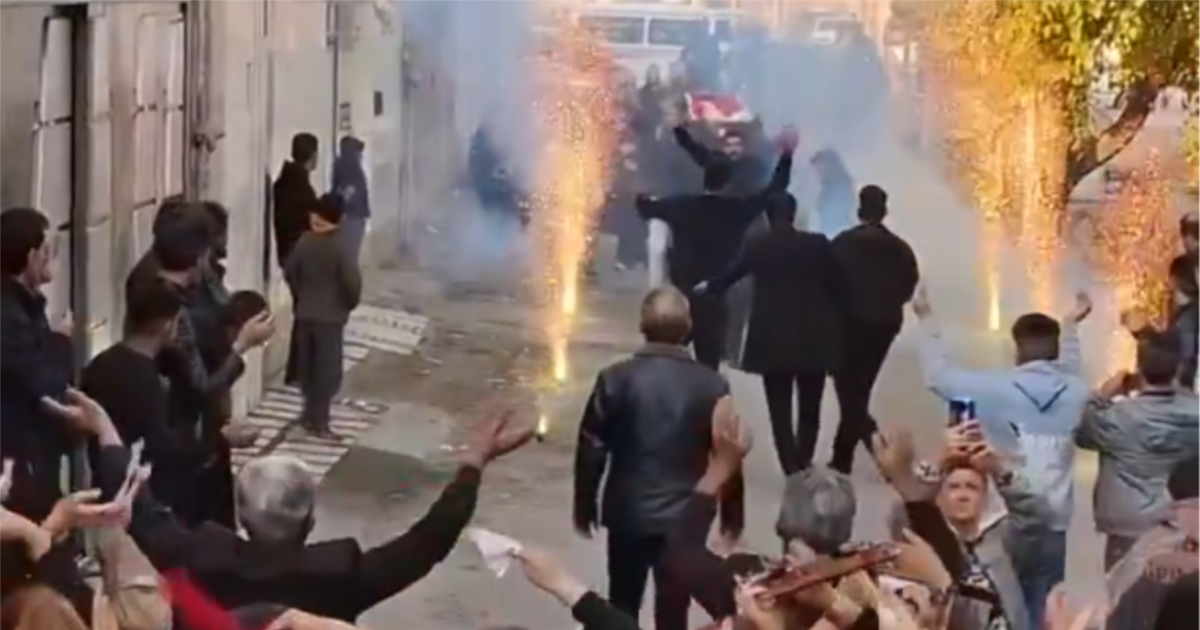
5 days agoIranian woman who lost her eye after being shot by the Revolutionary Guard slams Kamala Harris' response to the bombing
An Iranian activist who lost her eye during 2022 protests criticizes Western politicians, particularly Democrats, for prioritizing politics over supporting Iran's pro-democracy movement.
#us-foreign-policy
World news
fromABC7 San Francisco
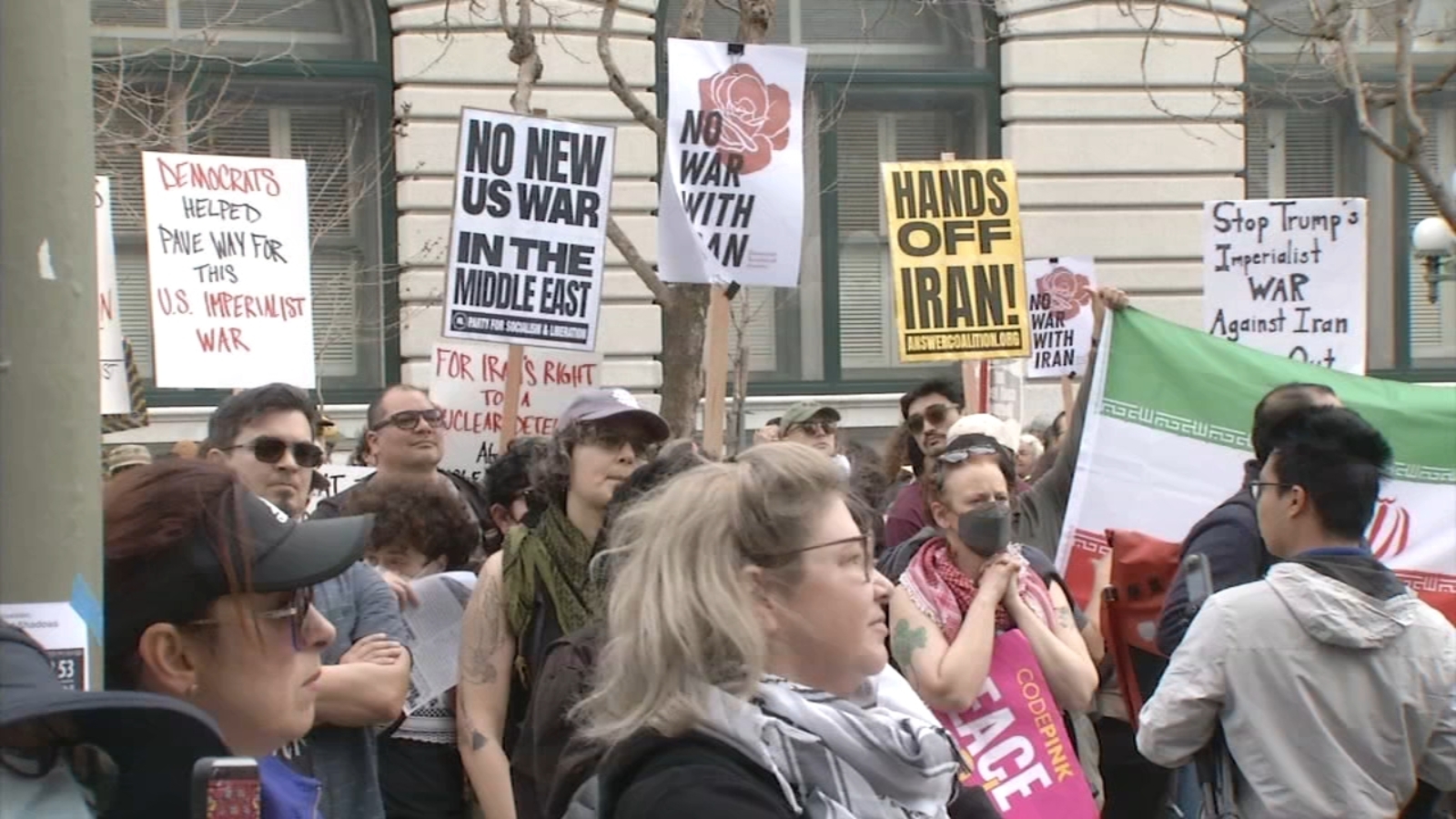
1 week agoHundreds rally in SF against attack in Iran, denouncing US and Israel's actions
Hundreds of protesters, including Iranian Americans, rallied in San Francisco opposing U.S. and Israeli military actions against Iran, arguing foreign governments should not intervene in Iran's internal governance.
Canada news
fromwww.cbc.ca
1 week agoGTA police step up patrols due to escalating tensions in Middle East | CBC News
Police across the Greater Toronto Area increased patrols at places of worship, consular offices, and community gathering places in response to escalating Middle East tensions and U.S.-Israel military operations against Iran.
fromwww.aljazeera.com
2 weeks agoIran demands evidence' as Trump, UN experts highlight protest killings
Foreign Minister Abbas Araghchi said on Saturday that the government has released a list of 3,117 people, whom he described as victims of recent terrorist operation, including about 200 security personnel.
World news


fromThe Hacker News
2 weeks agoCRESCENTHARVEST Campaign Targets Iran Protest Supporters With RAT Malware
The campaign exploits recent geopolitical developments to lure victims into opening malicious .LNK files disguised as protest-related images or videos, researchers Subhajeet Singha, Eliad Kimhy, and Darrel Virtusio said in a report published this week. These files are bundled with authentic media and a Farsi-language report providing updates from 'the rebellious cities of Iran.' This pro- protest framing appears to be intended to increase credibility and to attract Farsi-speaking Iranians seeking protest-related information.
Information security


fromwww.cbc.ca
3 weeks agoToronto man arrested for alleged hate-motivated assault at Iran rally: Toronto police | CBC News
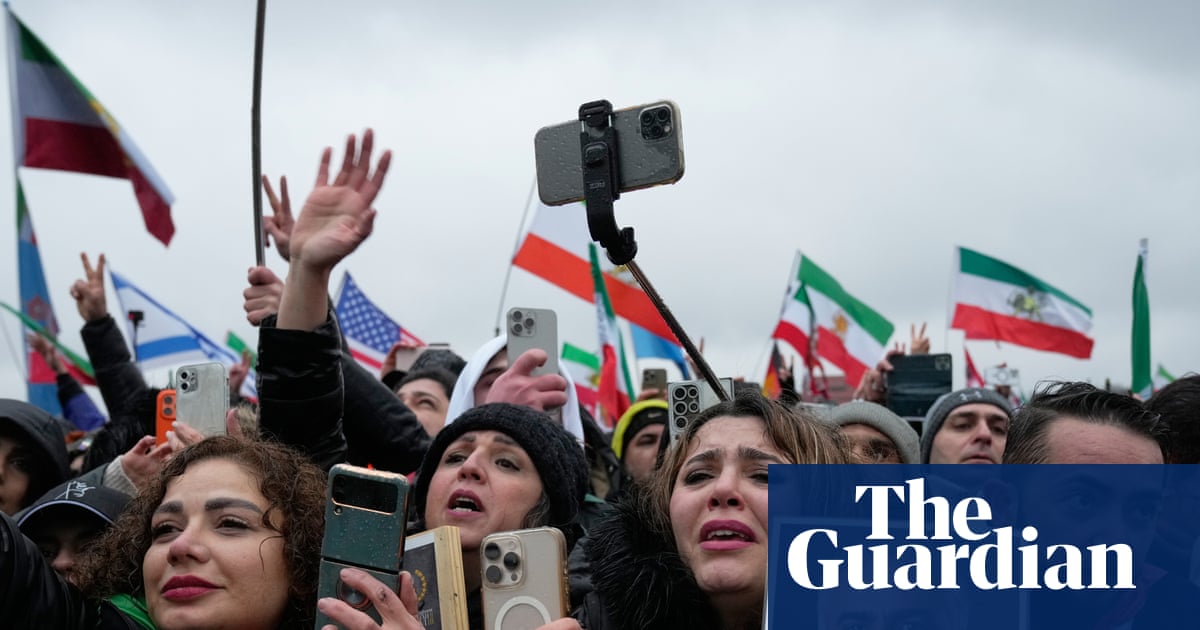
A 26-year-old Toronto man was arrested after an alleged hate-motivated assault at a rally supporting protestors in Iran on Saturday, said police. Officers arrested the man Saturday afternoon after he allegedly made anti-Black comments and punched someone in the chest and face at the demonstration, said Toronto police in a news release. They said the accused was wearing a balaclava "to conceal their identity" during the assault. The victim sustained minor injuries from the incident.
Canada news

Canada news
fromwww.cbc.ca
3 weeks agoToronto police expecting 200,000 people at rally to support anti-government protesters in Iran | CBC News
More than 200,000 people are expected to rally in North York today in solidarity with Iranian protesters, prompting major road closures and severe transit disruptions.



fromWIRED
3 weeks agoElon Musk's X Appears to Be Violating US Sanctions by Selling Premium Accounts to Iranian Leaders
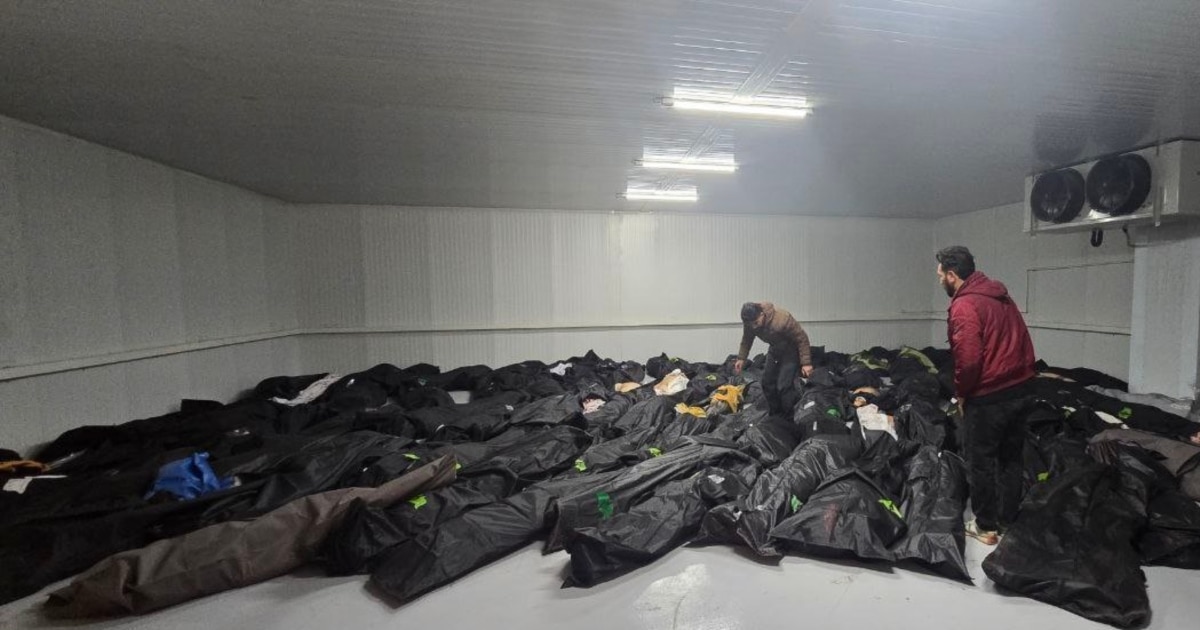
TTP identified more than two dozen X accounts allegedly run by Iranian government officials, state agencies, and state-run news outlets which display a blue checkmark, indicating they have access to X's premium service. These accounts were sharing state-sponsored propaganda at a time when ordinary Iranians had no access to the internet, and their messages appeared to be artificially boosted to increase reach and engagement, which is a key aspect of X's premium service.
World news


fromThe Atlantic
1 month agoWhat Iran's Dead Loved and Fought For
On January 2, Raha Bahloulipour watched Sentimental Value, the latest film by the Norwegian auteur Joachim Trier, in her dorm room at the University of Tehran. It was the first film she viewed in 2026, and she liked it very much. I know this because Raha was, like myself, an avid user of the film-cataloging app Letterboxd. With its tag system and diary, she jotted down when, where, and in what context she watched movies and what she thought of them.
World news

fromwww.dw.com
1 month agoHow far will China go to back Iran if the US strikes?
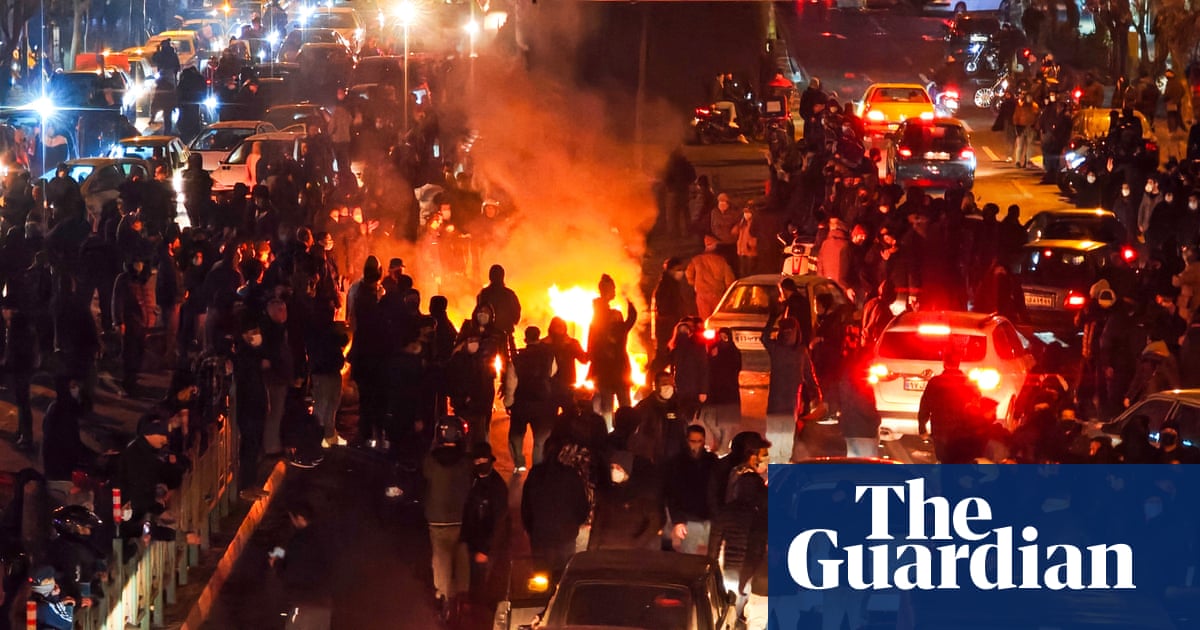
In early January, widespread demonstrations driven by economic hardship, political discontent and sustained foreign pressure posed one of the most serious domestic challenges Iran's leadership has faced in years. The unrest soon gave way to a sharpening regional standoff, as President Donald Trump ordered large US military deployments to the Middle East and issued warnings demanding that Iran curb its nuclear program and ballistic missile development.
World news
World news
fromwww.theguardian.com
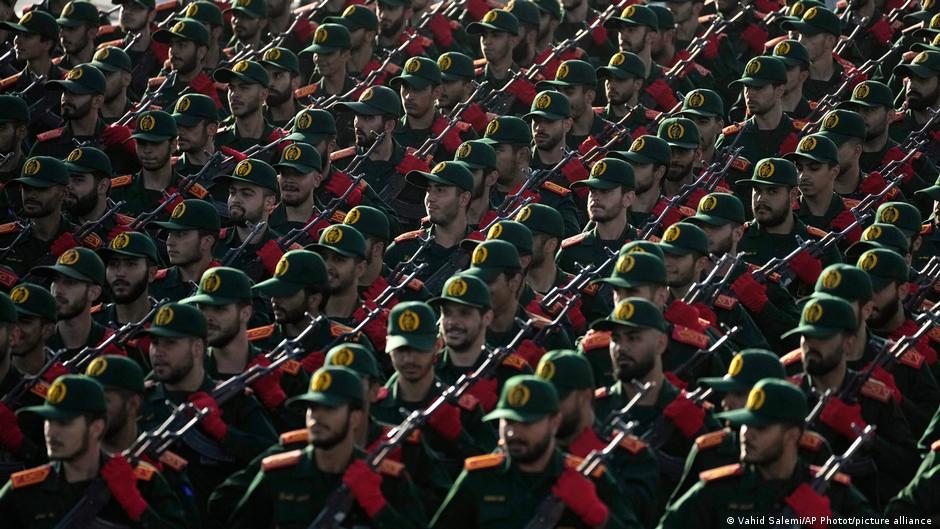
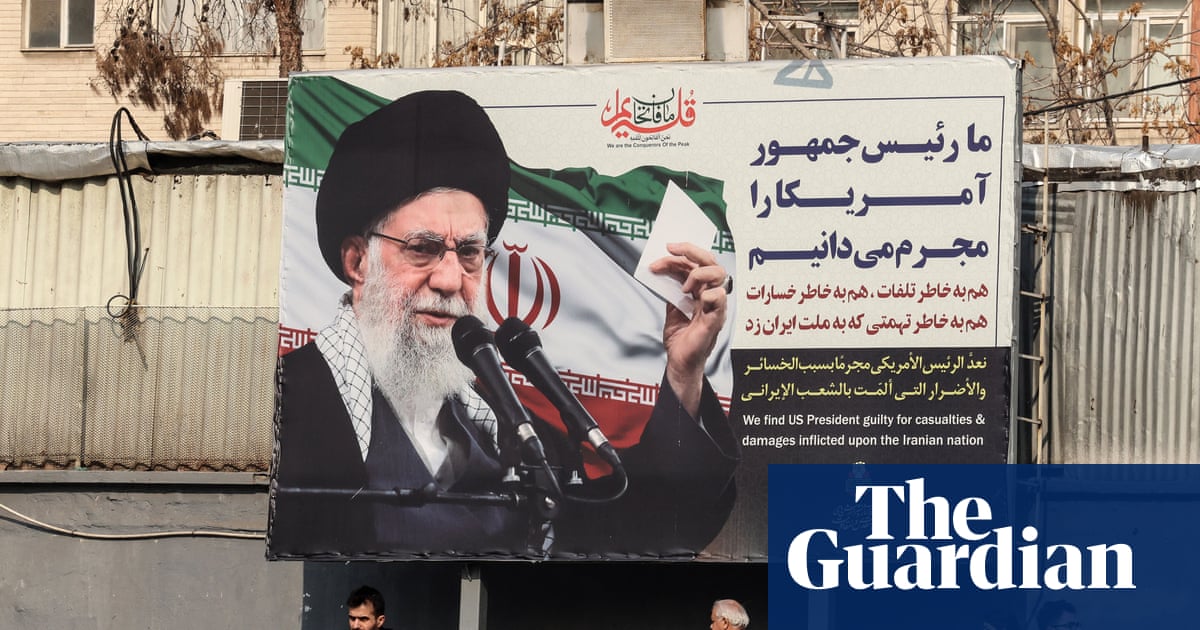
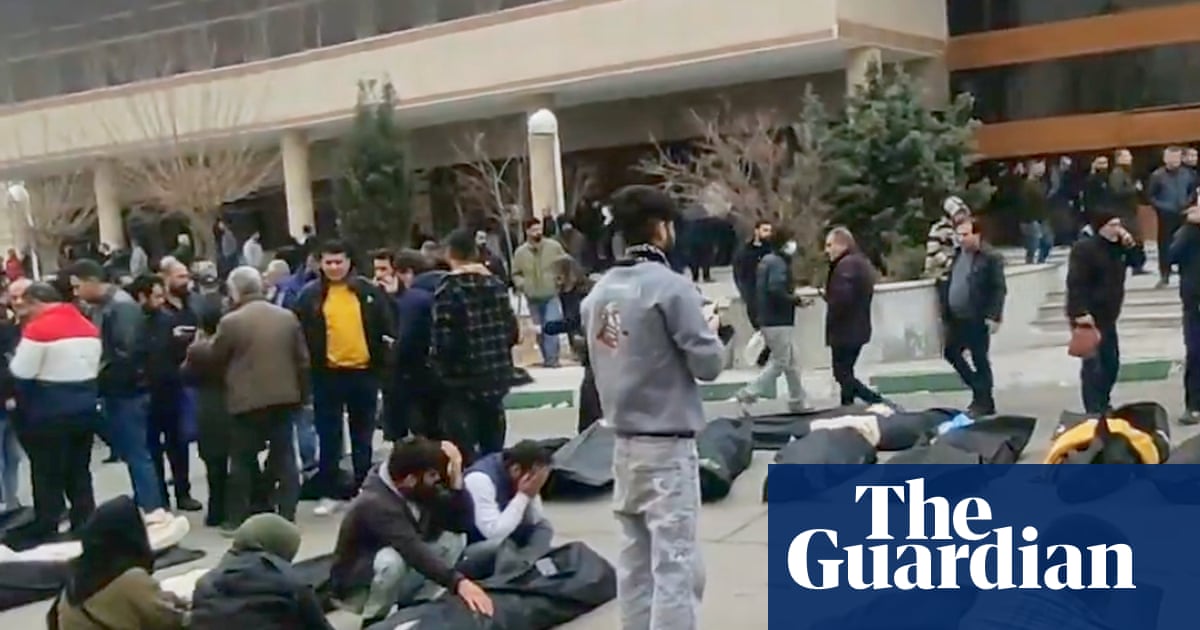
1 month agoThe Guardian view on Trump's Iran threats: military strikes won't help civilians facing state brutality | Editorial
Iran's security forces have responded to nationwide unrest with unprecedented lethal force, causing thousands of deaths amid widespread repression and external political posturing.


US politics
fromwww.mediaite.com
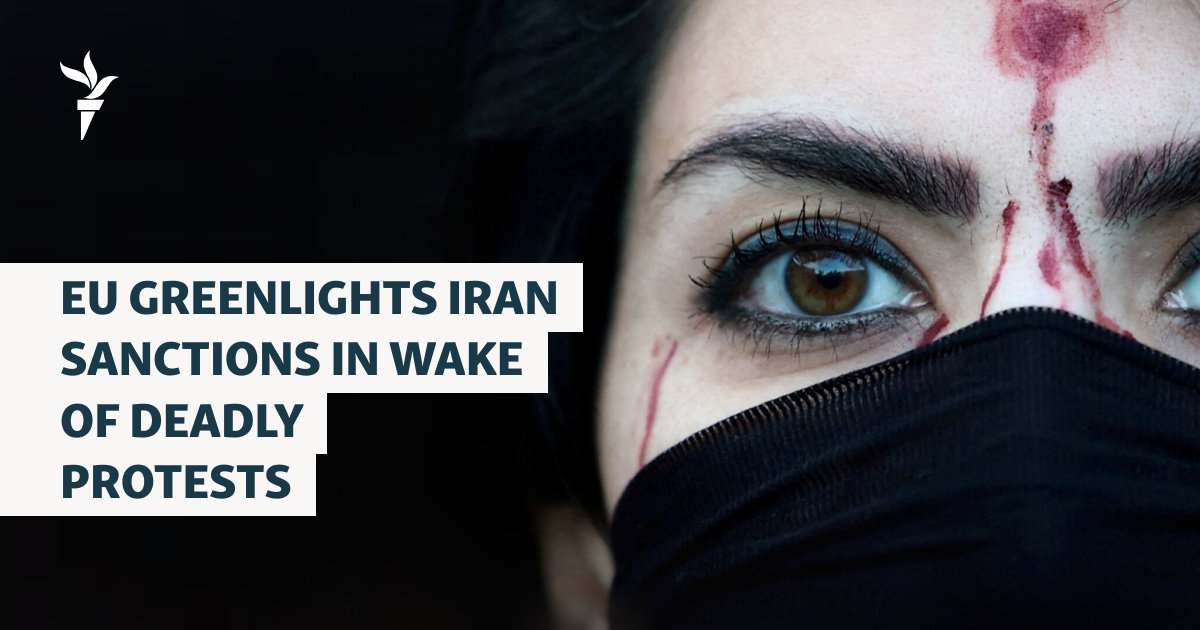
1 month agoTed Cruz Calls for U.S. to Arm Iranian Protesters Right Now' So They Have The Ability to Fight Back'
Sen. Ted Cruz urges the U.S. to immediately arm Iranian protesters to enable armed resistance against the theocratic regime's violent crackdown and communications blackout.
fromwww.dw.com
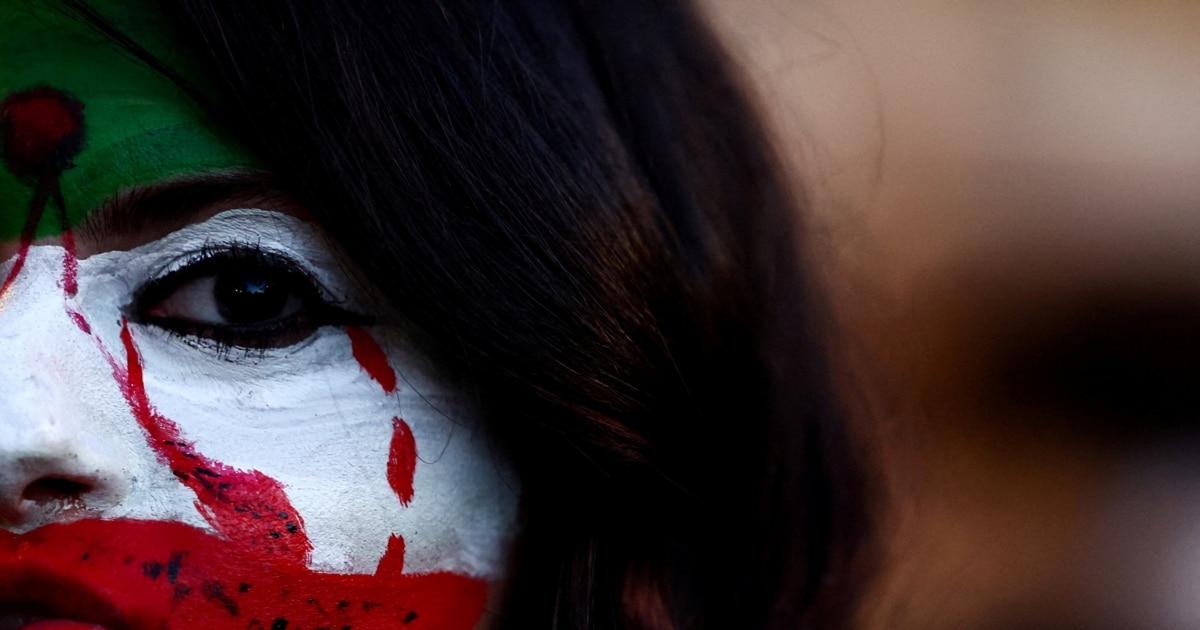
1 month agoProtests in Iran: Ali Karimi leads sports' call for support
In the face of thousands of killings, leading figures in Iranian sport have been vocal about the need for help and action. Former Iran and Bayern Munich star Ali Karimi signed an open letter to FIFA's President Gianni Infantino, calling on him to "publicly condemn the mass killing of civilians in Iran, including members of the football community." Karimi, along with 20 other signatories that include other former internationals, a coach, a referee and sports journalists, also asks FIFA to act in the face of human rights being violated.
Soccer (FIFA)


fromwww.theguardian.com
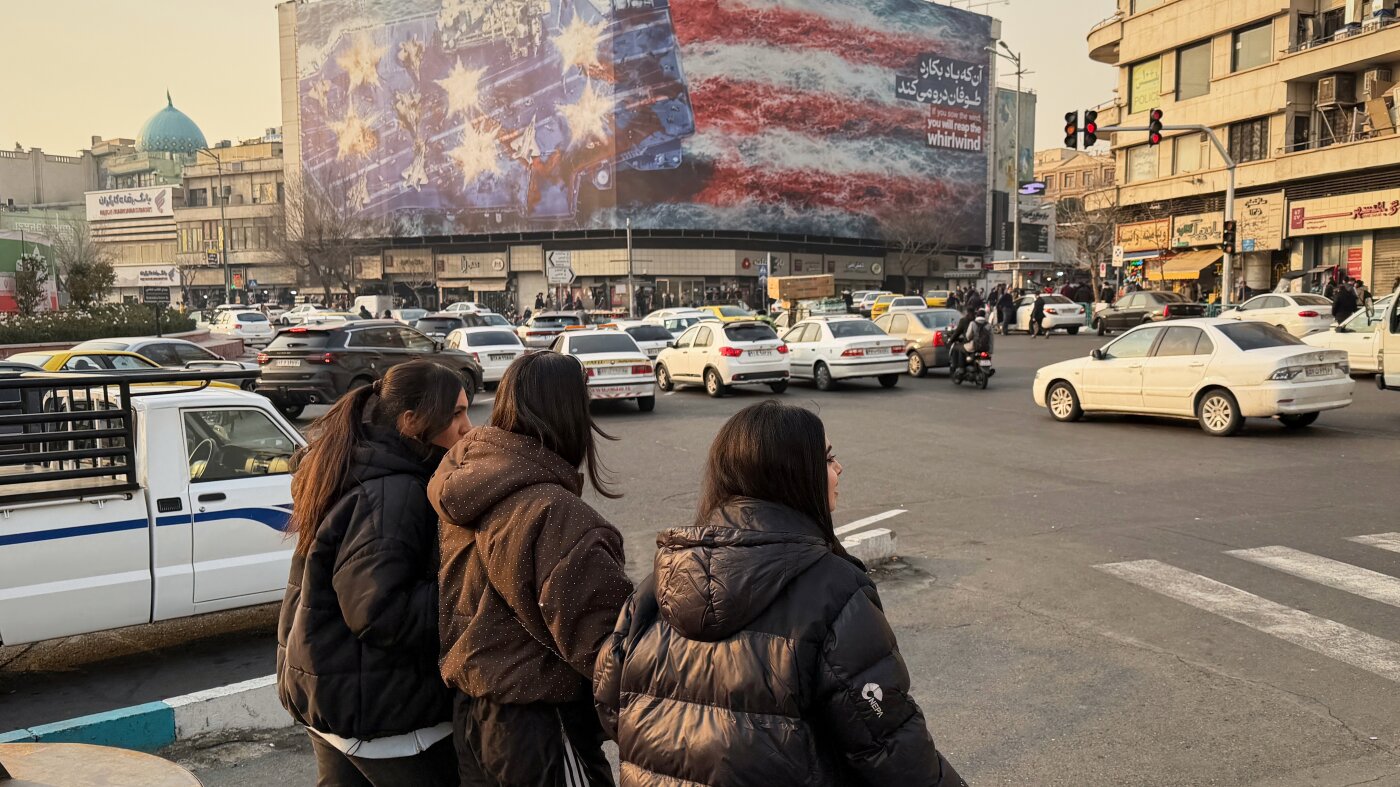
1 month agoIran protest doctor: In one street, I saw blood pooled in a gutter with a trail stretching several metres' | Anonymous
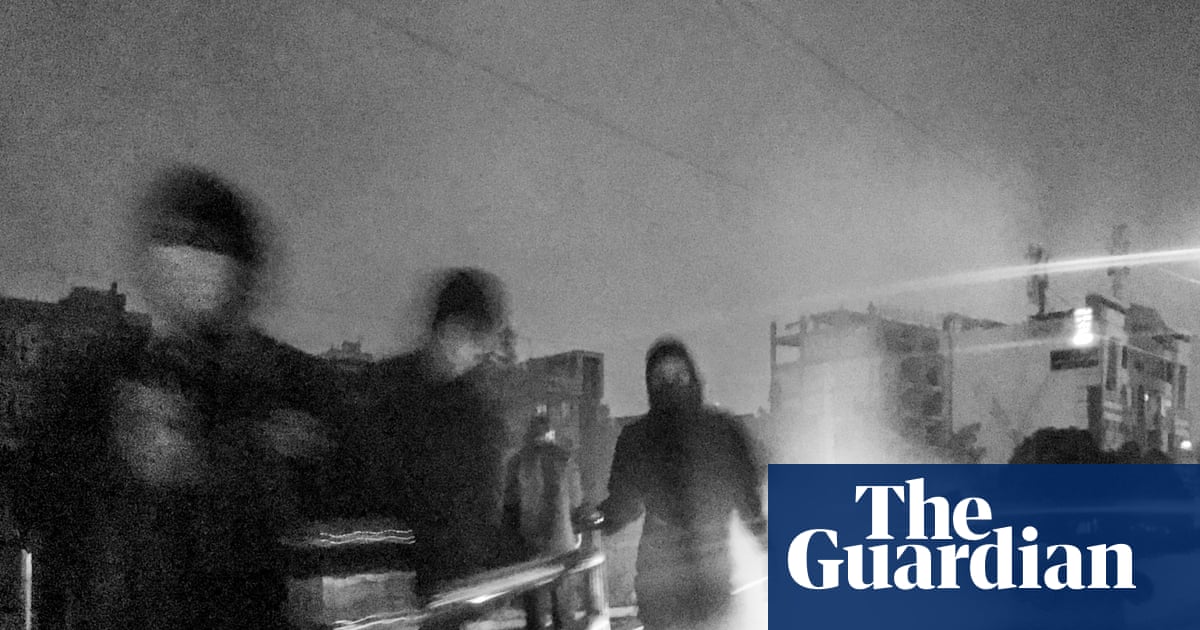
Up until a few hours earlier, doctors and patients were still sending me photos on WhatsApp; pellet wounds to the back, the hands, the head. Painful injuries, frightening injuries but survivable. The kinds of wounds that could be treated, that suggested the violence still had limits. Then, at eight o'clock, everything went dark. Internet, mobile phones, messages, maps all gone. Minutes later, the gunfire started.
World news
fromThe Cipher Brief
1 month agoIran at the Breaking Point: How Afghanistan and Iraq Still Inform U.S. Strategy
EXPERT PERSPECTIVE - Iran is experiencing its most consequential period of internal in years. Nationwide demonstrations driven by economic collapse, social grievance, and political frustration have been met with force, mass arrests, and near-total information control. The scale and coordination of the response suggest a regime that feels threatened but not unmoored, confident in its ability to absorb pressure while preventing fragmentation.
World news
fromRadioFreeEurope/RadioLiberty
1 month agoUS Blames Iranian Regime As Death Toll From Brutal Crackdown On Protesters Rises
The United States says recent protests across Iran were the result of the regime's "mismanagement" and not foreign influences, as claimed by Tehran, as the death toll continues to rise from a violent crackdown on the biggest threat to the Islamic republic in years. In a post published on X on January 21, USAbehFarsi, the official Persian-language social media platform of the US State Department, said the protests, which began late last month, were "an inevitable uprising of the Iranian people after years of repression."
World news
World news
fromElectronic Frontier Foundation
1 month agoEFF Joins Internet Advocates Calling on the Iranian Government to Restore Full Internet Connectivity
Iran's nationwide internet shutdowns violate human rights and undermine global internet stability, requiring immediate restoration of open, unfiltered connectivity.
fromwww.theguardian.com
1 month agoI am in Iran watching the protests and desperate for change. But I don't believe the regime will fall | Anonymous
Ever since the 2009 post-election uprising, sporadic outbursts of public anger have become somewhat the order of the day, mostly silenced brutally for a while only to fester and uncork again on another occasion. The street protest is not the sole medium through which opposition has tried to convey its dissent. Iranians have tried everything be it the very narrow and funnelled channel of elections between the limited choices offered by the state.
World politics
fromwww.theguardian.com
1 month agoTeenager among Iranian protesters sexually assaulted in custody, rights group says
A 16-year-old was among protesters sexually assaulted in custody by the security forces in Iran during the nationwide uprising that has left thousands dead, according to a human rights group. Two people, one of them a child, detained in the city of Kermanshah in western Iran told the Kurdistan Human Rights Network (KHRN) that they were subjected to sexual abuse by riot police during their arrest. During the transfer, security forces touched their bodies with batons.
World news
Information security
fromDataBreaches.Net
1 month agoHow a hacking campaign targeted high-profile Gmail and WhatsApp users across the Middle East - DataBreaches.Net
A WhatsApp phishing campaign targeted Iran-related activists during the country’s longest nationwide internet shutdown amid widespread protests.
fromAxios
1 month ago"The order never came": Behind the scenes of Trump's Iran pullback
But with insufficient military hardware in the region, warnings from allies like Israel and Saudi Arabia, concern among top aides about the implications and effectiveness of the strike options, and secret backchannel talks with the Iranians, he chose not to pull the trigger. This account of Trump's decision-making over the past ten days is based on interviews with four U.S. officials, two Israeli officials and two other sources with knowledge of the behind-the-scenes discussions.
US politics
fromThe Local France
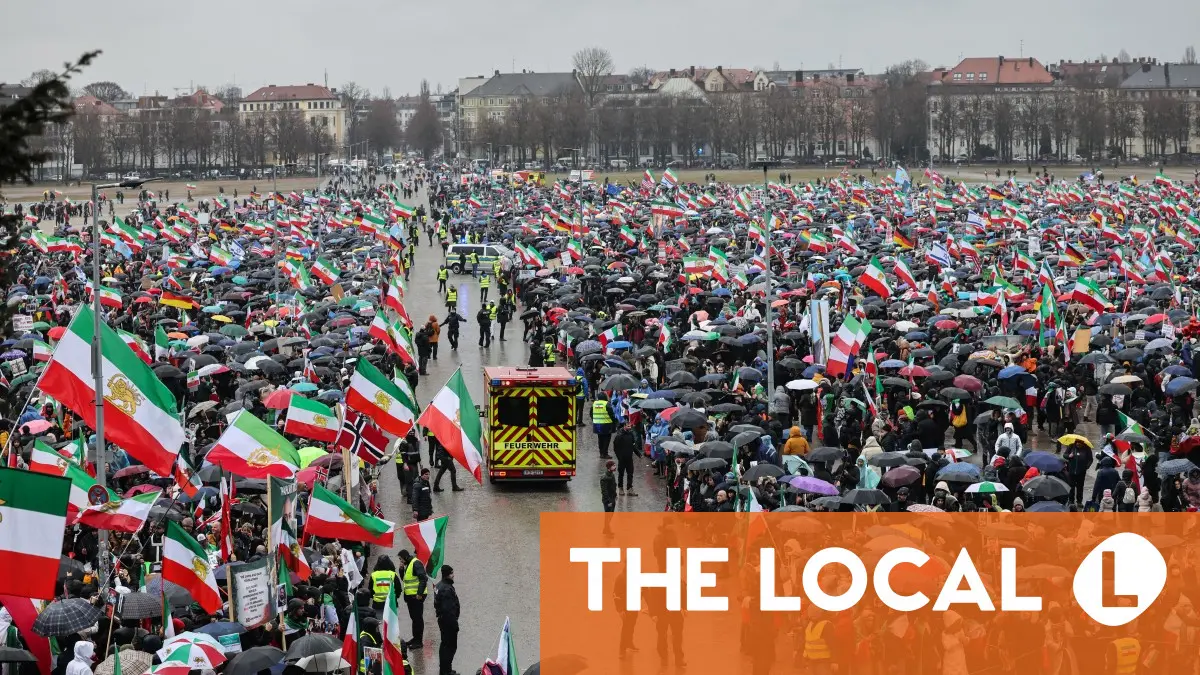
1 month agoThousands march in France to back Iranian protesters
Norway-based rights group Iran Human Rights (IHR) says it has verified that Iranian security forces have killed 3,428 protesters, but warns the actual toll could be several times higher. Other estimates place the death toll at more than 5,000 - and possibly as high as 20,000, IHR said. The opposition Iran International channel based outside the country has said at least 12,000 people were killed during the protests, citing senior government and security sources.
World news
[ Load more ]