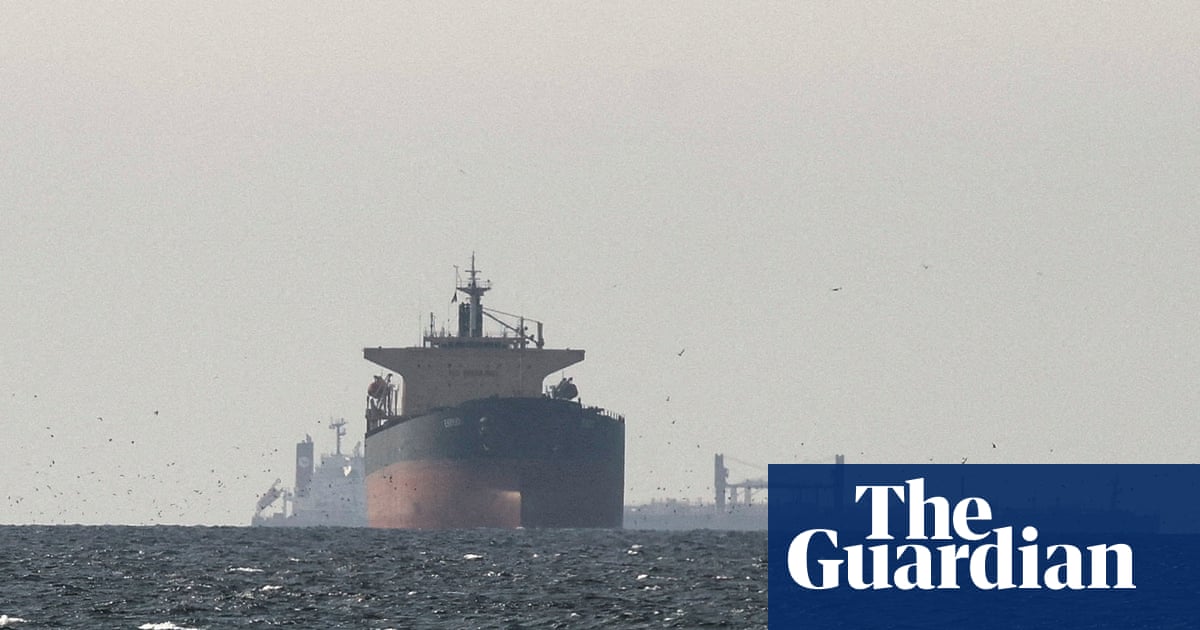
"The level of threat is such that I don't see many nations being willing to put warships into the middle of that threat right now. Iran has in effect closed the strait with periodic attacks on oil tankers and other shipping. About a fifth of seaborne crude oil traffic passed through the strait before the war, and a dramatic fall in exports has helped push prices above $100 a barrel."
"Tehran had a very effective kind of disaggregated command and dispersal system, meaning it could continue to attack even though many of its military and political leaders have been killed. Its mountainous coastline makes surveillance of missiles and drones difficult."
"Iran is still considered to pose a threat and to have a wide range of weapons available from cruise missiles to sea drones despite 19 days of US-led bombing of its navy and coastal sites."
Britain continues diplomatic discussions with the US and European allies regarding merchant shipping escorts through the Strait of Hormuz, but deems the current security situation too dangerous for implementation. Iran maintains a significant military threat despite 19 days of US-led bombing, possessing cruise missiles and sea drones with a decentralized command system enabling continued operations despite leadership losses. The mountainous coastline complicates surveillance efforts. Iran's periodic attacks have effectively closed the strait, reducing seaborne crude oil traffic by approximately one-fifth and pushing prices above $100 per barrel. Donald Trump criticized NATO members for insufficient warship contributions, though Britain maintains military-level contacts and has dispatched additional planners to US Central Command. The Royal Navy could theoretically redeploy HMS Dragon to the Arabian Sea, though no other warships are immediately available.
#strait-of-hormuz #iran-military-threat #maritime-security #nato-naval-operations #oil-shipping-disruption
Read at www.theguardian.com
Unable to calculate read time
Collection
[
|
...
]