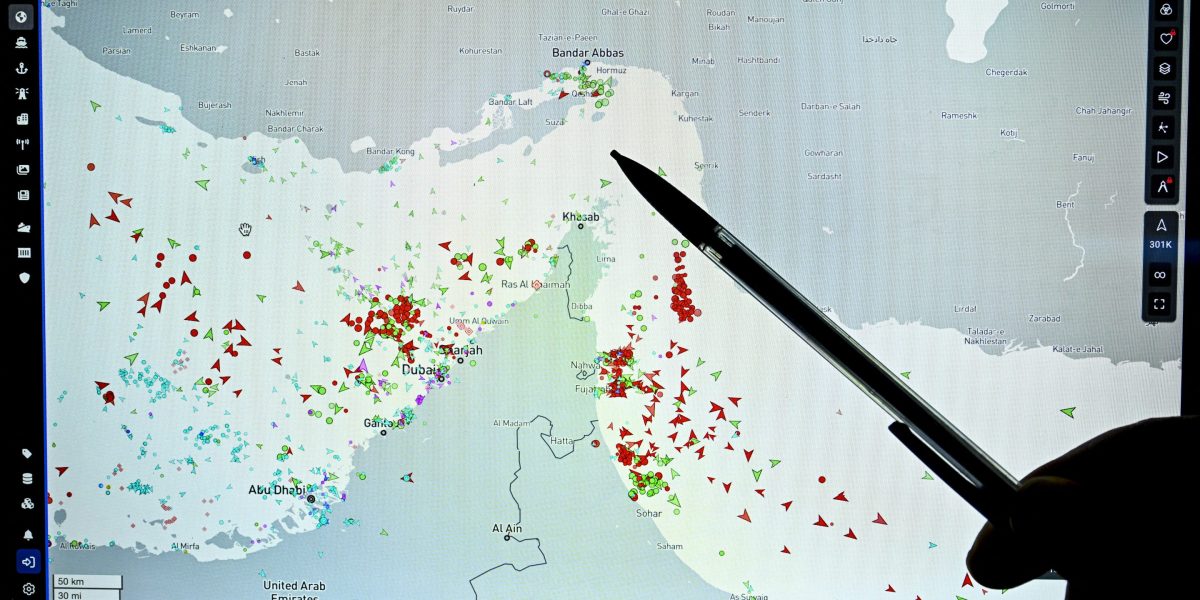
"The real crisis isn't a lack of resources; it is a failure to harness and move them. The global energy market is struggling under the weight of geopolitical warfare, insurance fears, physics and geology realities, and the lack of pipeline and waterway infrastructure to redirect supplies."
"The $90 threshold is the absolute psychological and technical battleground for the global economy. Below this mark, the market views any kind of chaos as a temporary logistics delay. Above it, we are pricing in the permanent destruction of supply."
"The current petroleum-supply paralysis is driven by a "threat triplet" that conventional diplomacy cannot solve. For import-reliant centers like India, the EU, and East Asia, this is an asymmetric shock that threatens to trigger massive inflation and kill any hope for interest rate cuts."
Energy security traditionally defined by geography and resource ownership now faces a critical crisis centered on supply movement rather than availability. The Strait of Hormuz closure by Iran's Revolutionary Guard following U.S. and Israeli airstrikes has paralyzed 20% of global oil supply. The $90-per-barrel threshold represents a psychological and technical breaking point where markets shift from viewing disruptions as temporary logistics delays to pricing permanent supply destruction. A "threat triplet" combining geopolitical warfare, insurance complications, and infrastructure limitations creates an asymmetric shock for import-dependent regions including India, the EU, and East Asia, threatening inflation and preventing interest rate reductions.
Read at Fortune
Unable to calculate read time
Collection
[
|
...
]