A pre-emptive war launched with Israel against Iran did not remove the Tehran regime. The US is pursuing a deal aimed at reopening the Strait of Hormuz to oil tankers, but reported terms have alarmed Israel. Israel is portrayed as dependent on US decisions made by a volatile American president. Critics argue Netanyahu’s strategy before and during the campaign risks damaging Israel’s most vital foreign policy asset: bipartisan US support. US opinion polls suggest the conflict may leave Israel with a lasting negative legacy. Israel is said to be excluded from negotiations and not updated on progress, relying instead on regional allies and their intelligence networks. The proposed deal may constrain Iran’s nuclear program less than the 2015 agreement.
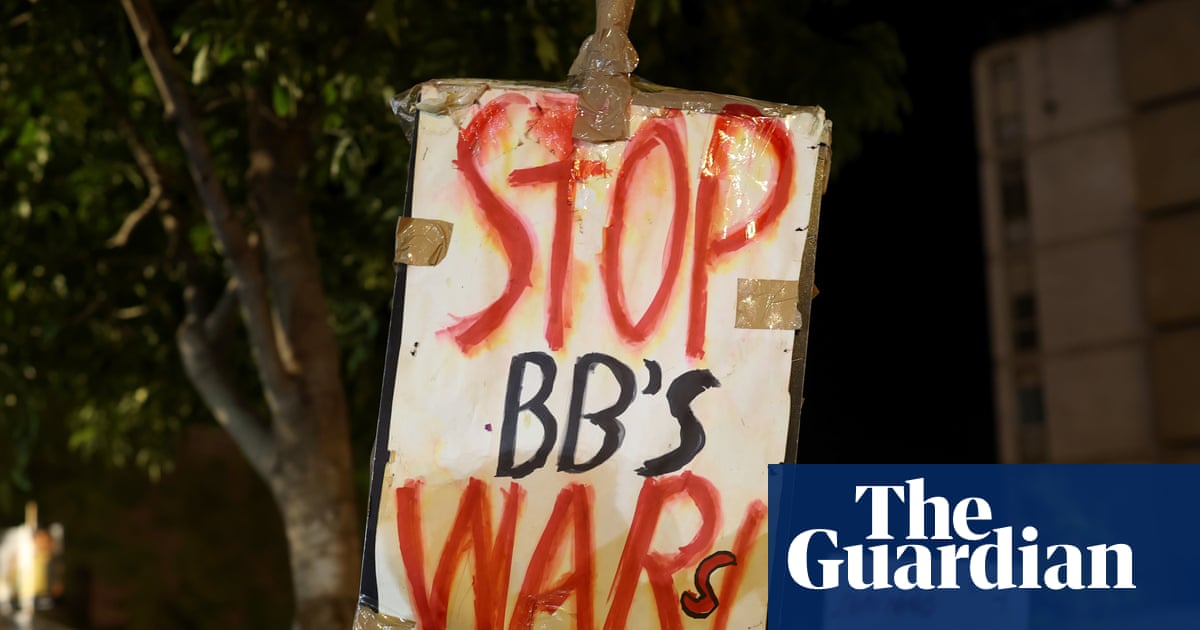
"Three months on the regime is still in power in Tehran, Trump is chasing a deal that will reopen the strait of Hormuz to oil tankers, and the reported terms have provoked alarm, dismay and anger in Israel. Israel is completely beholden to the decisions of a capricious, hollow and desperate American president, Nahum Barnea wrote in Yedioth Ahronoth, one of several commentators who condemned both the deal and the Israeli prime minister."
"The greater the fury, the greater the roar, the greater the defeat, he added, in a scathing account of Netanyahu's strategy before and during the campaign that the US called Operation Epic Fury and Israel named Operation Roaring Lion. If the agreement currently being talked about is signed, the damage will be even worse. The billions that will flow into the regime's pockets will go a long way."
"At the beginning of the war Israel's security elite warned that Netanyahu risked sacrificing the country's most vital foreign policy asset, bi-partisan support in the United States, in pursuit of regime change in Iran and possibly a boost in an election due by October. Almost three months on, US opinion polls indicate that a body blow to a decades-old legacy may be the conflict's most enduring legacy for Israel."
"Israel has been not only locked out of negotiations with Iran, it has not even been updated on their progress, according to the New York Times. Its government has been forced to resort to drawing on regional allies and their espionage networks surveilling Iran's leadership. The deal that Trump's team is negotiating may put some constraints on Iran's nuclear programme, but there was broad consensus they would be less restrictive than an agreement reached by Barack Obama's administration in 2015."
#iran-nuclear-program #israel-us-relations #strait-of-hormuz #middle-east-conflict #diplomatic-negotiations
Read at www.theguardian.com
Unable to calculate read time
Collection
[
|
...
]