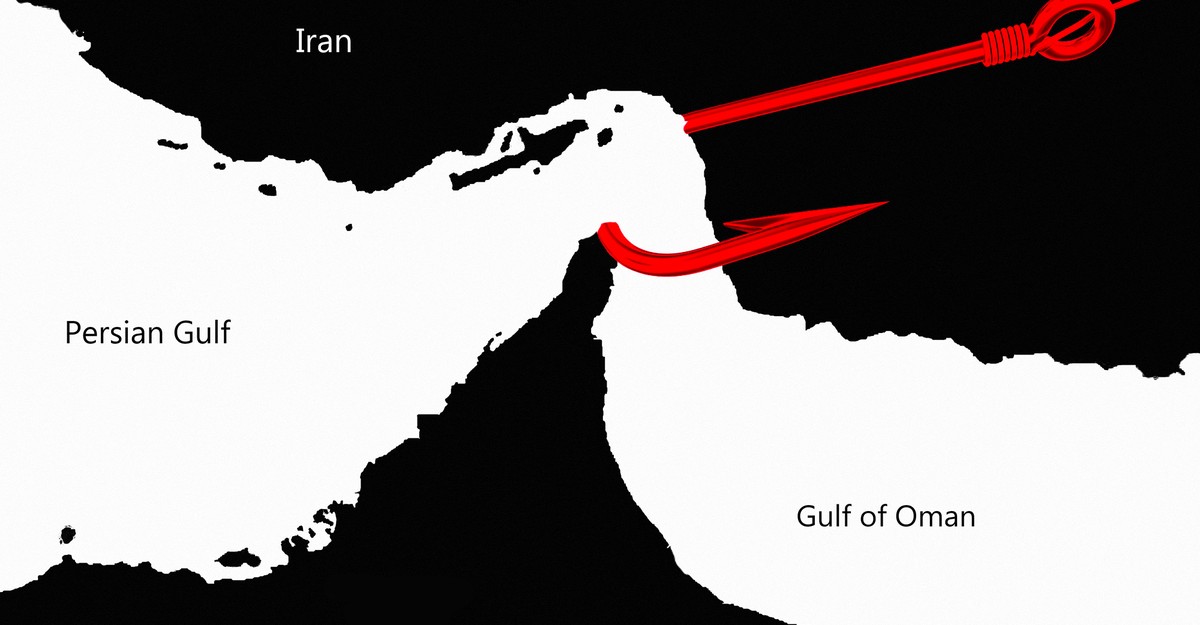
"The Strait of Hormuz has always been vulnerable; the United States has always known that Iran might try to close it if attacked. But neither Washington nor Tehran imagined how easy it would be for Iran to do so, how hard it would be for the U.S. to reopen it, or how widely and rapidly the economic effects of a closed strait would fan out."
"Fossil fuels are to modern industrial civilization what air is to the lungs: About 80 percent of the global economy is powered by oil, coal, and natural gas. Much of this comes from the states along the Persian Gulf."
"Even without much naval capacity, Iran could threaten passing ships with mines, missiles, and cheap Shahed-136 drones. By attacking a few merchant ships and laying a few mines, it created an atmosphere of such pervasive insecurity."
President Trump's war aimed to prevent Iran from acquiring nuclear weapons inadvertently revealed Iran's effective strategy to close the Strait of Hormuz. This strait is crucial for global oil and gas trade, with 25% of seaborne oil and 20% of liquefied natural gas passing through it. Despite significant losses to its navy, Iran managed to close the strait using mines, missiles, and drones, creating widespread economic insecurity and demonstrating the challenges the U.S. faces in reopening it.
Read at The Atlantic
Unable to calculate read time
Collection
[
|
...
]