#global-economy
#global-economy
[ follow ]
#iran #strait-of-hormuz #inflation #iran-war #oil-prices #energy-crisis #iran-conflict #peace-talks #us-military
fromwww.aljazeera.com
2 weeks agoAraghchi in Beijing: How China could shape the direction of the US-Iran war
We believe that a comprehensive ceasefire brooks no delay, a resumption of hostilities is inadvisable, and persisting with negotiations is particularly important, Wang told Araghchi at the start of their meeting.
World politics
#iran


World news
fromwww.mediaite.com
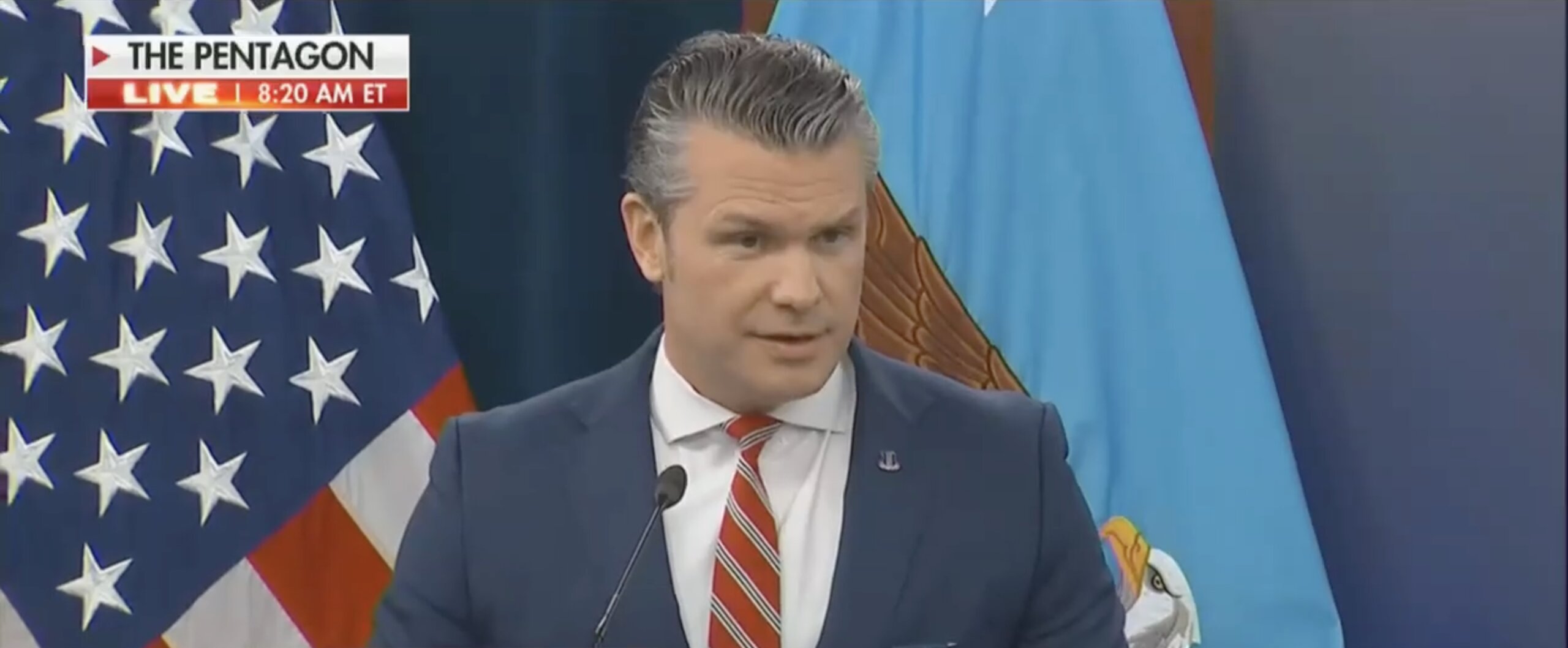
2 weeks agoPete Hegseth Asked About Bizarre Report of Kamikaze Dolphins' in Strait of Hormuz: Like Sharks With Laser Beams?'
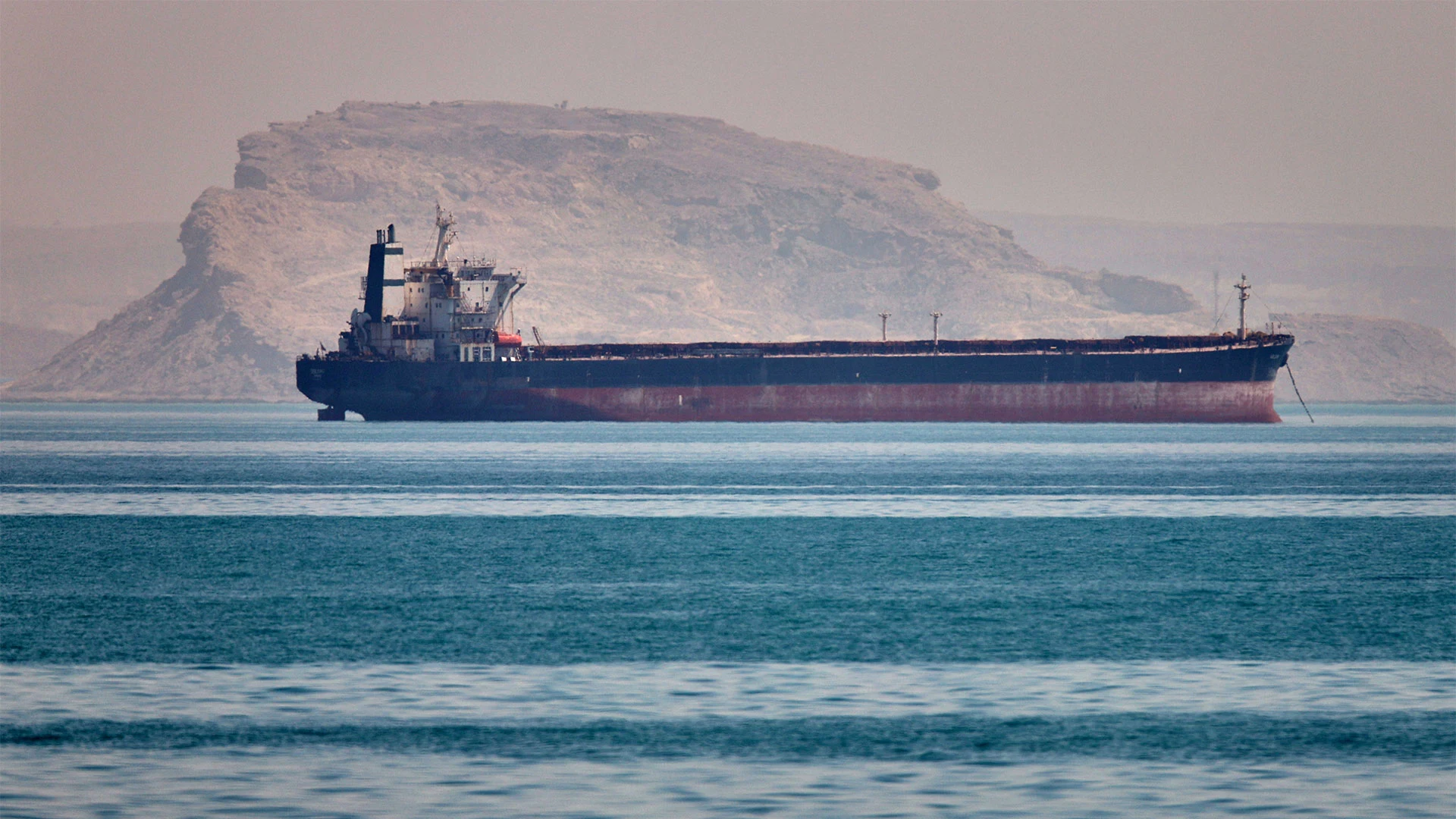
Iran is using unconventional tactics, including mines and potentially dolphins, to restrict passage in the Strait of Hormuz and impact the global economy.



fromThe Local Germany
3 weeks agoGerman fertiliser makers and farmers struggle with Iran war fallout
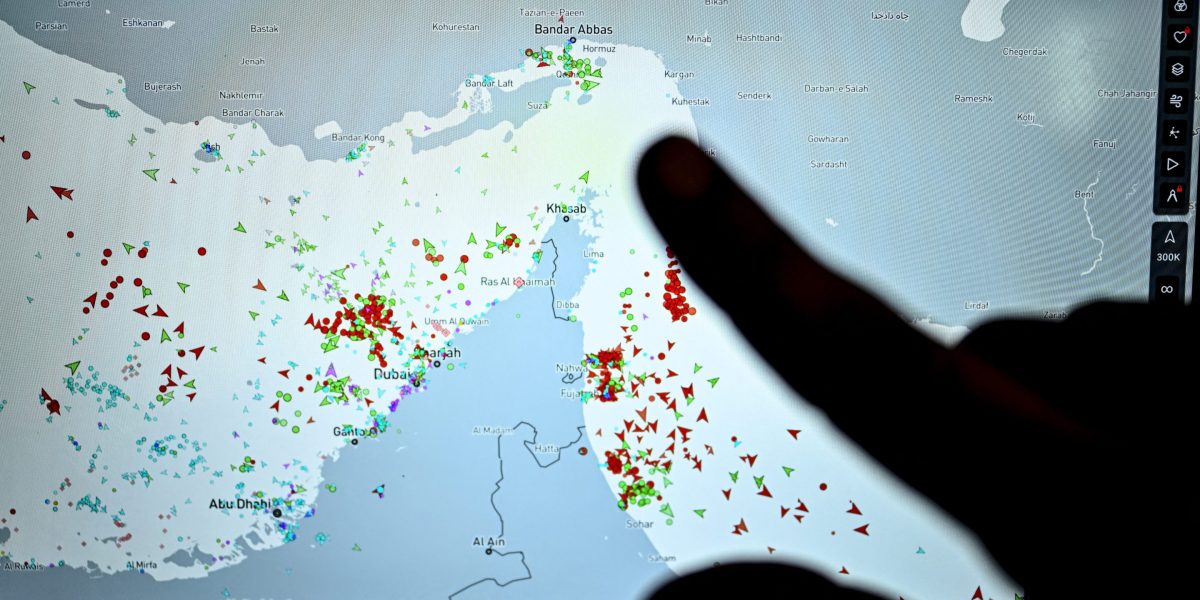
A third of the world's fertilisers normally pass through the Strait of Hormuz and the World Trade Organization (WTO) has warned that the blockade there threatens global food security, particularly in Africa and South Asia.
Germany news

fromwww.theguardian.com
3 weeks agoI tried to live for 24 hours without using oil-based products. It was ridiculously impossible
The head of the University of Sydney's advanced carbon research lab, Prof Yuan Chen, states that the concept of avoiding petrochemicals is misaligned with scientific understanding, as almost all medical consumables come from petrochemical products.
World politics
fromwww.aljazeera.com
3 weeks agoFive charts that show the rise of global militarisation
In 2025, the five biggest military spenders were the United States ($954bn), China ($336bn), Russia ($190bn), Germany ($114bn) and India ($92bn), accounting for more than half (58 percent) of world military spending.
World politics
#energy-crisis
London startup
fromLondon Business News | Londonlovesbusiness.com
3 weeks agoBorrowing costs surge as gilt yields breach crisis-era levels amid oil shock fears - London Business News | Londonlovesbusiness.com
The ongoing Strait of Hormuz standoff is raising energy concerns and impacting global economies, leading to higher borrowing costs and potential interest rate hikes.
Mental health
fromFortune
3 weeks agoYour job can actually kill you: More than 840,000 people die annually from health conditions linked to work stress, ILO report says | Fortune
Work-related psychosocial risks contribute to over 840,000 deaths annually, primarily from cardiovascular disease and mental disorders, impacting global health and economy.
World news
fromLondon Business News | Londonlovesbusiness.com
3 weeks agoMiddle East oil shock could cost the world economy hundreds of billions - London Business News | Londonlovesbusiness.com
A crisis in the Middle East could reduce the global economy by $1 trillion due to disruptions in oil supply and rising energy prices.


fromwww.bbc.com
1 month agoFuel rations and free buses: How countries have responded to rising oil prices
The International Energy Agency (IEA) says it is the 'largest supply disruption in history'. With the disruption expected to have a lasting impact on prices, governments around the world have introduced measures to limit the impact on consumers and the economy.
Europe news
fromwww.theguardian.com
1 month agoCentral bank bosses enlist for war game to gauge threat of Lehman-style bust
The most senior officials from the US Federal Reserve, the European Central Bank, and the Bank of England are expected to take part in a desktop stress test to respond to another Lehman Brothers-style collapse.
World news
fromLondon Business News | Londonlovesbusiness.com
1 month agoUltra-wealthy line up major portfolio shifts as Iran shock drives global reset - London Business News | Londonlovesbusiness.com
"This is a system shock," says Nigel Green, CEO of deVere Group. "You have a material energy supply disruption and a structural shift toward fragmentation."
World news
Europe politics
fromLondon Business News | Londonlovesbusiness.com
1 month agoInternational aid plummets by record 23% as global crisis bite - London Business News | Londonlovesbusiness.com
International aid from DAC members fell by 23.1% in 2025, marking the largest annual decline in official development assistance history.
World politics
fromLondon Business News | Londonlovesbusiness.com
1 month agoWorld leaders avoid military opening of Strait of Hormuz despite continued oil threats - London Business News | Londonlovesbusiness.com
Global leaders prioritize diplomacy over military action in the Strait of Hormuz amid rising tensions and threats from Iran.
fromThe Atlantic
1 month agoChina Watches Trump Blink
The Iranian choke hold on the Strait of Hormuz evidently had a lot to do with it. By cutting off roughly one-fifth of the world's oil supply over the past five weeks, Iran's blockade of that narrow waterway caused an energy crisis and fears of a global recession that the White House could not abide for long.
World politics
fromwww.aljazeera.com
1 month agoEmpty ships and shut wells: Why the Iran war oil crisis is not over yet
After 40 days of fighting, the United States and Iran agreed to a two-week ceasefire, with negotiations expected to begin in Islamabad. One key point in Iran's proposal is allowing shipping to resume through the Strait of Hormuz, which has been closed since the war began, causing global oil prices to soar.
World news
fromFortune
1 month ago2 years ago, Saudi Arabia quietly canceled the 'petrodollar' deal with America that wired the world economy for 50 years. Then war broke out in Iran | Fortune
The so-called 'petrodollar' system wasn't well understood for most of this time, but a secret deal between Henry Kissinger and Saudi Arabia ensured the dollar would remain the dominant reserve currency.
World politics
World politics
fromFortune
1 month agoJamie Dimon defends the U.S. war on Iran - and warns it's pushing the economy into uncharted territory | Fortune
Jamie Dimon warns that ongoing global conflicts, particularly the U.S. war on Iran, are reshaping the economy and dispelling the illusion of a safe world.
[ Load more ]