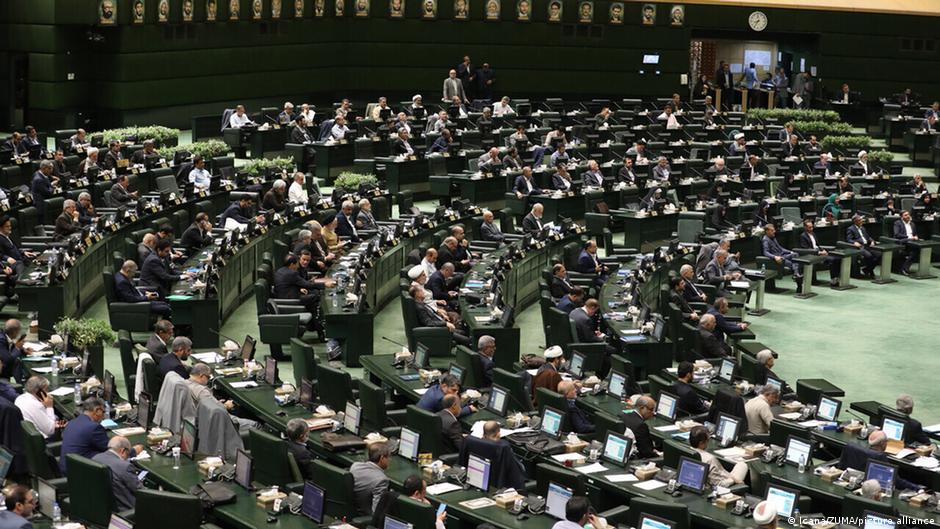
"The high-stakes negotiations were still hanging in the balance on Friday as Israel and Hezbollah continued to trade fire. Tehran has also not fully reopened the Strait of Hormuz, a key artery of global trade through which a fifth of global oil and about a quarter of natural gas shipments passed before the war broke out."
"On the surface, wartime conditions have created the impression of a unified regime, but in reality, there are signs of tension beneath that facade. Some hard-line voices appear to believe that Iran now has the upper hand and should press on rather than compromise."
"The tension was visible in the statement issued by Iran's Supreme National Security Council after the temporary ceasefire was announced. Without naming anyone, it called on all sides to avoid sowing division, a sign the leadership is worried about fractures inside the regime."
"The absence of a clear arbiter capable of bringing together the regime's myriad factions risks turning tactical disagreements into something more destabilizing, say observers."
Negotiators from Iran and the US are set to meet in Islamabad to finalize a two-week ceasefire following six weeks of conflict. Despite the ceasefire, tensions persist as Israel and Hezbollah continue hostilities. Iran has not fully reopened the Strait of Hormuz, crucial for global oil and gas trade. Internally, Iran's regime shows signs of division, with hard-liners advocating for continued aggression while others seek peace. The absence of a clear leader complicates the situation, risking destabilization within the regime as factions disagree on the path forward.
Read at www.dw.com
Unable to calculate read time
Collection
[
|
...
]