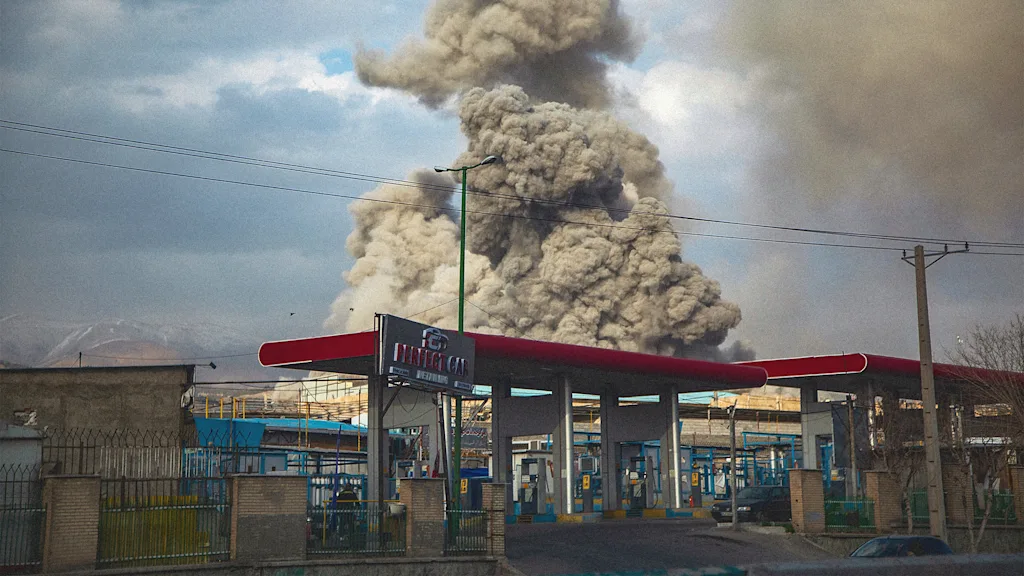
"Oil and gas are global commodities, meaning their prices are affected by global factors. But just how much the Iran war impacts a country's energy market depends on how much that country is dependent on fossil fuels. Unfortunately, Trump has made the U.S. increasingly dependent on these dirty, unstable sources of energy."
"Trump acknowledged this week that America's attacks on Iran are likely to cause oil prices to spike. We're already seeing that effect: the average price for a gallon of gas in the U.S. jumped 11 cents overnight into Wednesday, and experts say oil prices could reach $100 a barrel."
"Some of these places, however, may be better prepared to weather this instability thanks to their reliance on renewable power and batteries. His administration has slashed incentives for wind, solar, and battery development. It also blocked or canceled such projects, while providing tax incentives and fast-tracked permits for oil and gas drilling."
Trump's presidency prioritized fossil fuel development while reducing renewable energy incentives, leaving the United States more exposed to geopolitical disruptions. Following U.S. military action in Iran, oil prices spiked significantly, with gas prices jumping 11 cents overnight and crude potentially reaching $100 per barrel. Global energy markets experienced severe disruptions, including European natural gas prices surging 50% and UK gas prices hitting three-year highs after Qatar halted liquefied natural gas production. Countries with stronger renewable energy infrastructure weathered these price shocks better than fossil fuel-dependent nations. Trump's administration actively blocked renewable projects while providing tax incentives and expedited permits for oil and gas drilling, undermining long-term energy stability and technological competitiveness.
#energy-policy #fossil-fuels-vs-renewables #geopolitical-energy-crisis #oil-price-volatility #energy-security
Read at Fast Company
Unable to calculate read time
Collection
[
|
...
]