"It's one thing if ... we're fighting China and you're developing your model, but once you start selling sexualized chatbots to kids in my state, now I have a problem with that, and I'm going to get involved there, and the Supreme Court is going to back me up on that," Cox said.
Coalie officially debuted on January 22, when Interior Secretary Doug Burgum posted him (it?) on his X account. In the post, which has now been viewed more than 37,000 times, Burgum shared an obviously AI-generated illustration of himself kneeling next to a grinning, bug-eyed piece of coal that's decked out in a yellow coal miner's helmet, vest, and boots. The caption, in part, read "Mine, Baby, Mine!"
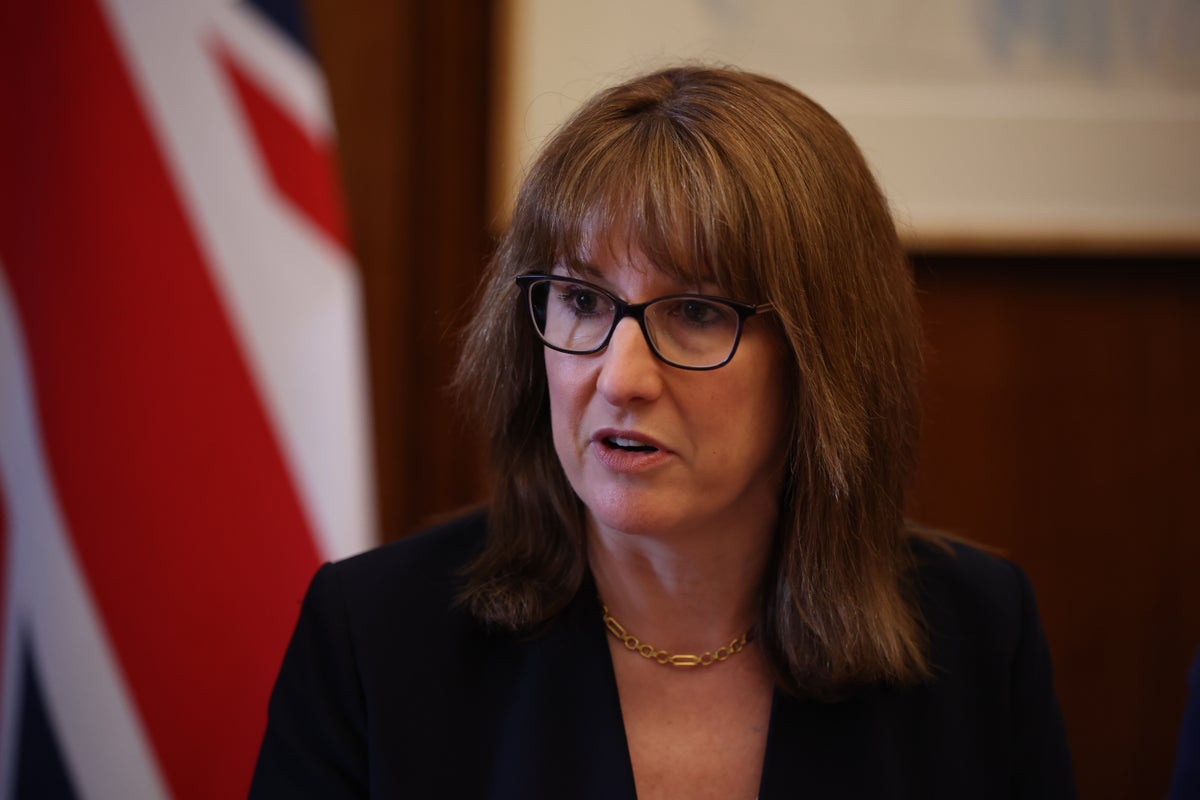
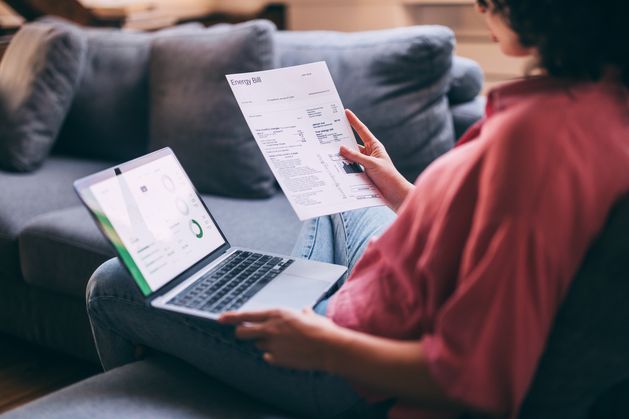
"Families cannot support big winter energy bills right now, so we called for more relief," Energy and Environmental Affairs Secretary Rebecca Tepper said in a statement. "With energy costs rising nationwide, we're going to keep calling for strong action in Massachusetts." "That's why we're going to keep working every day to bring more energy into our state, oppose rate hikes and get charges off bills."
Despite the Trump administration's opposition to renewables, solar power will likely remain part of datacenter energy supply mix due to its low cost. This is according to financial analyst Jefferies, which says in a research note - shared with The Register - that clean energy companies are going "on the offense" and adapting to the changing times in which they find themselves.
He finds that headline figures have fallen dramatically not because net zero has become cheaper, but because public bodies have changed methodologies and relied on increasingly unrealistic assumptions. The CCC now claims that achieving net zero between 2025 and 2050 will cost just £108 billion - down from earlier estimates of over £1 trillion. Turver shows this is done by moving the goalposts from measuring gross costs to comparing against a notional baseline scenario.
The share of renewables in German power production almost stagnated in 2025, data showed Monday, as concerns grow about a shift away from green policies under conservative Chancellor Friedrich Merz. The figure had increased strongly in previous years as Europe's biggest economy aims to reach a goal of green power accounting for 80 percent of its energy mix by 2030.
You may be surprised to learn electricity only accounts for 21 percent of the world's energy consumption. Fossil fuels and the rest all play their part to make the world go around, but their role is likely to diminish no matter what happens. The International Energy Agency believes electricity's share of global energy consumption is going to in the next decade alone.
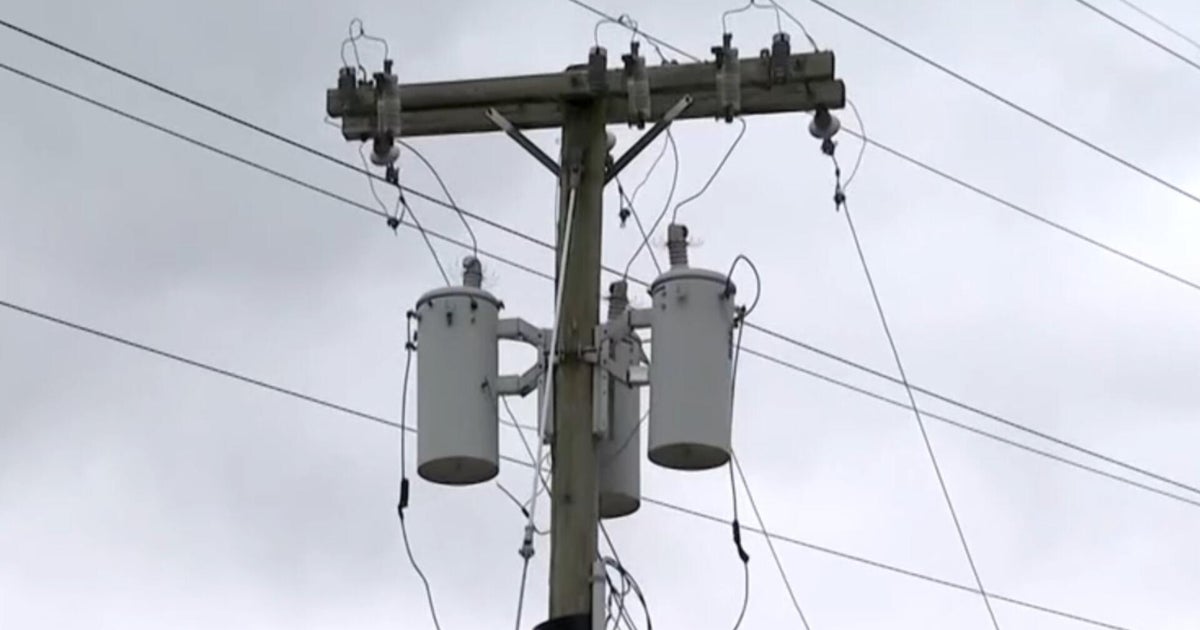
We no longer need as much centralized power generation, yet it is still the planning model used by PG&E and the other investor-owned utilities (IOUs). Instead, the IOUs should be leading the effort to grow local electricity generation through solar panels, wind turbines and batteries. Microgrids should be the main method of distribution, and costly transmission lines should be minimized.