""Sea lanes are absolutely vital to both Japan and South Korea, as they rely on maritime trade for exports and critical imports such as energy, raw materials and food," said Joseph Kristanto, a maritime security analyst at Singapore's S. Rajaratnam School of International Studies."
""If these sea lanes were blocked for an extended period, the impact would be far more than just shipping delays. Energy prices would rise, factories would struggle to maintain production levels, food and input costs would increase and both economies could face a major strategic shock.""
""The South China Sea has been identified as the main flashpoint since China started putting troops ashore on disputed islands in 2012 and constructing airfields and defensive installations.""
""The vulnerability extends beyond a single location. The sea lanes serving Japan and South Korea form a continuous corridor, with the South China Sea being a critical area for global trade.""
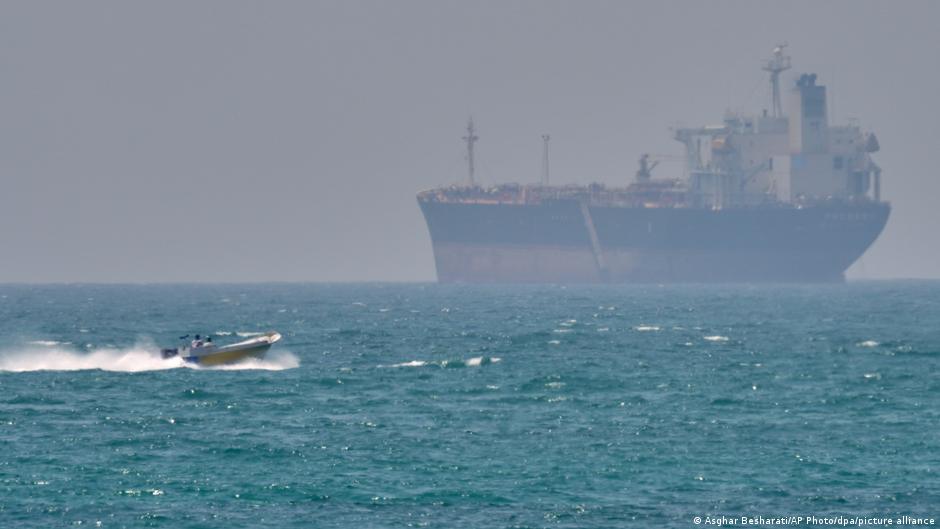
The US-Iran standoff has disrupted international oil and gas trade, with lasting effects anticipated even if a deal is reached. Japan and South Korea heavily depend on the Strait of Hormuz for their energy needs, with Japan relying on it for 93% of its crude oil and South Korea for 70% of its oil and 20% of its natural gas. A potential crisis in the South China Sea could exacerbate these vulnerabilities, impacting trade and energy prices significantly.
Read at www.dw.com
Unable to calculate read time
Collection
[
|
...
]