#us-iran-relations
#us-iran-relations
[ follow ]
#diplomacy #strait-of-hormuz #middle-east-conflict #ceasefire #oil-prices #nuclear-negotiations #pakistan
#strait-of-hormuz
World news
fromFortune
12 hours agoThe U.S. is ready to seize Iran-linked ships with boarding parties, report says, while Marines practice maritime raids | Fortune
The fragile ceasefire between the U.S. and Iran deteriorated, escalating tensions in the Strait of Hormuz and impacting global shipping and energy markets.
World politics
fromFortune
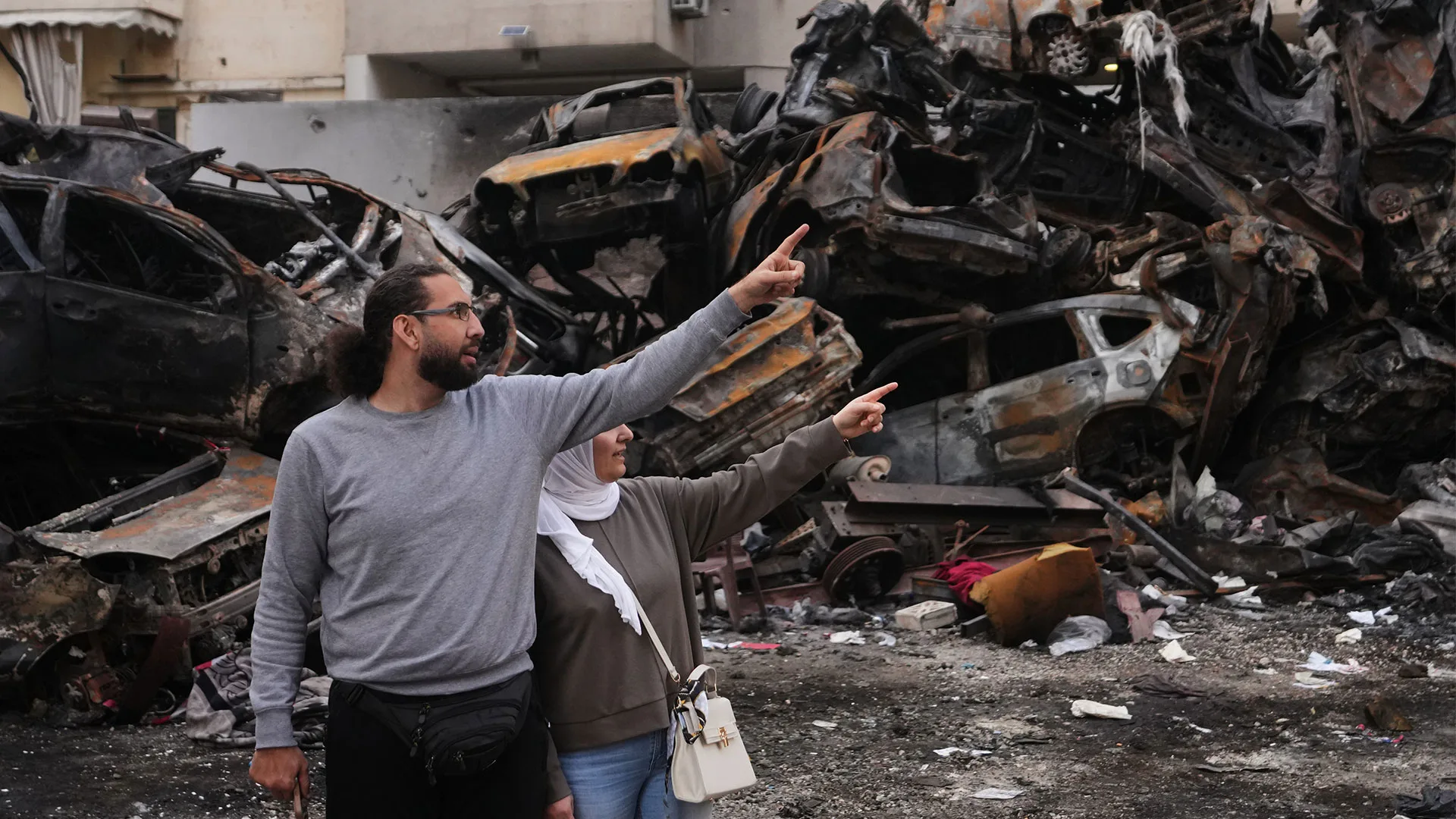
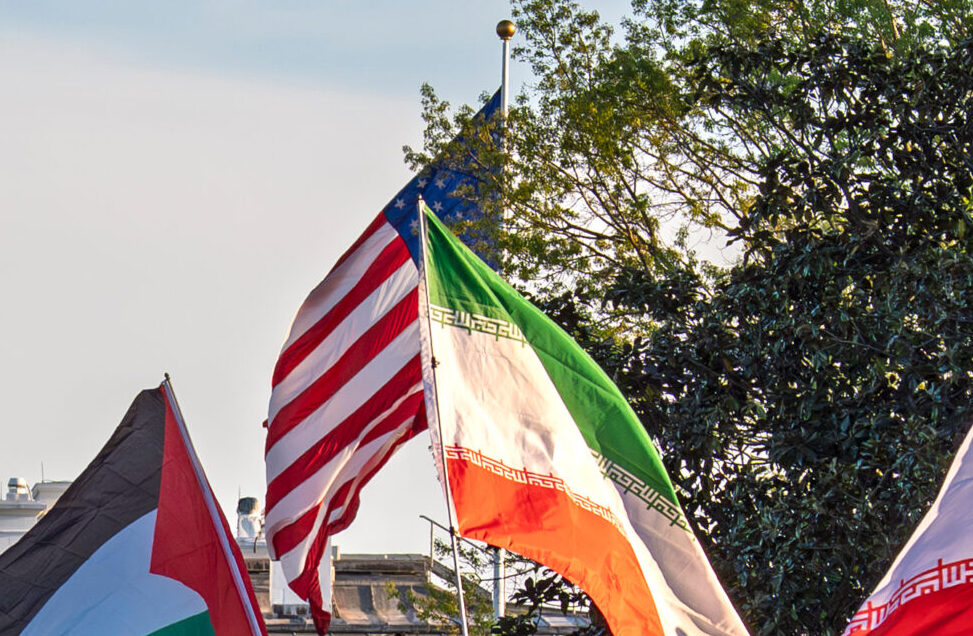
3 days agoIran and the U.S. live in 2 different worlds, law of the sea expert says-and both of those are different from most maritime law | Fortune
The Strait of Hormuz is politically contested, with the U.S. viewing it as international waters and Iran considering it territorial waters.


#diplomacy

World news
fromwww.mediaite.com
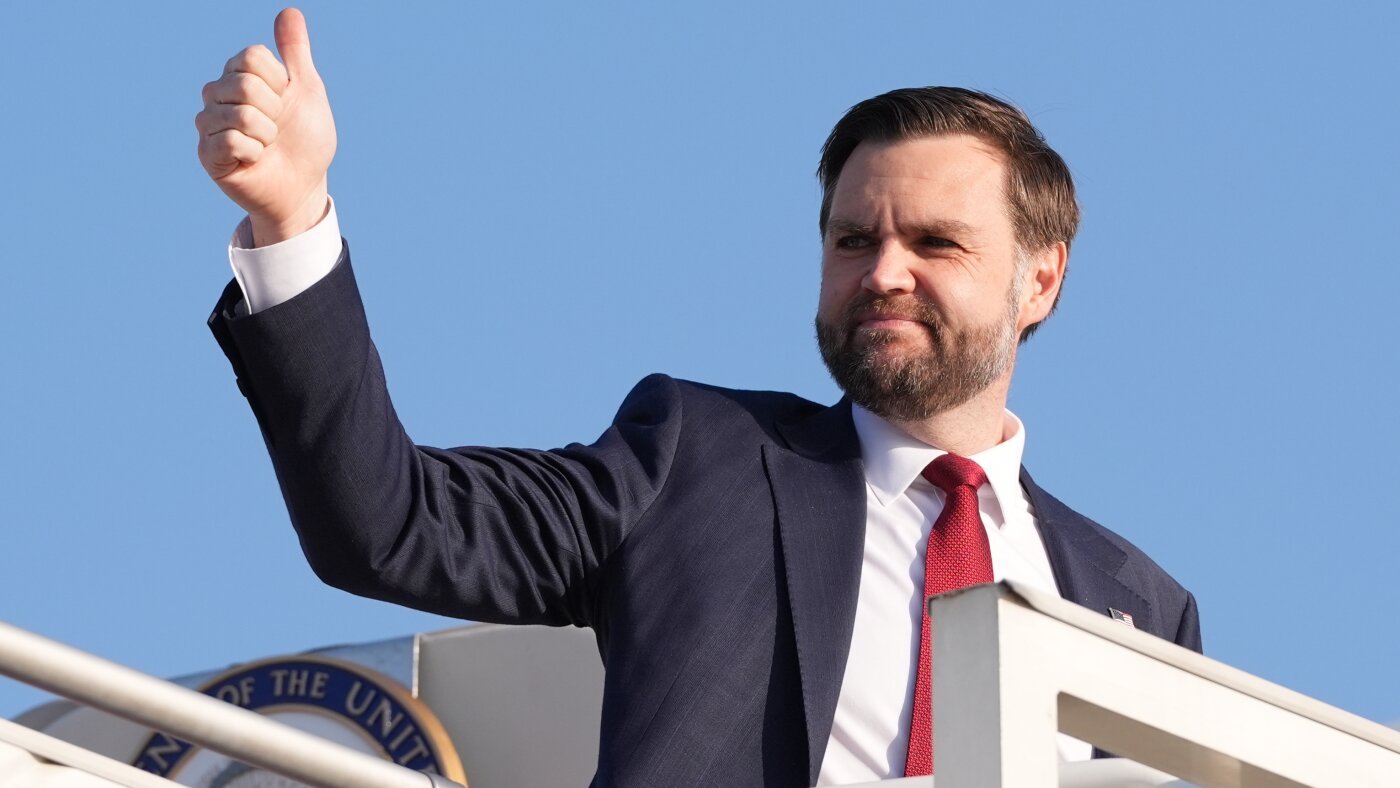
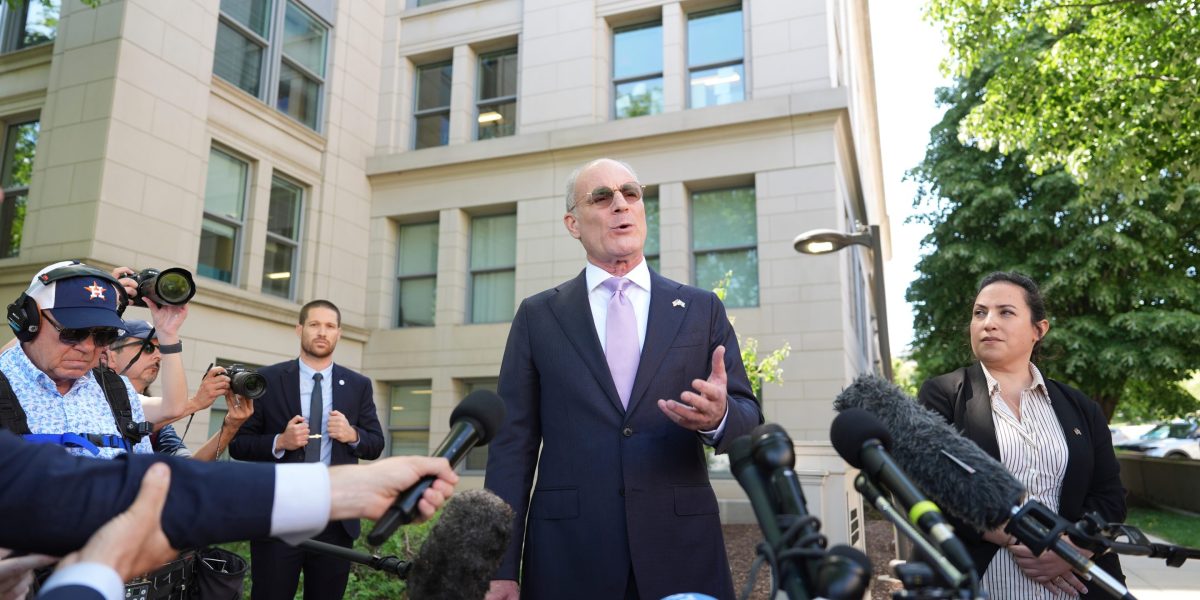
1 week agoJD Vance Shares Bad News' That US and Iran Couldn't Reach a Deal in Pakistan: They Have Chosen Not to Accept Our Terms'
Negotiations between the U.S. and Iran failed to reach an agreement to end the war, with Iran rejecting U.S. terms, particularly on nuclear commitments.
World news
fromwww.mediaite.com
1 week agoJD Vance Shares Bad News' That US and Iran Couldn't Reach a Deal in Pakistan: They Have Chosen Not to Accept Our Terms'
Negotiations between the U.S. and Iran failed to reach an agreement to end the war, with Iran rejecting U.S. terms, particularly on nuclear commitments.
fromwww.dw.com
2 days agoThe immense cost of Iran's nuclear program
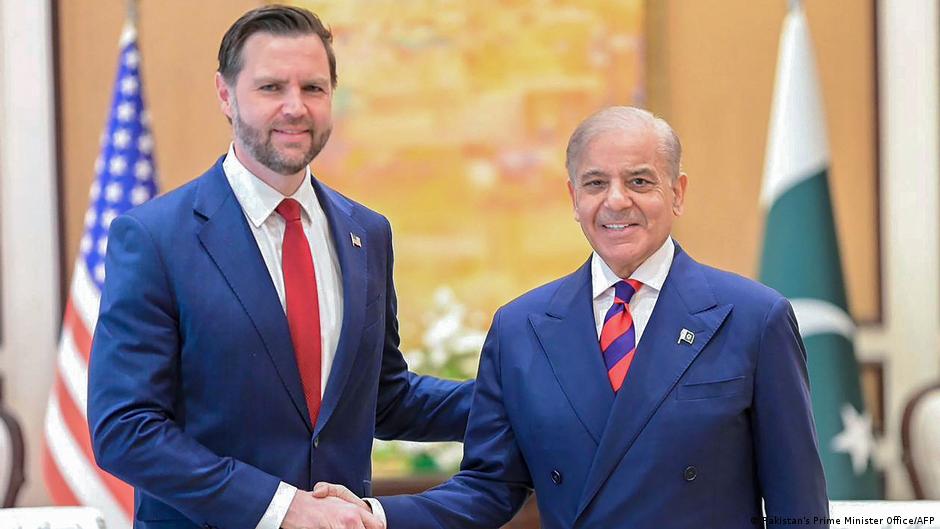
US Vice President JD Vance stated that Washington's core demand is for Tehran to commit 'to not having a nuclear weapon.' He emphasized that if Iran agrees to these terms, the US is 'going to make Iran thrive' and that a deal with the Trump administration would allow Iran to 'prosper and join the world economy.'
World news

#ceasefire-negotiations


World news
fromFortune
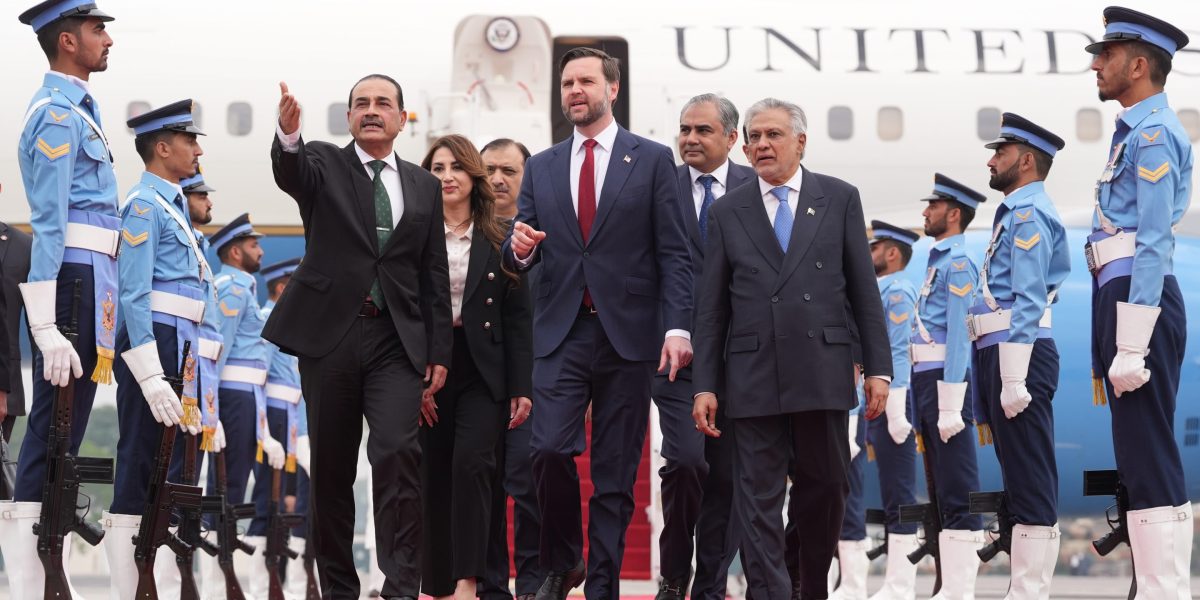
1 week agoJD Vance begins talks with Iran in Pakistan while Trump claims U.S. has begun 'clearing out' the Strait of Hormuz | Fortune
Negotiations between the U.S. and Iran have begun in Pakistan amid a fragile ceasefire, focusing on reducing Israeli strikes and addressing Iranian demands.



fromLondon Business News | Londonlovesbusiness.com
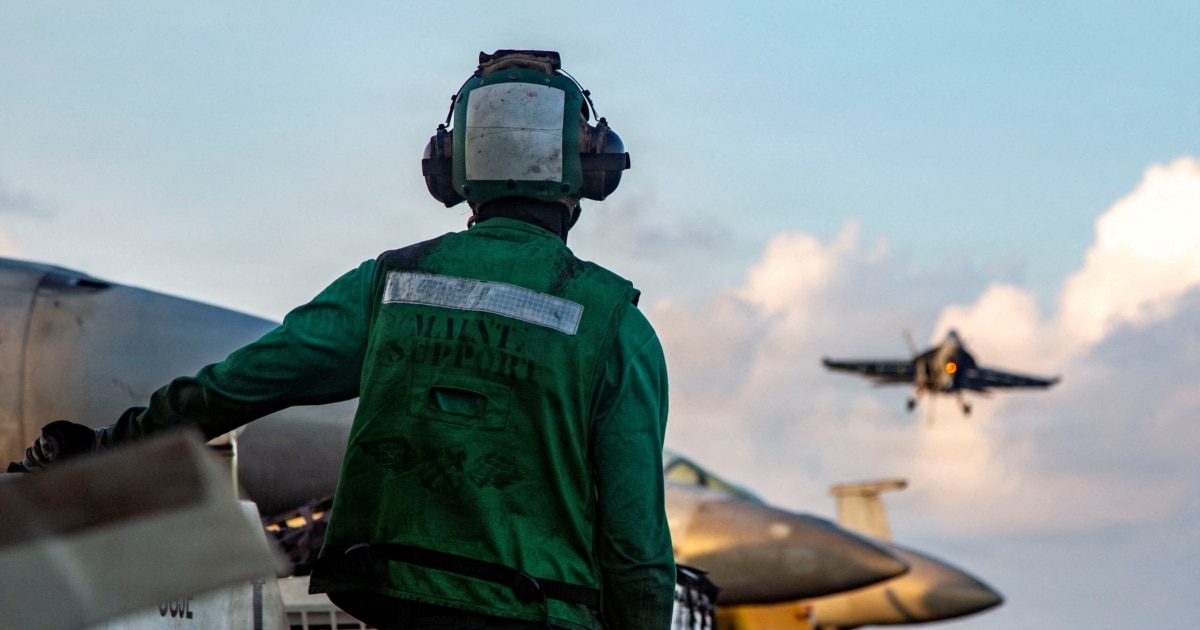
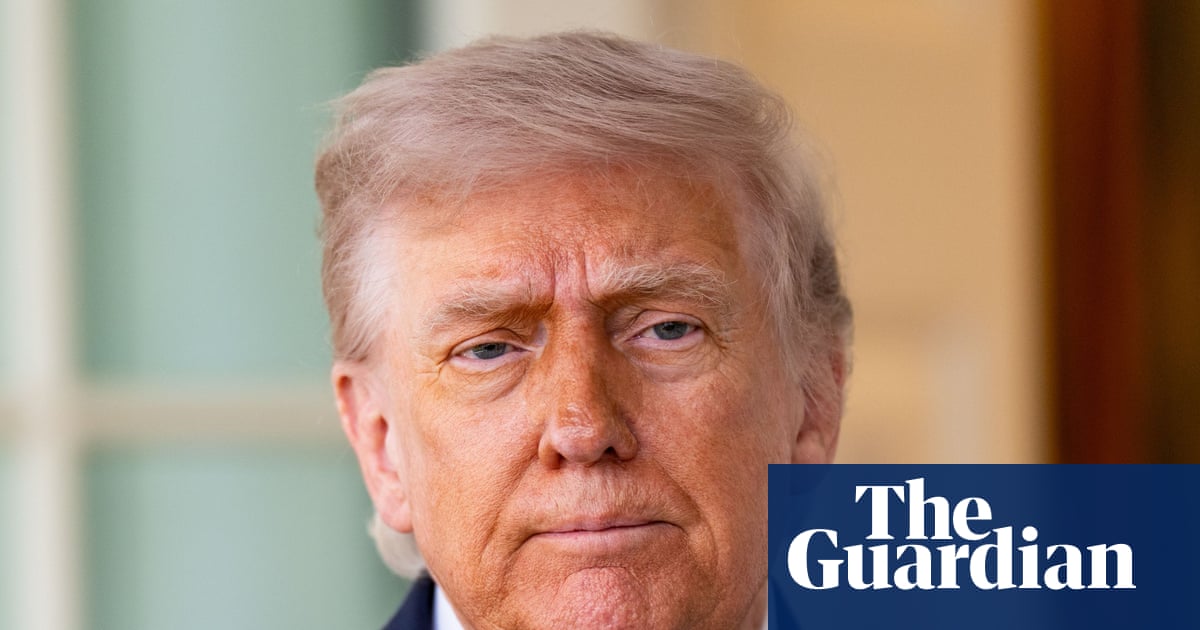
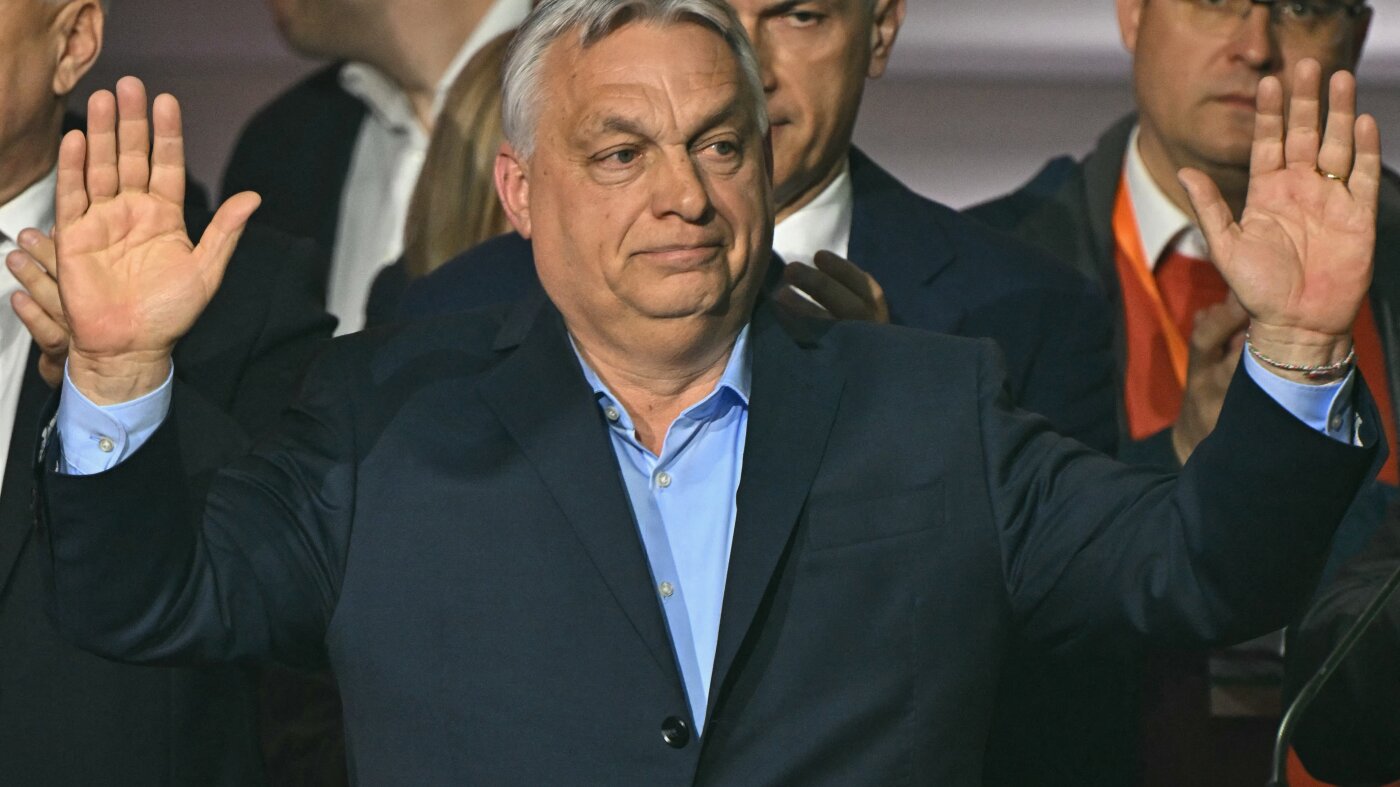
5 days agoTrump claims Iranian navy is 'obliterated' grip near Hormuz is tightened - London Business News | Londonlovesbusiness.com
President Trump stated that Iran's naval forces were 'lying at the bottom of the sea' and warned that any ships approaching the blockade would be 'immediately ELIMINATED.' He compared the blockade enforcement to US counter-narcotics operations at sea.
World news
fromsfist.com
6 days agoSunday Links: California Hit With Thunder, 30,000 Lightning Strikes Over the Weekend
After 21 hours of talks, US and Iran did not reach a deal to end the war, as Vice President JD Vance said talks stalled after the US made a final offer pushing for stronger guarantees that Iran won't develop nuclear weapons.
US news
fromLondon Business News | Londonlovesbusiness.com
6 days agoStarmer urges restraint after collapse of US-Iran talks as Strait of Hormuz tensions flare - London Business News | Londonlovesbusiness.com
The Prime Minister intervened diplomatically after 21 hours of negotiations in Pakistan ended without an agreement on Iran's nuclear program, raising fears of renewed confrontation between the United States and Iran in one of the world's most strategically sensitive maritime corridors.
World news
fromwww.aljazeera.com
1 week agoUS and Iran fail to reach peace deal after marathon talks in Pakistan
Vice President JD Vance stated, 'The bad news is that we have not reached an agreement, and I think that's bad news for Iran much more than it's bad news for the United States of America.' He emphasized the need for Iran to show a fundamental commitment to not developing nuclear weapons.
World news
#ceasefire-talks
World news
fromFortune
1 week agoNavy tests Hormuz blockade as expert says U.S. military prepares for round 2 and could degrade Iran's hold over the strait to a 'manageable level' | Fortune
Ceasefire talks between the U.S. and Iran have begun, but military tensions and potential clashes continue to escalate in the region.
[ Load more ]