"But then, after studying koans at the Zen Center of Los Angeles with John Daishin Buzsbazen, I learned a bit more: A koan is a short Zen teaching story or paradoxical question designed to interrupt the brain's usual habit of problem-solving. It's not a puzzle you "get right." It's more like a mental crowbar. You try to answer it, your mind fails, and eventually the usual machinery of analysis exhausts itself. Something else gets a chance to speak."
"In practice, it feels like being told to tune into a secret radio frequency without being given the dial. Daishin would say, "Don't answer from your head. Answer from somewhere deeper." So I would attempt to descend into myself like an amateur spelunker. I would pause. I would listen. I would encounter echoes of thought, emotional static, faint internal weather. No booming oracle voice would arrive. Just me, waiting, trying not to narrate the waiting."
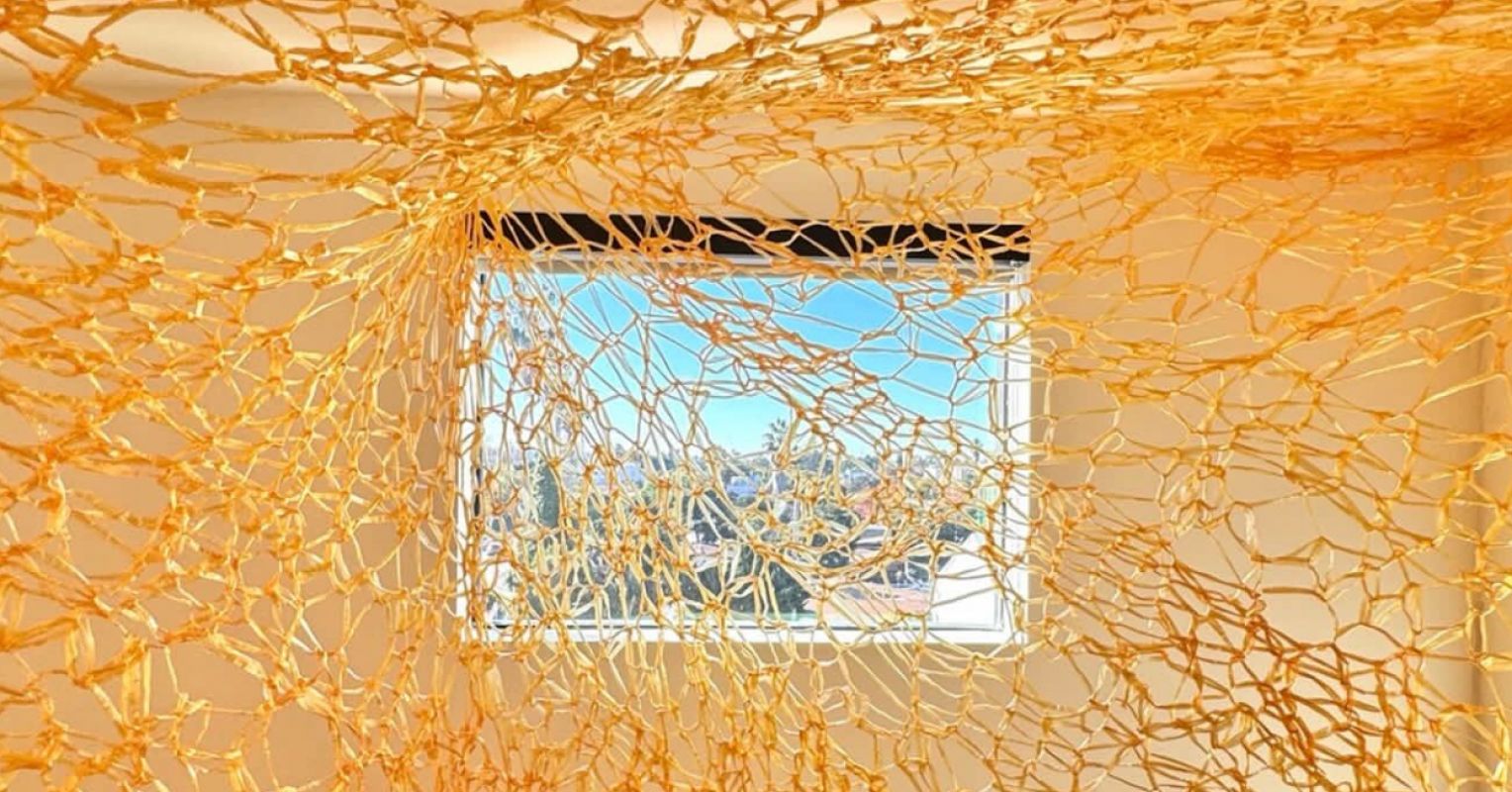
Koans function as short Zen teaching stories or paradoxical questions designed to interrupt the brain's habitual problem-solving machinery. Practitioners are instructed to answer from a place deeper than the intellect, using the koan to exhaust analytical strategies so a different mode of insight can arise. The practice can feel like trying to tune into a secret frequency without instructions, producing internal echoes rather than clear answers. An art exhibition titled Gateless Gate: Ritual of Returning, curated by Ann Shi at poco art collective in Culver City, presents koan-inspired works without explanatory signage to encourage direct, instructionless engagement.
Read at Psychology Today
Unable to calculate read time
Collection
[
|
...
]