#amateur-journalism-nick-shirley
#amateur-journalism-nick-shirley
[ follow ]
#student-journalism

Higher education
fromPoynter
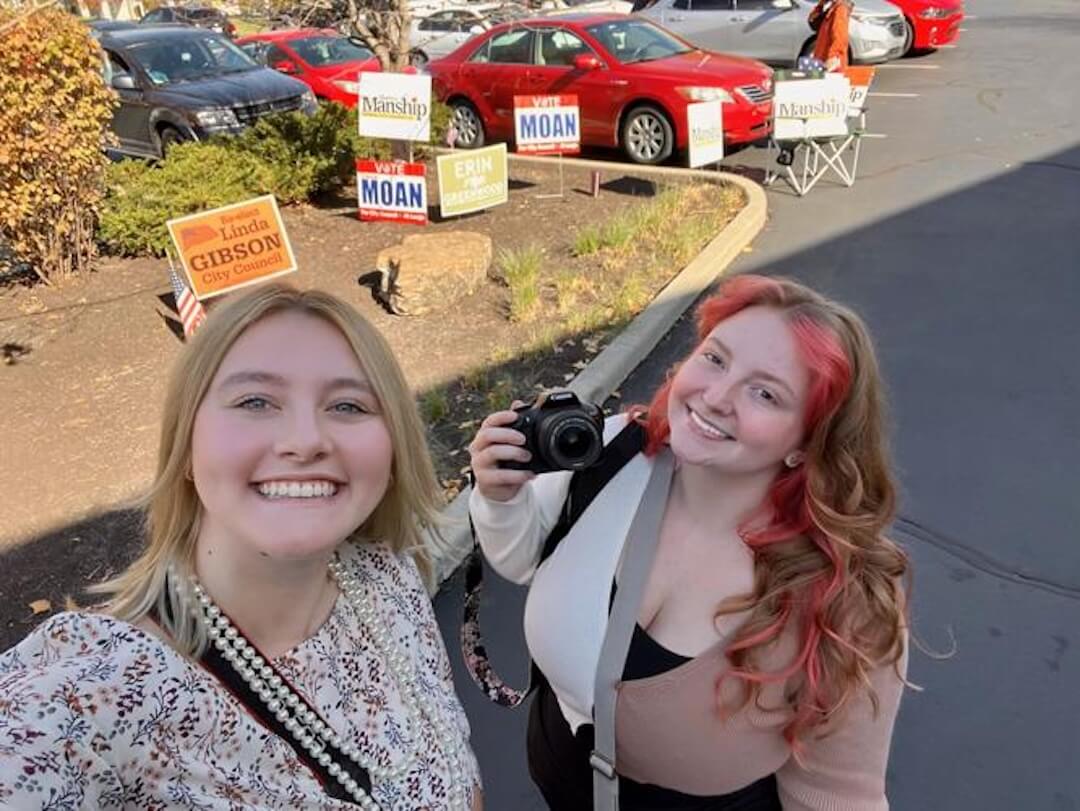
1 week agoStudent journalists may produce a quarter million bylines a year. Here's what that looks like - Poynter
Student journalists are actively producing a significant volume of work, contributing to campus life and press freedom despite challenges faced by student media.

Media industry
fromSlate Magazine
4 hours agoIt Was a Bold, Multimillion-Dollar Experiment. They Wanted to Change Cable News Forever. What They Actually Did Was Far More Revealing.
Modern cable news struggles due to partisanship, prompting networks like NewsNation to adopt a centrist approach to attract viewers.

#press-freedom
US politics
fromwww.theguardian.com
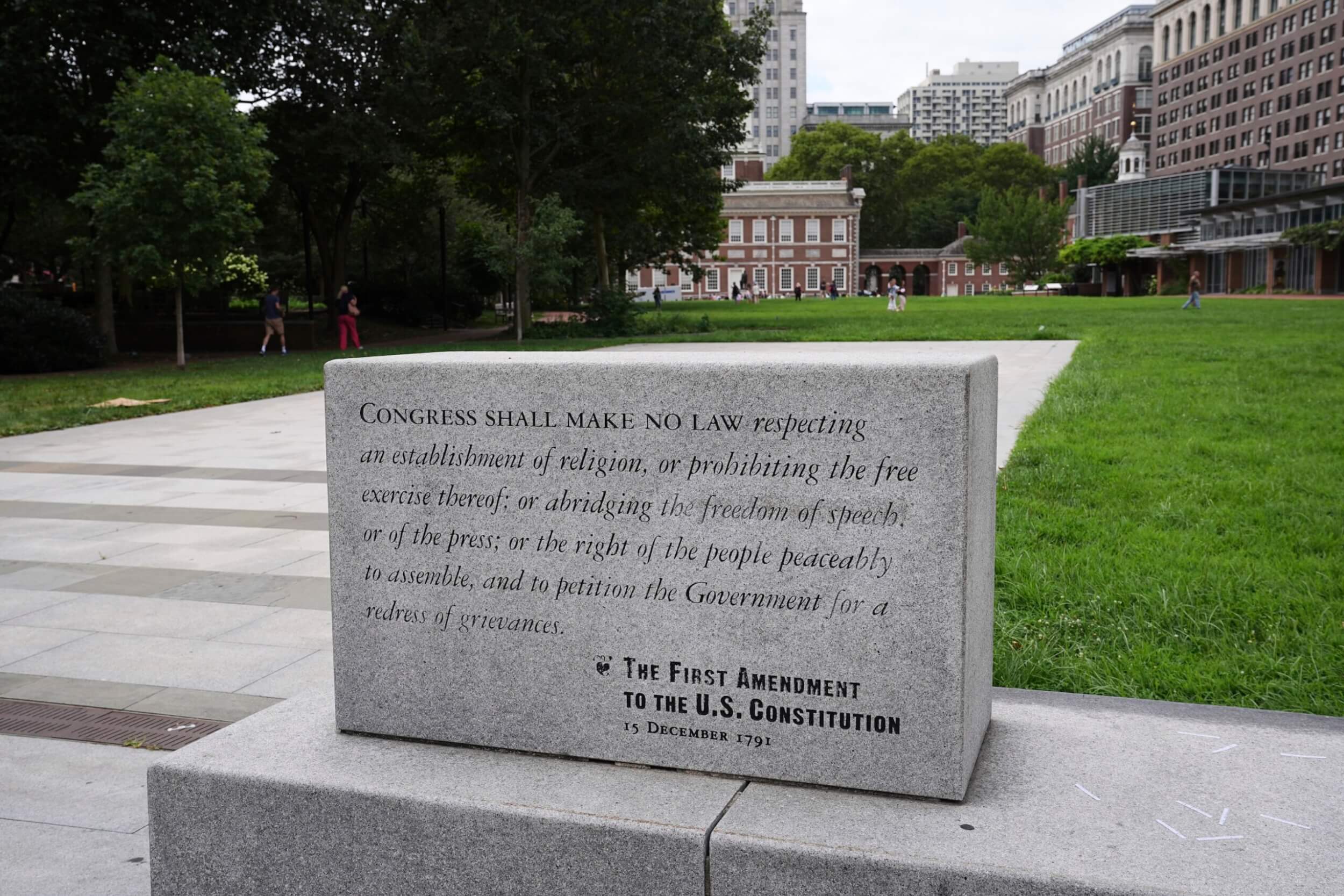
5 days agoA journalist filmed an ICE protest at a Minnesota church. Then federal agents showed up at her door
Journalist Georgia Fort livestreamed her arrest, highlighting concerns over press freedom and constitutional rights amid charges related to covering a protest.
US politics
fromwww.theguardian.com
5 days agoA journalist filmed an ICE protest at a Minnesota church. Then federal agents showed up at her door
Journalist Georgia Fort livestreamed her arrest, highlighting concerns over press freedom and constitutional rights amid charges related to covering a protest.

#independent-journalism

fromPoynter
4 days agoPoynter names 20 journalists selected for competitive 2026 Leadership Academy - Poynter
"Too many leaders find themselves at the midpoint of their careers, or in senior positions, without leadership training. This program provides a space where they can learn from peers and Poynter facilitators about what makes a great leader, mentor, manager and coach."
Media industry



fromThe Walrus
1 month agoJournalists Parachuted into Tumbler Ridge. What Counts as Decent Reporting in a Crisis? | The Walrus
For the first day, I was the first person on the scene, and then my phone died. So, I went home and was reporting from there as the information was coming out, and I was getting more and more media requests. I started saying yes, not because I thought I had the right to tell this story, but mostly because I knew that reporters-or let's say some reporters-have a tendency to not be sensitive in these situations.
Canada news
Media industry
fromPoynter
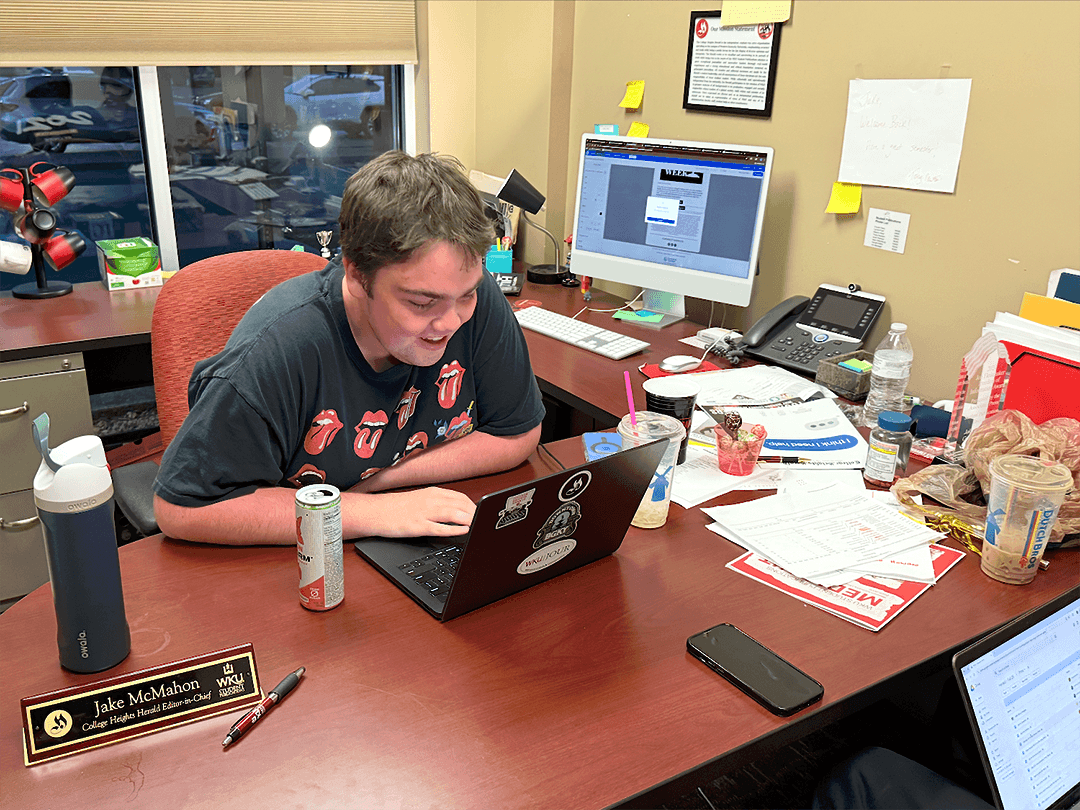
1 week agoStudent newspapers still dominate campuses. This newsletter shows what else is possible. - Poynter
Tomo Chien's newsletter, Morning, Trojan, offers a unique independent news source for USC students, blending hard news with humor and engaging a large subscriber base.
Miscellaneous
fromThe Walrus
1 month agoHe Was a Legendary Newsroom Colleague. Turned Out He Had a Secret Past | The Walrus
An unexpected July 2020 email led to remembering Charles Saunders, a towering Halifax editor known for fierce editorials, playful newsroom presence, and mysterious American origins.
US news
fromPoynter
1 month agoWhat do we learn about local newsrooms by looking at their Olympics coverage? - Poynter
Media conglomerates enable local newsrooms to cover global sporting events like the Olympics by providing resources, technology, and infrastructure that individual outlets cannot afford independently.
Media industry
fromNieman Lab
1 month agoA new report looks at 559 funding proposals to determine local journalism's biggest problems
Local journalism funding suffers from too many competing nonprofit solutions, inefficient intermediaries, and philanthropic institutions failing to select viable winners or allow unsuccessful projects to fail.
fromNieman Lab
2 months agoJournalism lost its culture of sharing. Here's how we rebuild it
If you've worked in a technical role in news for long enough, you likely remember when the "show your work" spirit was everywhere. Newsroom nerds shared code on GitHub, swapped tips on social media and unfurled long blogs guiding others on how to get things done. You might also have a vague sense that - like reaction GIFs, demotivational posters, and that guy who sang "Chocolate Rain" - you're seeing less of it these days.
Media industry
fromNieman Lab
1 month agoIt's time for local news funders to pick winners, scale up, and force mergers, a new report argues
Press Forward made almost $23 million in grants to 22 organizations aimed at bolstering the infrastructure for local news. The grants were the culmination of a request for proposals process that began accepting applications in November 2024, and elicited 559 proposals.
Media industry
fromHer Campus
1 month agoNo more newspapers: The crisis of local journalism
For Northwestern University's 2025 news report, they estimated that almost 40% of all local U.S. newspapers have vanished, leaving 50 million Americans with limited or no access to a reliable source of local news. The local newspapers that haven't closed their doors have immensely reduced their operations, cutting the amount of reporters in the newsroom from hundreds to just dozens and working out of rented office spaces instead of downtown buildings.
Media industry
fromNieman Lab
2 months agoJournalism coops seem utopian. What's it like working in one?
The pandemic changed Defector's course. New York shut down, the economy ground to a halt, and the offers of capital dried up. So the group decided to launch a new website on their own dime, this time structured as a worker-owned cooperative in which the journalists, rather than media executives, made all the decisions. The site became the kind of success that's rare in digital media nowadays, bringing in $3.2 million in revenue from over 40,000 paying subscribers in its first year alone.
Media industry


[ Load more ]