#art-historical-evidence
#art-historical-evidence
[ follow ]
#contemporary-art #art-history #art #photography #creativity #art-market #marcel-duchamp #art-fairs #modern-art




Arts
fromThe Art Newspaper - International art news and events
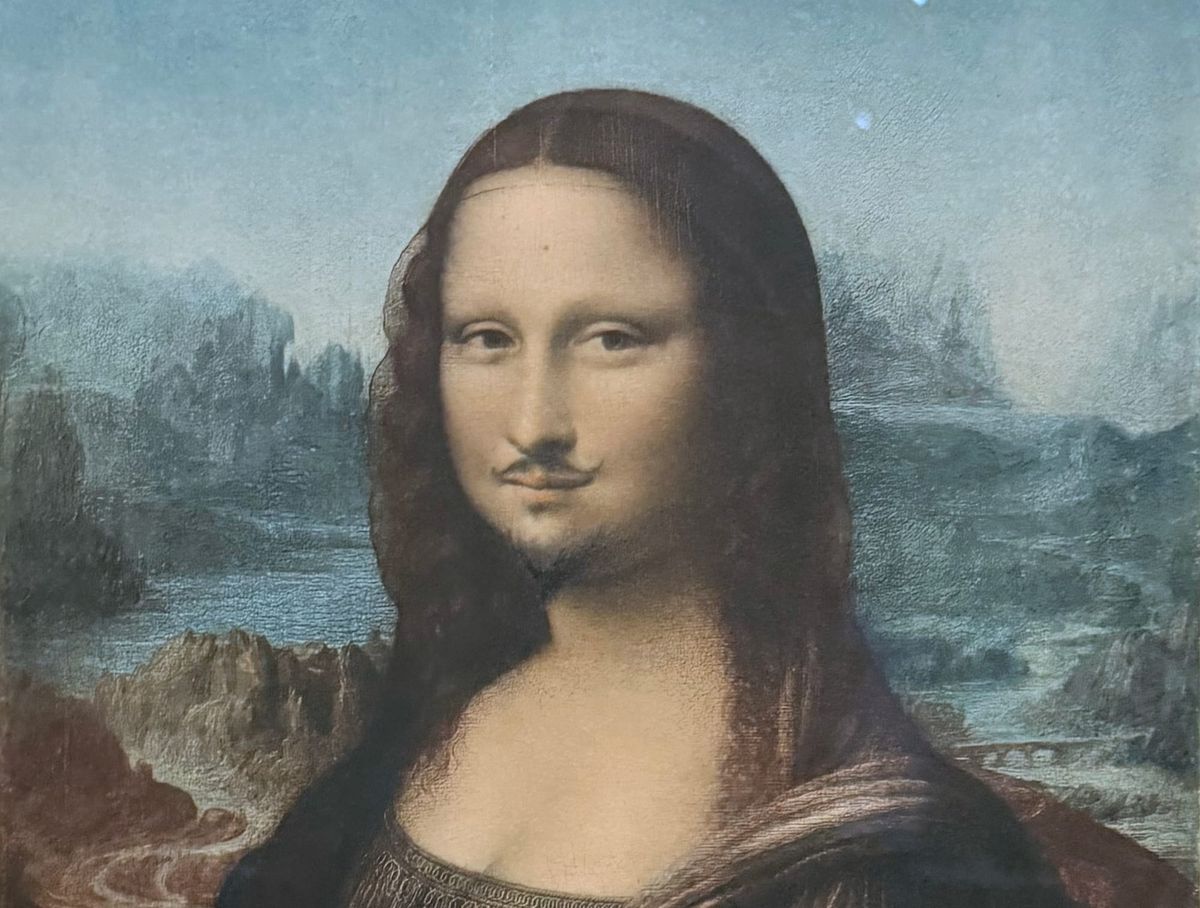
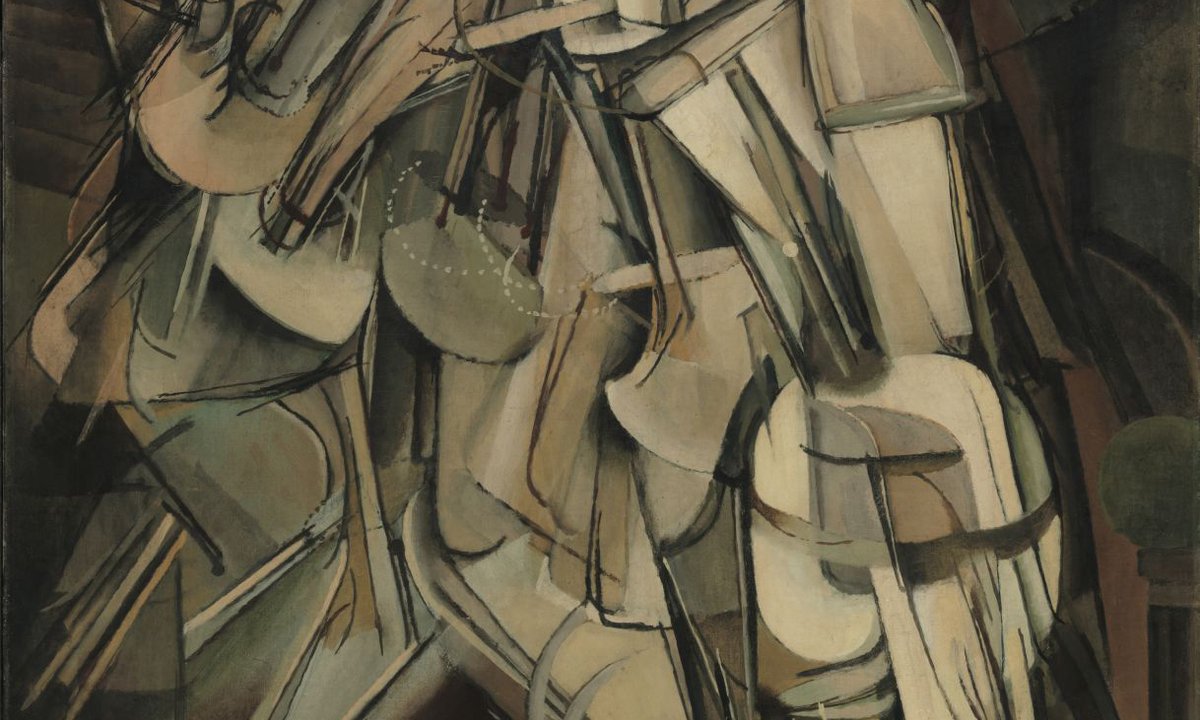
3 days agoMarcel Duchamp at MoMA, Dorothea Tanning book, Leonora Carrington at the Freud Museum, London-podcast
Three artists connected to Surrealism are highlighted, including exhibitions and publications about Marcel Duchamp, Dorothea Tanning, and Leonora Carrington.

fromThe Art Newspaper - International art news and events
5 days agoPressing issues: the vital role of printmaking in the history of art
Yale came to me and said there isn't an overarching book about the history of printmaking; they wanted it to be about the printed image. There are a lot of books about printing-about the history of journalism or the history of books, the printing press and the printed word-but not so much about the printed image and its processes. So that was my challenge.
Arts
Miscellaneous
fromThe Art Newspaper - International art news and events
1 month agoComment | Art is more than its original context
Understanding art's original context enriches appreciation, yet modern viewing conditions and lost contexts require adapting how we engage with artworks across different settings and time periods.
fromThe Art Newspaper - International art news and events
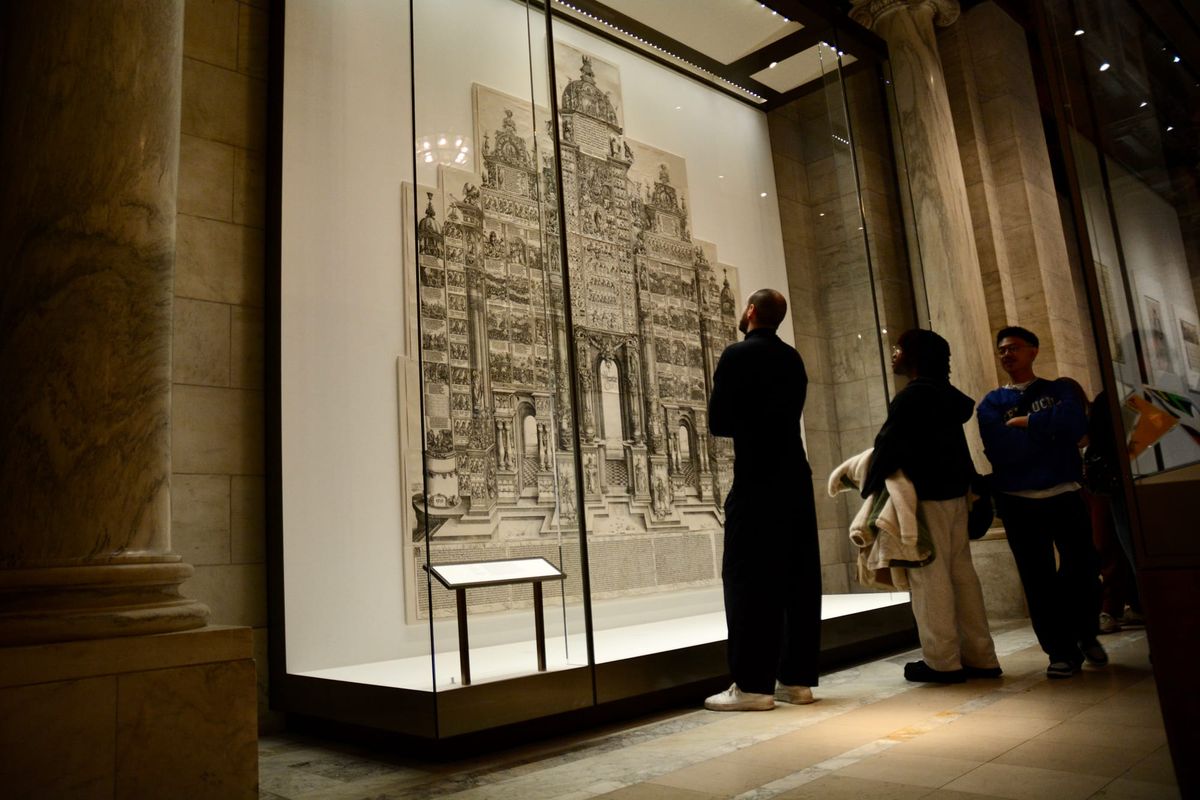
4 days agoLondon's V&A launches webpage exploring provenance of its objects
The new webpage, entitled 'How have objects come to be in the V&A?', points out that for some objects, their journeys have involved known histories of violence, coercion or injustice, while for others there remains uncertainty over exactly how they came to be here.
Arts
Arts
fromThe Art Newspaper - International art news and events
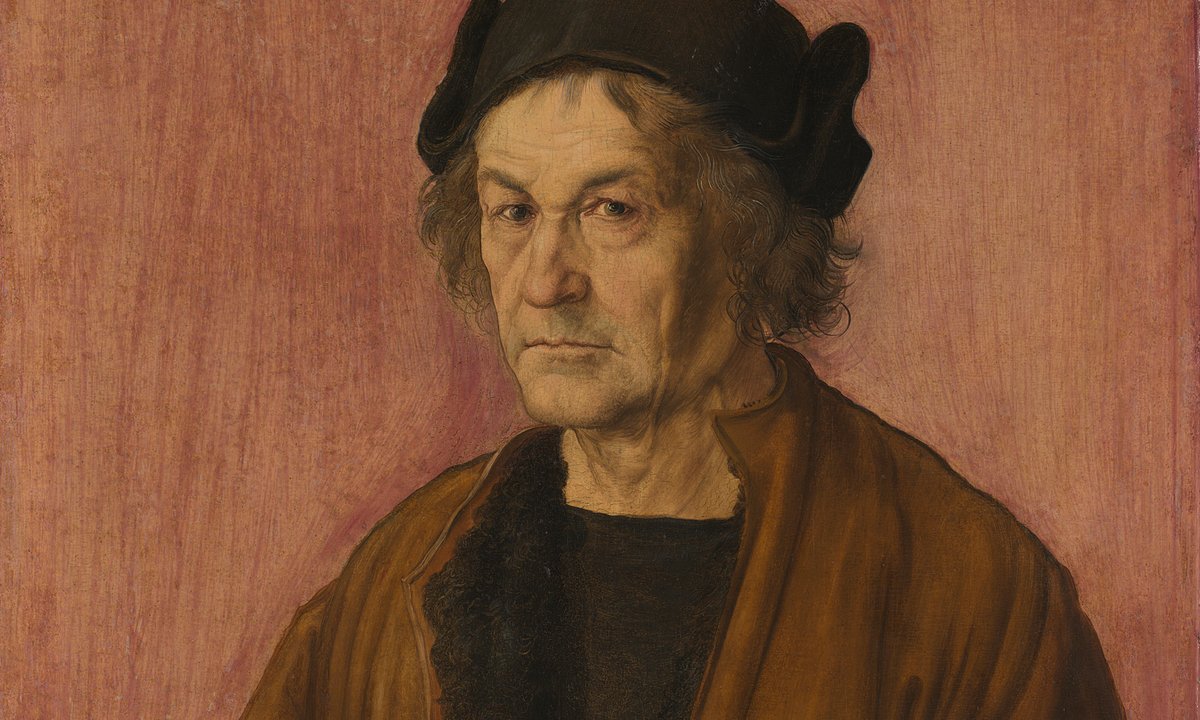
6 days agoLalanne mirrors owned by Yves Saint Laurent and a classic Diane Arbus photo: our pick of the April auctions
Claude Lalanne's mirrors, once in Yves Saint Laurent's apartment, are set for auction with a high estimate after being previously sold for €1.8m.
fromHyperallergic
1 week agoThe Art World Is a Joke
Kamrooz Aram is everywhere this year, from Mumbai Art Week to the Whitney Biennial, and critic Aruna D'Souza is grateful. She pens a beautiful meditation on his work, reading his abstract paintings as not simply a denunciation of Western modernism nor a reassertion of Islamic visual motifs, but something else entirely - something gestural, exuberant, riotous, and incomparably his own.
Arts
fromThe Art Newspaper - International art news and events
2 weeks agoComment | Museums must be the leaders in a moral revolution
Bregman claims, 'Today the whole of Europe risks turning into one big Venice, a beautiful open-air museum. A great destination for Chinese and American tourists. A place to admire what was once the centre of the world.' This statement encapsulates the concern that Europe is losing its cultural significance.
Arts

fromHyperallergic
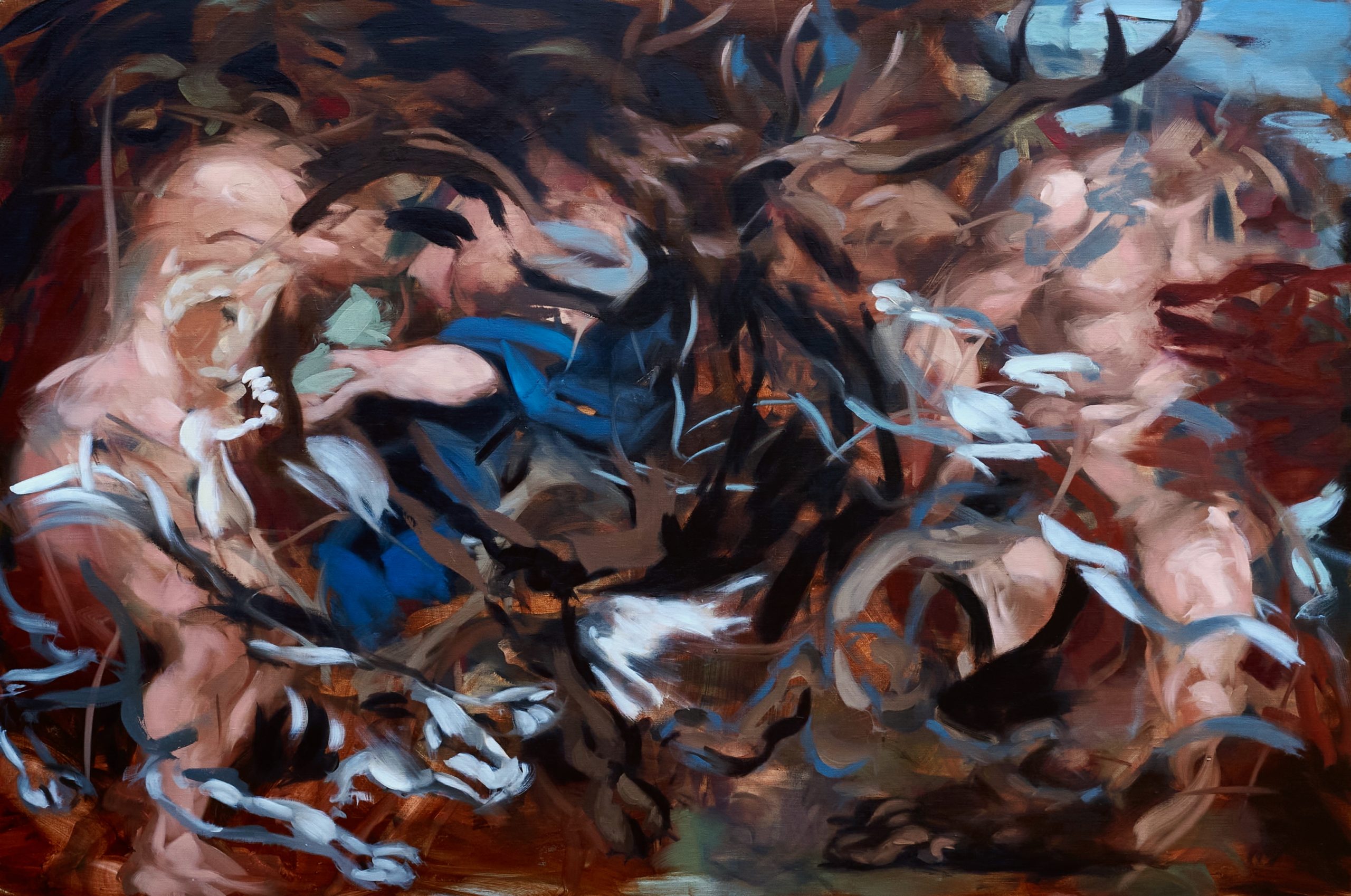
1 month agoEmbracing Friction in the Art World
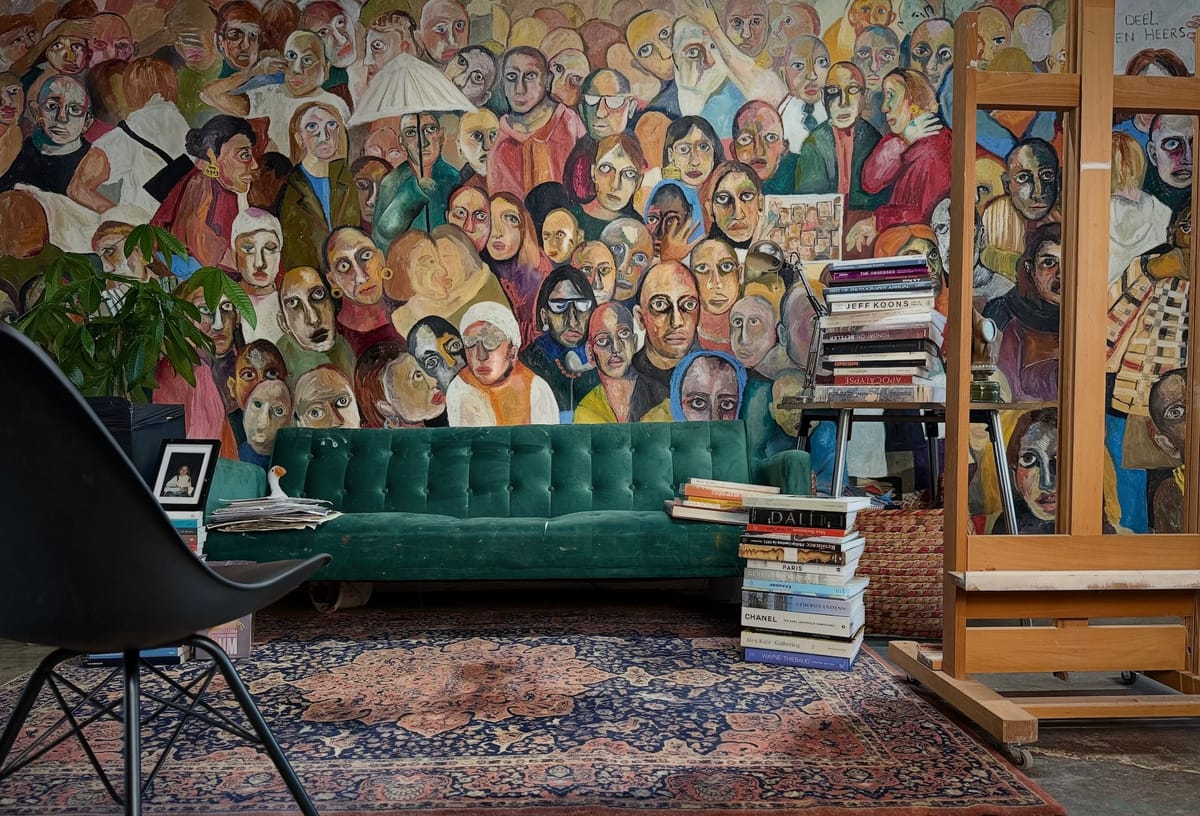
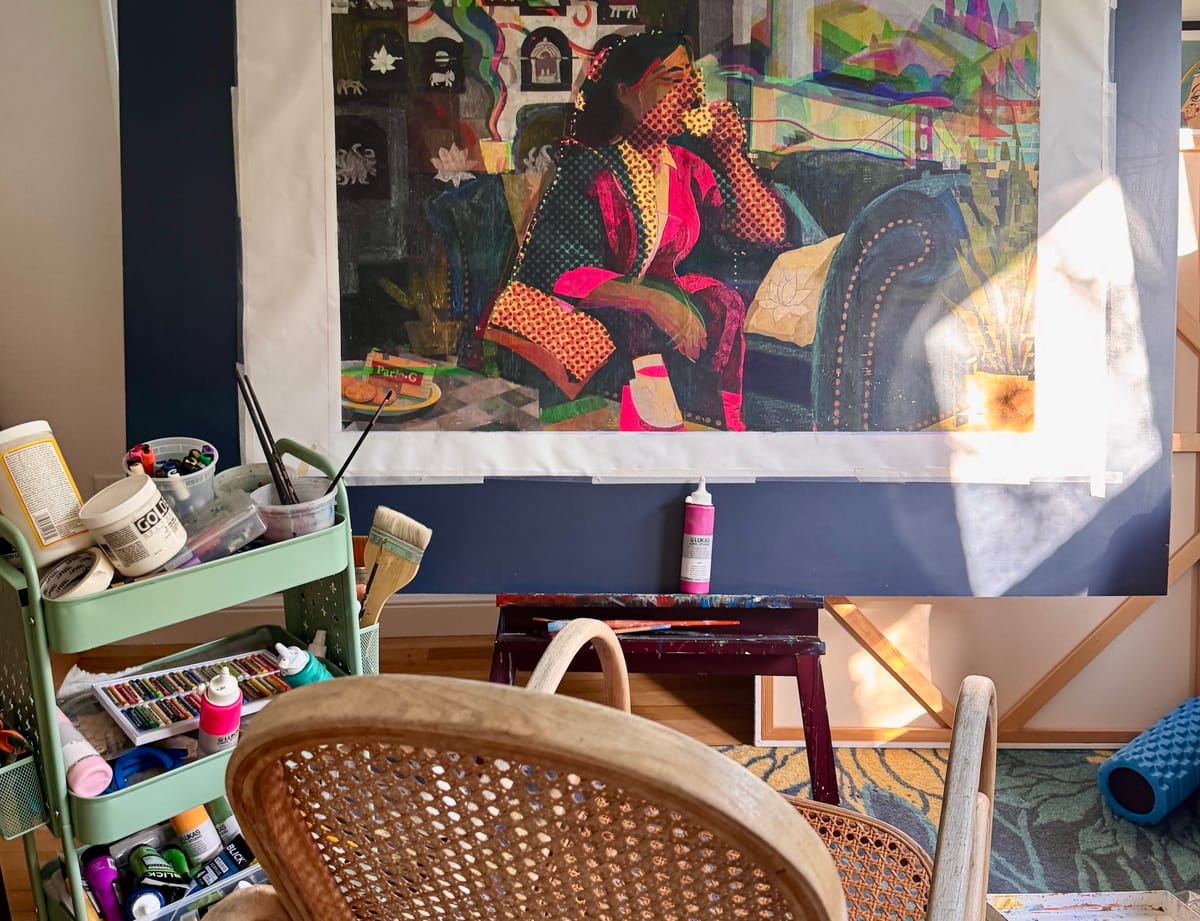
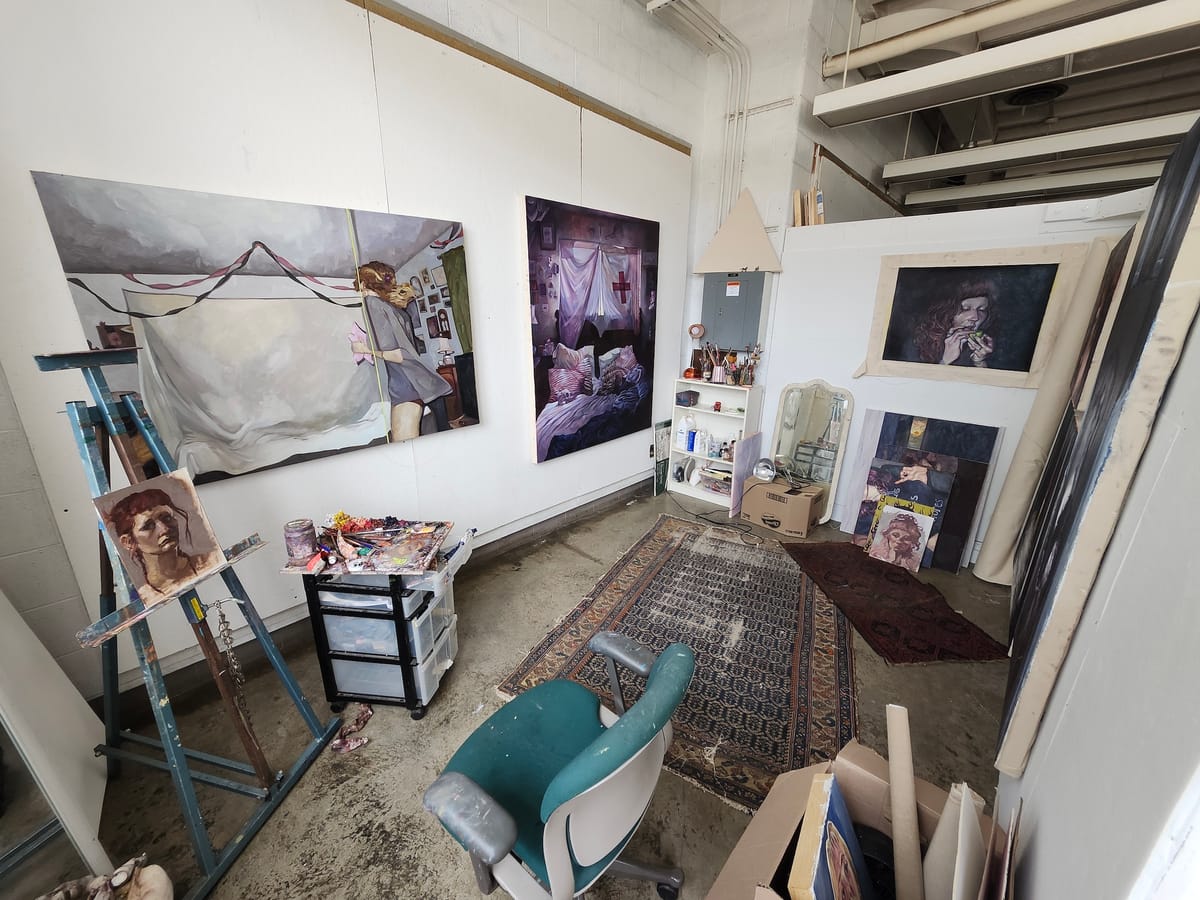
On Franklin Street in Brooklyn's Greenpoint neighborhood, one non-commercial gallery fosters 'a small, stubbornly human space for friction.' Friction—the ubiquitous buzzword that captures the simultaneous delight and discomfort of doing things the slow way—is at the heart of artists Pap Souleye Fall and Char Jeré's current show at Subtitled NYC. It also reflects the overall spirit of this little exhibition space and of a burgeoning movement to reject our culture of optimization in favor of a bumpier, more intimate, less alienating experience.
Arts
Arts
fromThe Art Newspaper - International art news and events
1 month agoArtists agonise over when a work is finished-but should we viewers care?
Artists determine completion when they have successfully transformed visual memory and emotion into a physical object, at which point further work becomes unnecessary.
Arts
fromThe Art Newspaper - International art news and events
1 month agoA short guide to the hidden meanings in great paintings
Historic paintings contain symbolic meanings and motifs that convey spiritual, moral, and philosophical messages through objects like apples, angels, books, butterflies, and candles.
Arts
fromwww.theguardian.com
1 month agoThe Guardian view on an explosion of solo exhibitions by women: move over old masters | Editorial
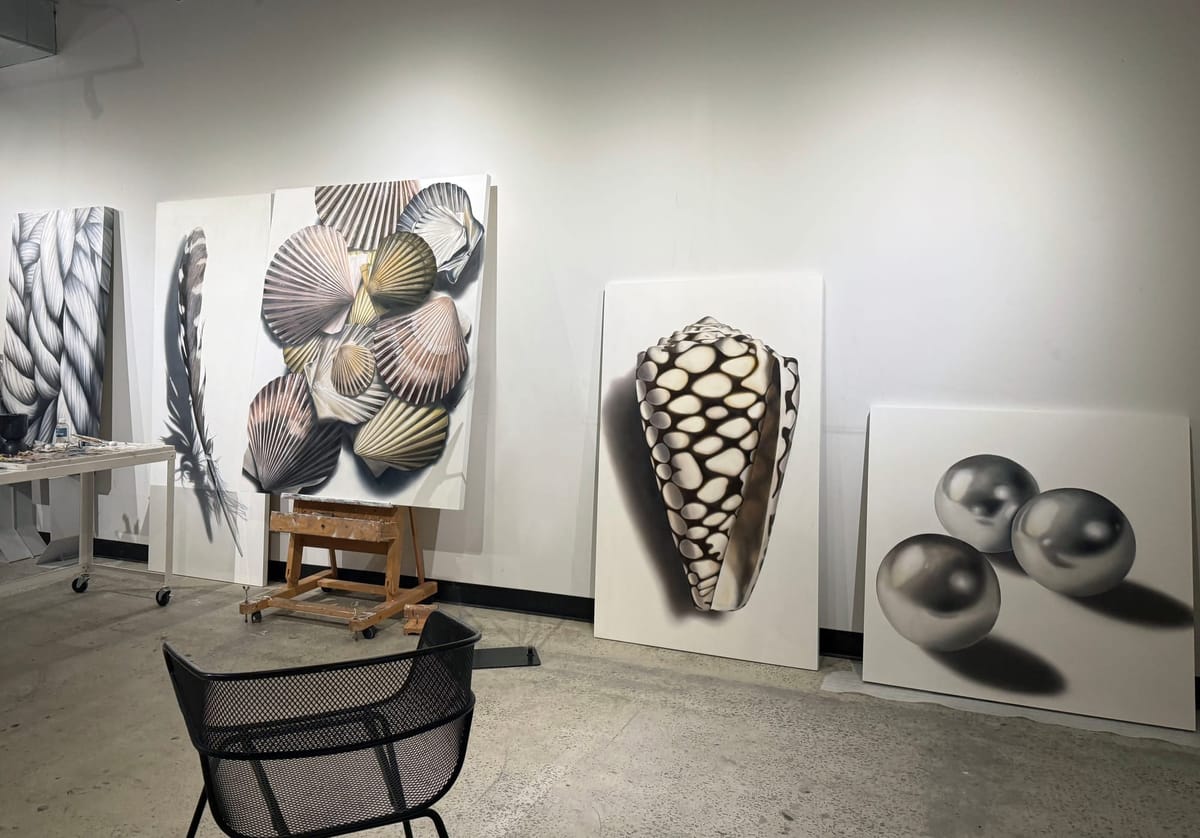
Major UK art institutions are finally increasing exhibitions of female artists after decades of severe underrepresentation, marking a significant shift from historical gender disparities in museum programming.
Arts
fromSilicon Canals
2 months ago8 signs you appreciate art, music, and culture on a deeper level than most people - Silicon Canals
Some people experience art deeply, reacting emotionally and perceiving subtle artistic cues that reveal heightened sensitivity and meaningful connections to creative expression.
fromwww.theguardian.com
2 months agoAI analysis casts doubt on Van Eyck paintings in Italian and US museums
An analysis of two paintings in museums in the US and Italy by the 15th-century Flemish artist Jan van Eyck has raised a profound question: what if neither were by Van Eyck? Saint Francis of Assisi Receiving the Stigmata, the name given to near-identical unsigned paintings hanging in the Philadelphia Museum of Art and the Royal Museums of Turin, represent two of the small number of surviving works by one of western art's greatest masters, revered for his naturalistic portraits and religious subjects.
Arts
Arts
fromThe Art Newspaper - International art news and events
2 months agoMuseum wall texts are an art in their own right-but will they survive the digital age?
Museums should balance providing contextual wall text and inviting wordless, personal interpretation to make art accessible and meaningful to diverse visitors.
fromHyperallergic
1 month agoArt Movements: Another Artforum Editor-in-Chief Is Out
I take no pleasure in saying "I told you so." Really, I don't. But I was hardly shocked by this week's news that Tina Rivers Ryan, who was named editor-in-chief of Artforum in 2024 after the dumpster fire that was the magazine's handling of an open letter in support of Gaza, was stepping down (Daniel Wenger and Rachel Wetzler will step in as co-editors, scrapping the editor-in-chief title altogether).
Arts
fromArtnet News
2 months agoVan Eyck Attribution Dispute Pits Art Historians Against A.I. Firm | Artnet News
Once again, A.I. and human experts are butting heads over the authenticity of a world-famous painting. A Belgian art historian has refuted claims made by Swiss company Art Recognition that two paintings have been falsely attributed to the Northern Renaissance master Jan van Eyck. The paintings in question are versions of Saint Francis of Assisi Receiving the Stigmata (ca. 1428-32) belonging to the Royal Museums of Turin and the Philadelphia Museum of Art.
Arts
fromThe Art Newspaper - International art news and events
2 months agoIn the age of AI, can art expertise be digitised?
Recently, AI decided that a painting long thought to be a copy of Caravaggio's The Lute Player is actually by the master, while another version of the same subject, previously thought to be authentic, is not. Both conclusions were disputed by the former Metropolitan Museum of Art curator Keith Christiansen. A similar debate erupted in March 2025 when AI declared that portions of The Bath of Diana, also long believed to be a copy, could have been painted by Peter Paul Rubens.
Arts
fromHyperallergic
1 month agoThe Sticky Politics of Wall Texts
In 2024, I made a vow to never base my art criticism on wall labels. My decision came after reading reactions to that year's Whitney Biennial. "If every label in 'Even Better Than the Real Thing,' the 81st installment of the Whitney Biennial, were peeled off the walls and tossed into the Hudson, what would happen?" asked Jackson Arn in the New Yorker. (He went on to suggest that the overall show would have been much better.)
Arts
fromHyperallergic
2 months agoA View From the Easel
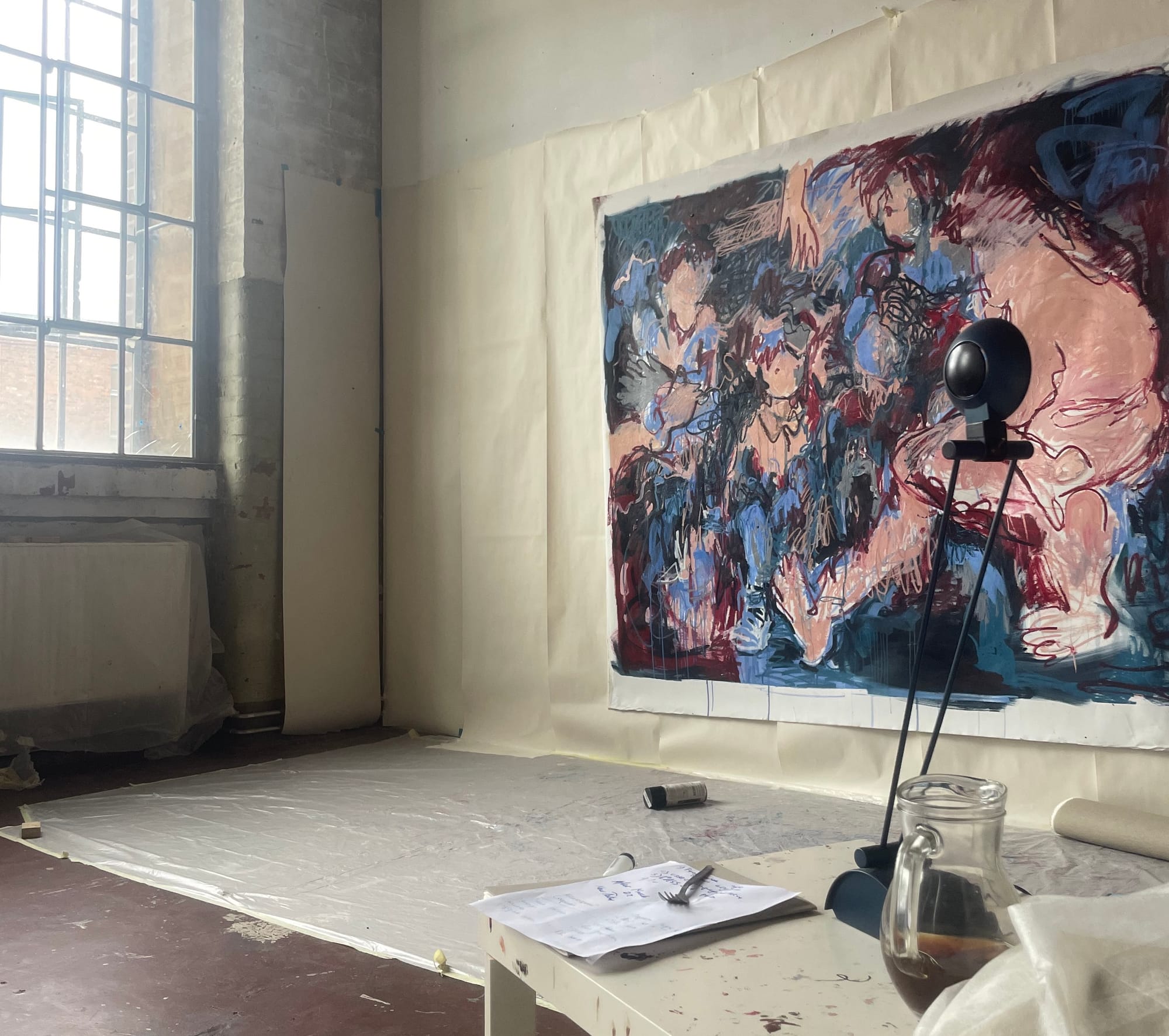
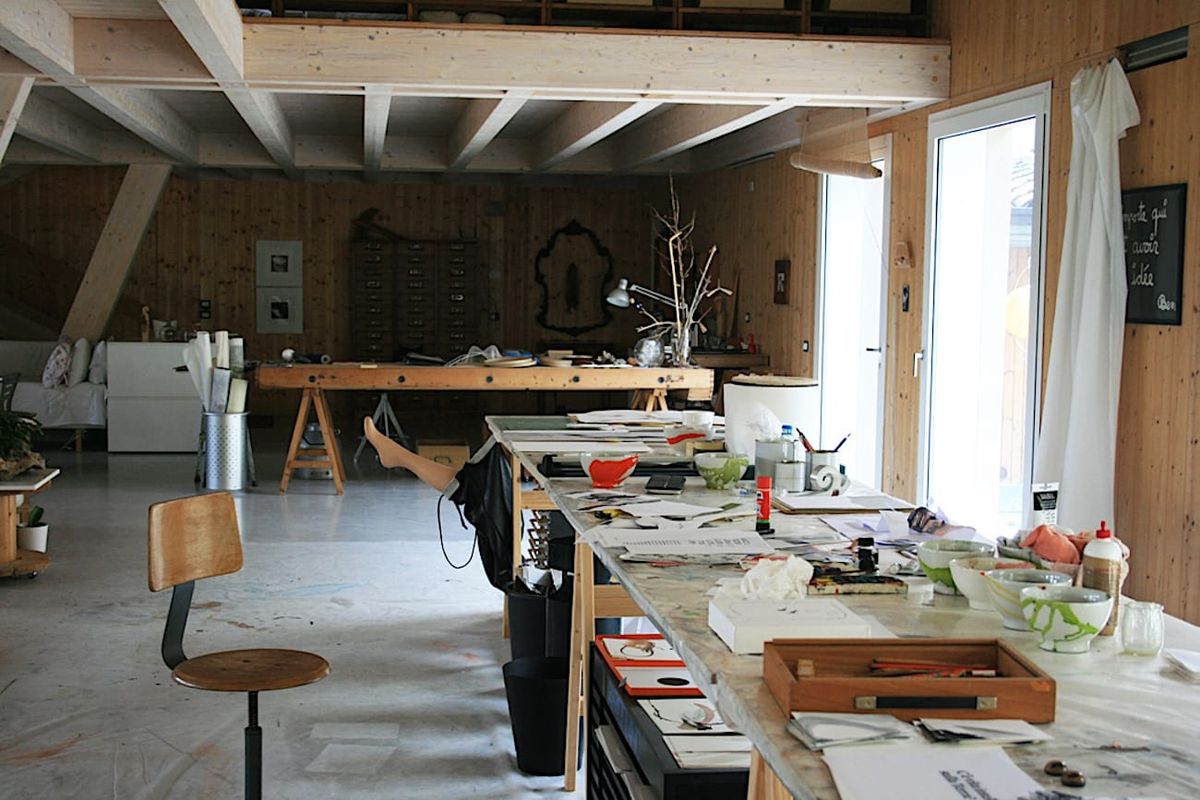
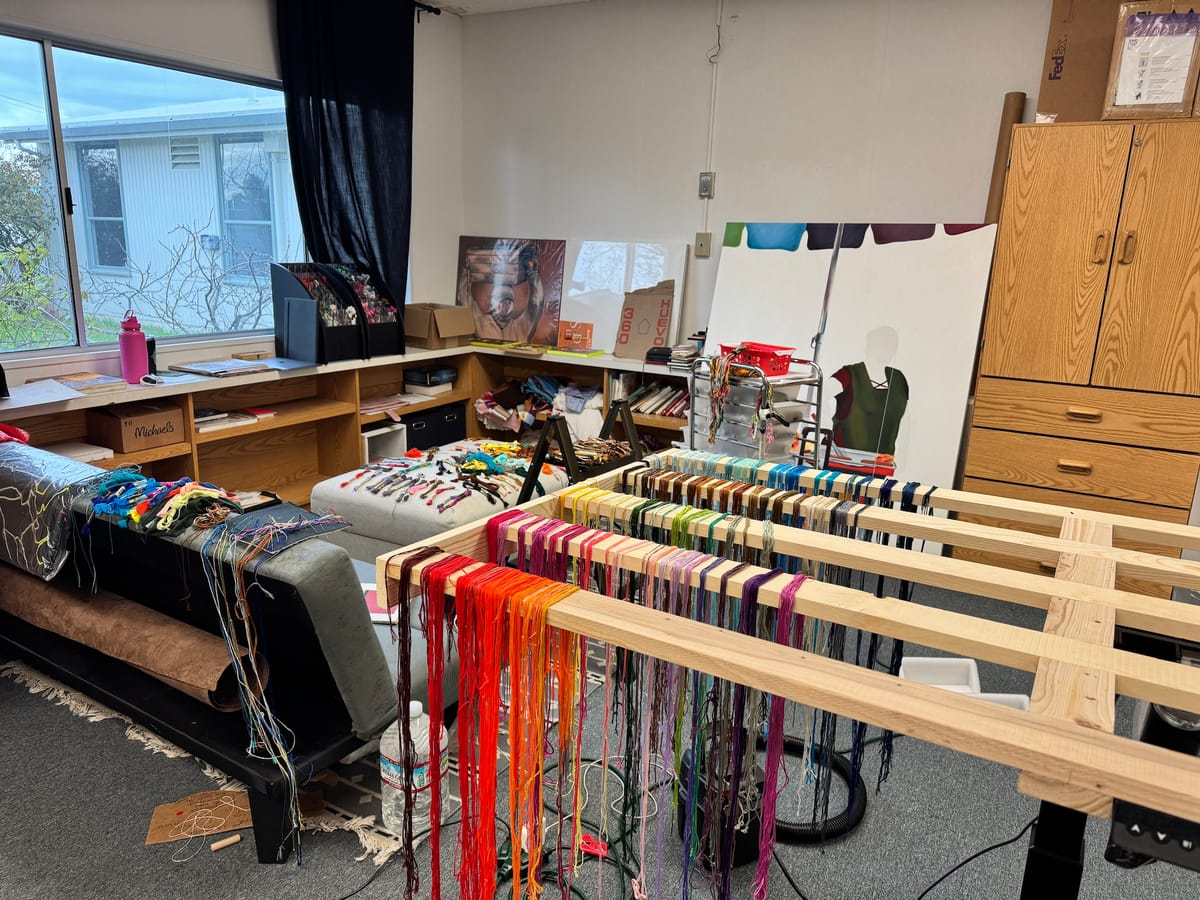
I work outside, carving and shaping the stone. Outside my house, I have a table, an extension cord, and tools. It's very cold and I have to wear all my winter clothes. When it's too cold, I do the filing and finishing work inside after I shape it outside. I listen to all kinds of music. I listen to Eminem all the time; his albums are all my favorites. For drawings, I work at Kinngait Studios or at home on my kitchen table.
Arts
fromHyperallergic
2 months agoRequired Reading
Marah Al-Za'anin, an 18-year-old Palestinian artist, has transformed a tent in Gaza City's Al-Rimal neighborhood into a studio. Al-Za'anin can't have been more than 15 or 16 years old when the genocide began, but she continues to pursue her passion for art and uses her brother's phone as a light source while she paints and draws late into the night. (photo by Saeed Jaras/Middle East Images/AFP via Getty Images)
Arts
Arts
fromThe Art Newspaper - International art news and events
2 months agoComment | Art and science rely on freedom of thought-and on each other
Art and science are complementary, interconnected ways of understanding the world that inspire each other and require mutual support, especially amid funding cuts.
[ Load more ]