#ash-clouds
#ash-clouds
[ follow ]
#air-quality #flooding #air-pollution #hawaii #climate-change #public-health #severe-weather #winter-storm
fromHigh Country News
10 hours agoWildfires make soil poisonous - High Country News
Researchers have known since at least 2008 that wildfires can create chromium-6, but a new study, published in the journal Environmental Science and Technology in November, is the first to report details such as how long it might persist in groundwater.
Environment
#air-pollution


Environment
fromtheconversation.com
1 month agoWhat is the acid rain' in the wake of U.S. bombings in Iran?
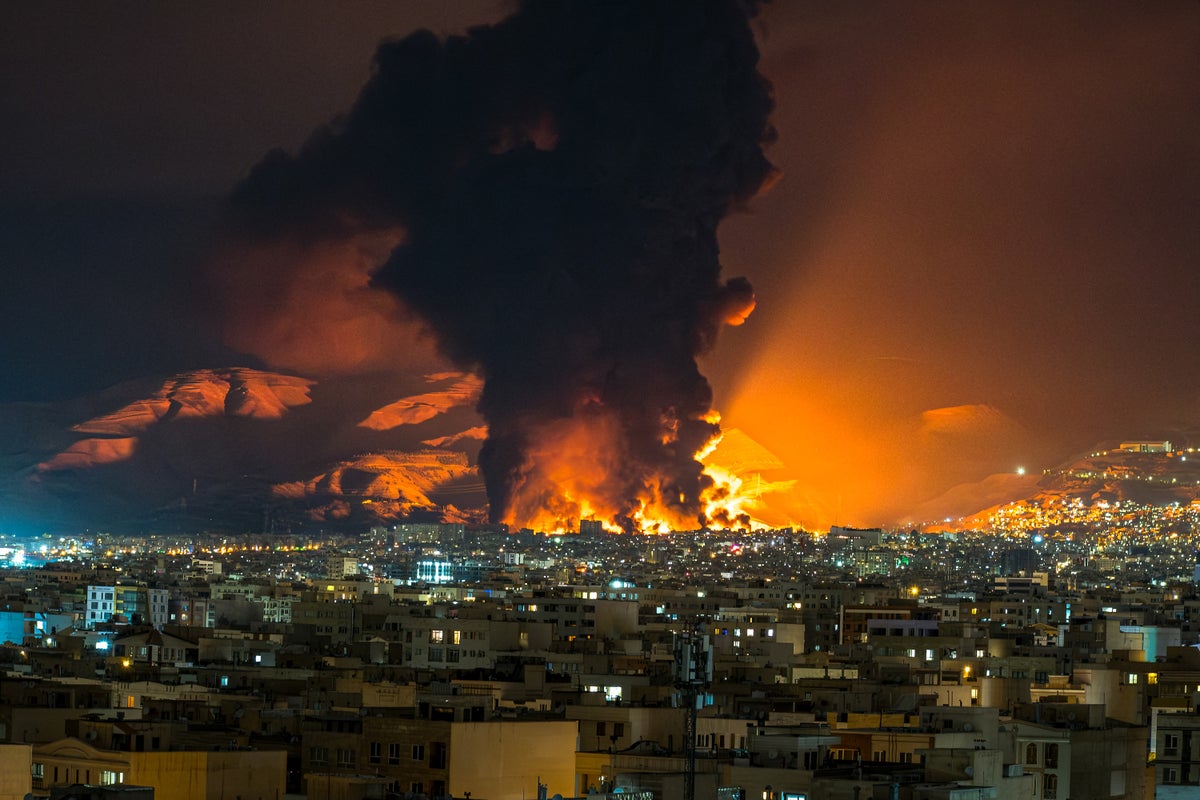
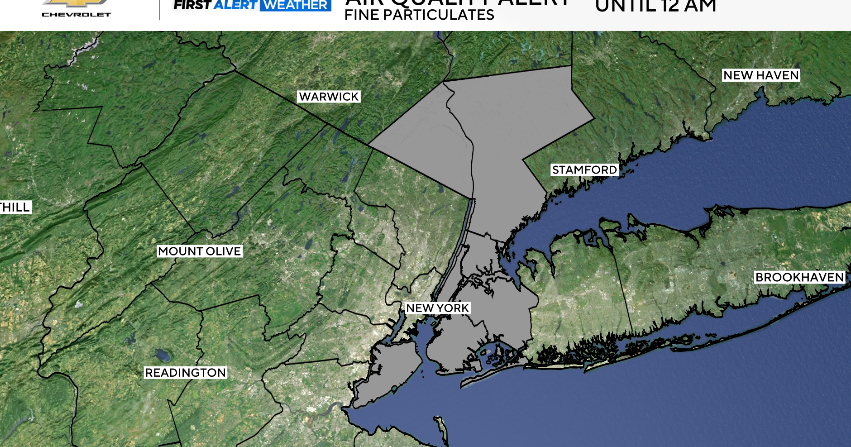
Black rain falling over Iran after airstrikes on oil depots contains toxic pollutants including hydrocarbons, ultrafine particles, and carcinogenic compounds that pose serious health and environmental risks.



fromThe Washington Post
3 weeks agoRare Middle East storm could bring floods, damaging winds and tornadoes
Parts of the Arabian Peninsula and Persian Gulf could be slammed by strong to severe thunderstorms Thursday, bringing the potential for damaging winds, destructive hail and a few tornadoes.
World news
fromFast Company
2 weeks agoSee it: Air temperatures and pollution around the world are captured in real time in these animated weather maps
We created Earth in Action to provide a lens into what's happening on our planet, as it happens. Whether it's something typical, like the current air temperature, or an extreme event like a major dust storm, we wanted to provide an opportunity for people to see them.
OMG science
fromwww.npr.org
1 month agoSnow and wind batter parts of US, with threat of thunderstorms and tornadoes
Successive punches of snow, wind and severe weather are "going to impact the eastern half of the United States," AccuWeather senior meteorologist Tyler Roys said in an interview. Beyond the threat to lives and property, "whether it's wind gusts from a squall line, blizzard or snow, or just wind because of the storm, you're looking at several major airports being impacted."
US news
fromMail Online
1 month agoHazardous weather alert for 200 million as megastorm barrels across US
The storm from Sunday into Monday has the potential to become a bomb cyclone, which occurs when central pressure drops at least 0.71 inches of mercury (24 millibars) in 24 hours or less. That rapid strengthening would generate an expansive and intense wind field.
Chicago
fromwww.theguardian.com
1 month agoHawaii faces flash flooding, blizzard conditions and landslides with more rain to come
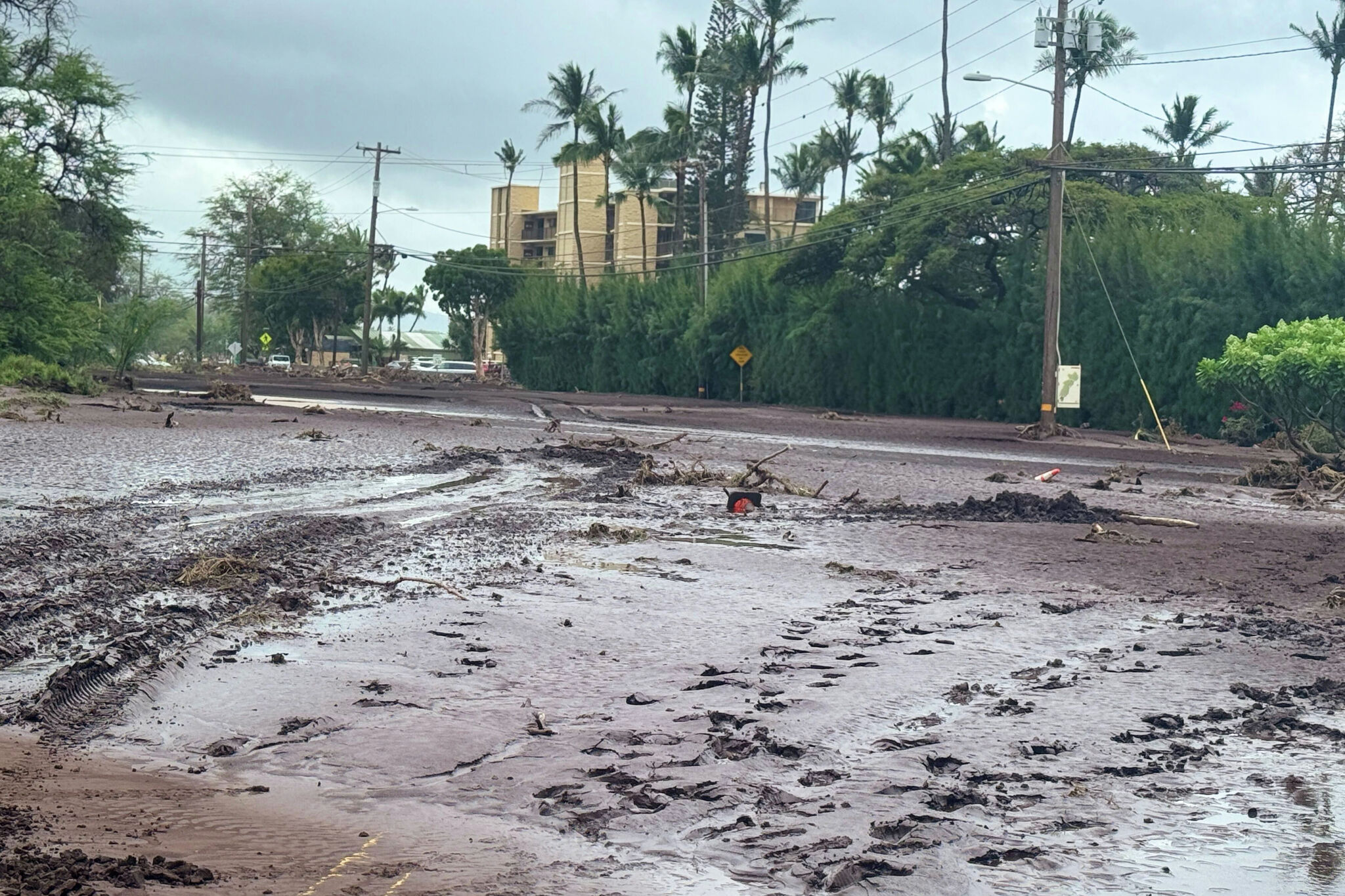
Flash flooding has been a major problem in recent days in places such as Maui, Molokai and the Big Island, where rain had been falling between 1 and 2in (2.5 and 5cm) an hour overnight, according to the Hawaii emergency management agency.
Miami food
#saharan-dust

fromwww.scientificamerican.com
1 month agoMadrid food
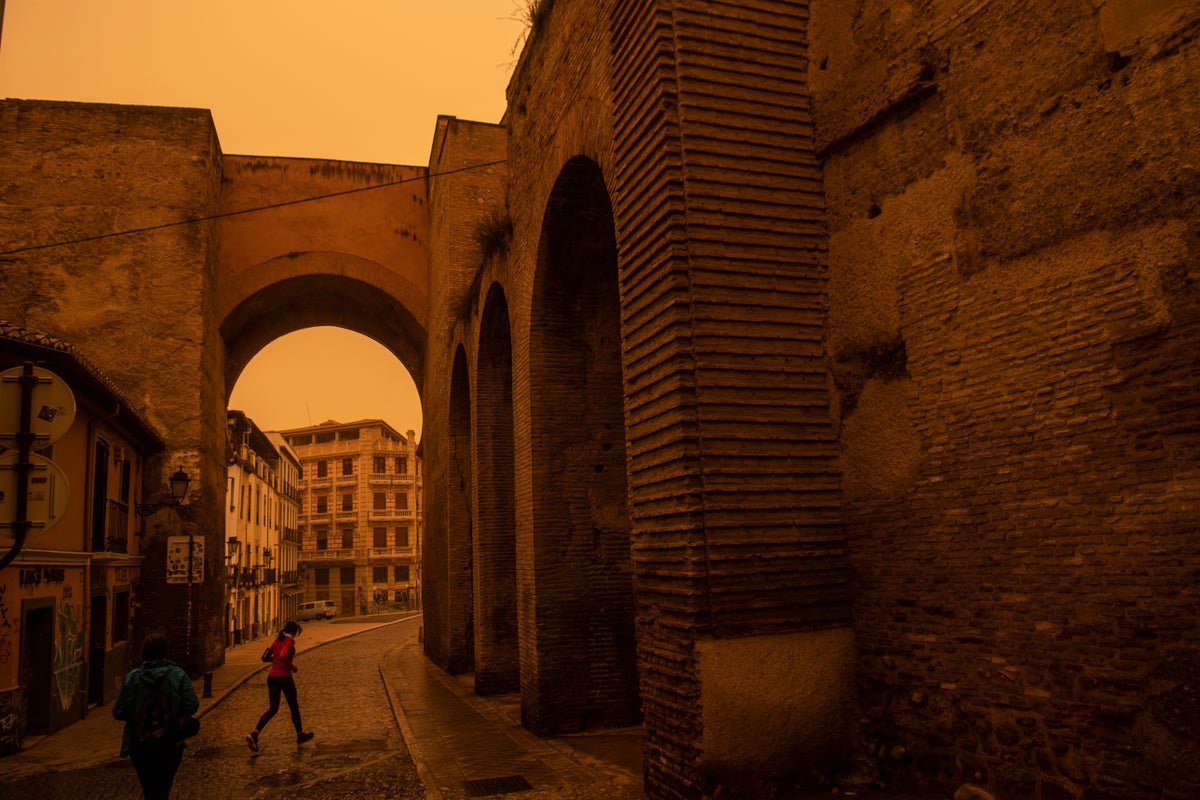
Blood rain' and fiery skies threaten Europe thanks to massive Saharan dust storm
Saharan dust plume La Calima is moving toward Spain, Portugal, and France, bringing rust-colored blood rain, hazardous air conditions, and health risks for vulnerable populations.

OMG science
fromwww.scientificamerican.com
1 month agoGlobal conflict triggers oil actions, scientists challenge nuclear claims, hail risk rises with warming
The International Energy Agency released 400 million barrels of oil from emergency reserves due to Middle East conflict disruptions, while nuclear experts dispute claims that Iran was weeks away from developing nuclear weapons.
World news
fromLondon Business News | Londonlovesbusiness.com
1 month agoToxic smoke and 'acid rain' engulfs Tehran amid deadly strikes on oil facilities - London Business News | Londonlovesbusiness.com
U.S. and Israeli airstrikes on Tehran's oil and gas facilities released toxic compounds causing hazardous air pollution and acidic rain threatening public health.
Snowboarding
fromSnowBrains
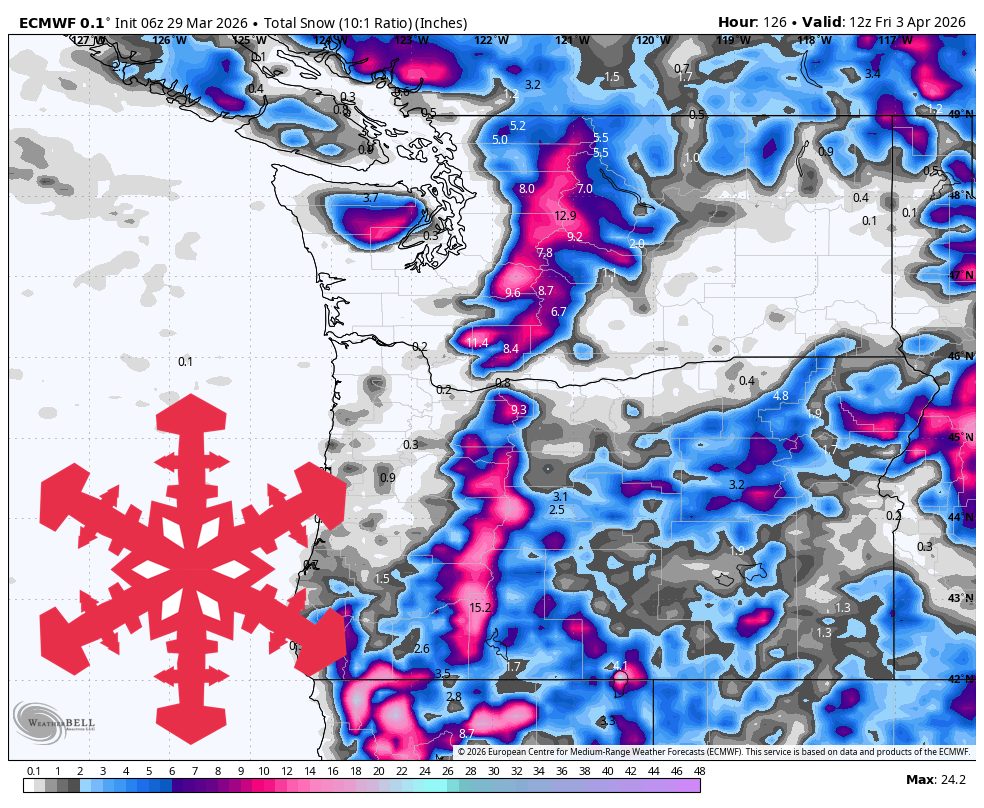
1 month agoSnowBrains Forecast: Repeated Storms Bring 4-7 Feet to Parts of the PNW Through Friday - SnowBrains
The Pacific Northwest faces a significant snow event from Sunday through Friday with colder early-week snow, a stronger midweek reload, and uncertain weekend conditions, with Washington resorts and Whistler positioned for the best snow accumulation.
fromSFGATE
1 month agoHawaii braces for new storm as it still recovers from the last
We're not expecting much in terms of winds, mainly just going to be flood potential. And thinking that the focus is going to be Oahu, Maui County and Big Island, with Kauai kind of being on the fringes of it versus, you know, all the Islands were impacted last time.
Environment
fromwww.theguardian.com
2 months agoMy helicopter went into freefall inside an active volcano
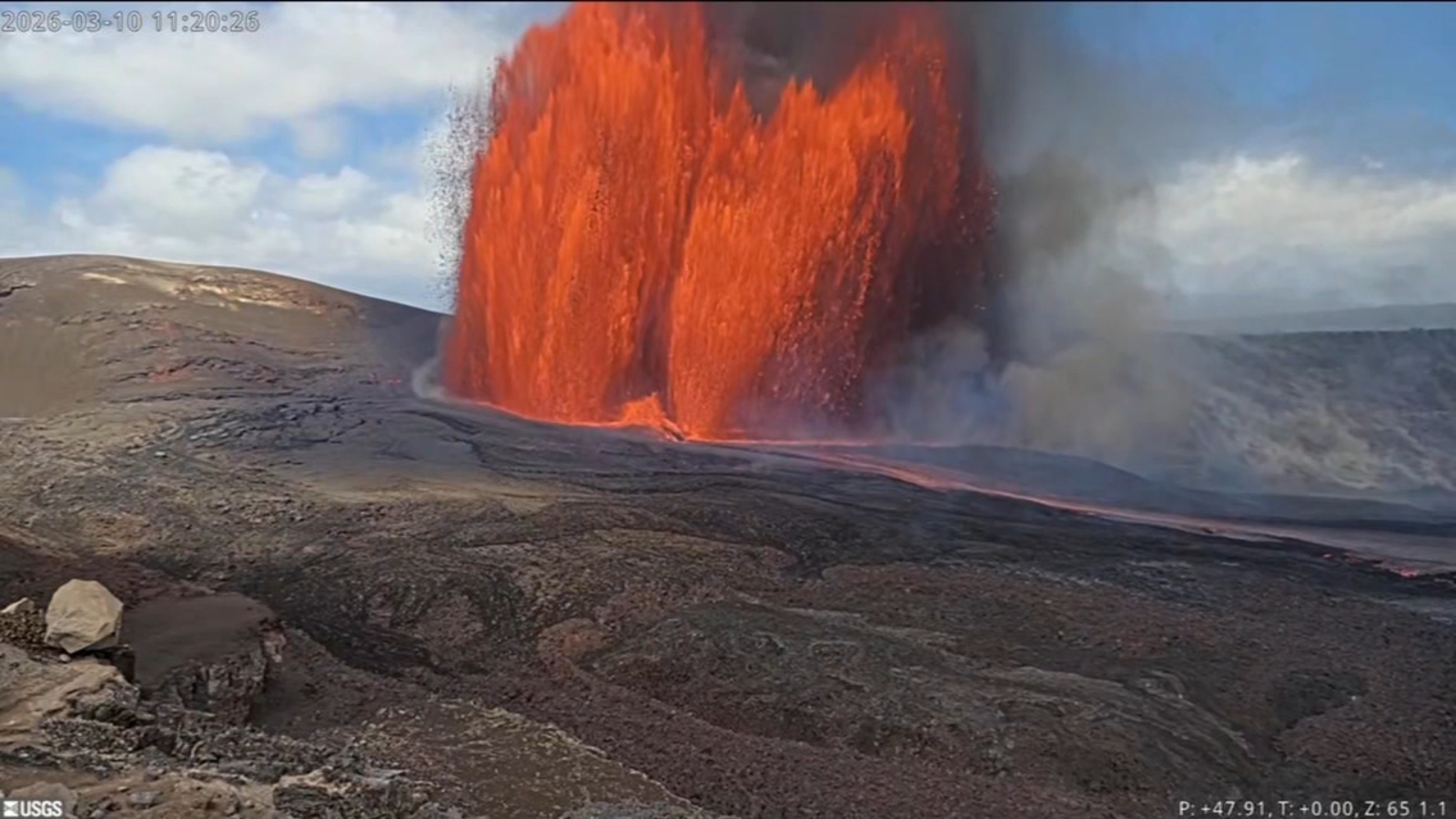
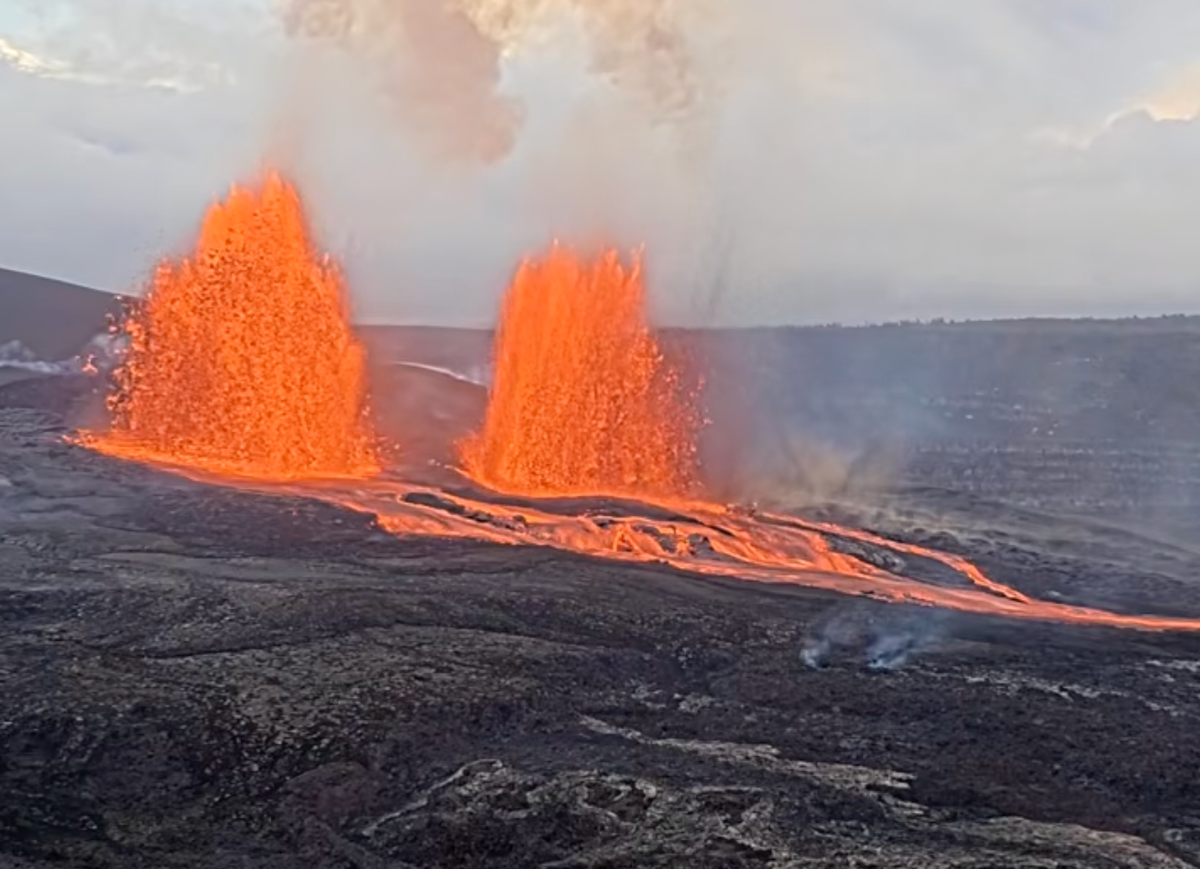
The 1993 erotic thriller Sliver should have ended differently: Zeke, played by William Baldwin, was scripted to fly a helicopter towards an active volcano, after Sharon Stone's character, Carly, reveals she's the killer. The pilot, Craig Hosking, had been tasked with flying low over Hawaii's Kilauea volcano, accompanied by the director of photography, Mike Benson, and his assistant Christopher Duddy, to film the bubbling lava and white plumes of smoke escaping from the Puu Oo vent.
Film
fromwww.mercurynews.com
1 month agoA look at the deadliest avalanches in US history
Getting your Trinity Audio player ready... By R.J. RICO, Associated Press Eight backcountry skiers were found dead and one remains missing after an avalanche near Lake Tahoe, authorities said Wednesday. The avalanche in Northern California's Sierra Nevada mountains is one of the deadliest in U.S. history. Here's a look at the others: 1910: Wellington, Washington 96 killed A massive wall of snow swept two Great Northern passenger trains into a gorge, killing 96 people. The trains had been stuck on the tracks for days because of bad weather, and some passengers had trekked into town, likely saving their lives.
US news
Environment
fromFast Company
1 month agoWeather whiplash to sweep U.S. with simultaneous blizzard, polar vortex, and heat dome
Extreme weather is affecting nearly all U.S. regions simultaneously, including record heat in the Southwest, snow in the Great Lakes, Arctic cold in the Midwest and East, and heavy rain in Hawaii.
fromwww.theguardian.com
2 months agoWeather tracker: New Zealand hit by storms and widespread floods
A deep area of low pressure to the south-east of New Zealand's North Island swept into the region on Sunday, bringing heavy rain, gale-force winds and dangerous coastal swells that lashed exposed shorelines. The storm triggered power outages, forced evacuations and damaged infrastructure, with further impacts likely on Monday as the system lingers for a time, before tracking southwards later.
Miscellaneous
fromMail Online
2 months agoScientists on red alert as 'doom volcano' stirs after years of silence
Researchers have detected rising temperatures, bubbling gases and unusual sulfur formations inside Mexico's El Chichón volcano, also known as Chichonal. The changes were recorded by scientists from the National Autonomous University of Mexico (UNAM) during monitoring between June and December 2025. The volcano last erupted in 1982, killing at least 2,000 people in one of Mexico's deadliest volcanic disasters. Scientists observed elevated heat, shifting crater-lake chemistry, and gas emissions including hydrogen sulfide and carbon dioxide, which can be hazardous in high concentrations.
Science

Environment
fromNature
1 month ago'Black rain' in Tehran - what are the health effects?
Missile strikes on Iranian oil facilities released toxic chemicals into the atmosphere, creating black acid rain containing harmful hydrocarbons, sulfur oxides, and nitrogen compounds that pose serious health risks.
fromwww.scientificamerican.com
2 months agoScientists just calculated how many microplastics are in our atmosphere. The number is absolutely shocking
Microplastics are pervasive, found everywhere on Earth, from the Sahara Desert to patches of Arctic sea ice. Yet despite these plastic particles' ubiquity, scientists have struggled to determine exactly how many of them are in our atmosphere. Now a new estimate published in Nature suggests that land sources release about 600 quadrillion (600,000,000,000,000,000) microplastic particles into the atmosphere every year, about 20 times more than the number of particles contributed by oceans (about 26 quadrillion).
Science
fromSnowBrains
2 months agoNASA: Satellite Image Shows Kamchatka, Russia, Buried by 19 Feet of Snow - SnowBrains
It has been an eventful few months for the Northern Hemisphere atmosphere. An unusually early sudden stratospheric warming episode in late November appears to have factored into a weakened and distorted polar vortex at times in December, likely causing extra waviness in the polar jet stream. This helped fuel extensive intrusions of frigid air into the mid-latitudes, contributing to cold snaps in North America, Europe, and Asia, and priming the atmosphere for disruptive winter storms in January.
Snowboarding
fromMail Online
1 month agoEarthquake strikes America's Heartland above ancient volcanoes
Although Kansas has no active volcanoes, the region marks the southern reach of the Midcontinent Rift System, a massive tectonic event that nearly split North America apart in Earth's distant past. When magma forced its way through the crust during that period, it left behind hardened igneous rock and deep fractures that remain buried thousands of feet underground.
Science
fromSilicon Canals
2 months agoThe one thing meteorologists wish people would stop doing before a winter storm hits - Silicon Canals
When I spoke with emergency management officials last year, they all mentioned the same frustrating scenario. People ignore storm warnings until the precipitation starts falling, then suddenly everyone rushes out at once. The roads become congested with anxious drivers, accidents spike, and stores run out of essentials just when people need them most. But here's what really gets meteorologists worked up about this pattern. Modern weather forecasting has become incredibly accurate, especially for major winter storms.
Public health
fromwww.theguardian.com
1 month agoHow ancient Scottish rocks throw snowball Earth' theory up in the air
Recent examination of some ancient rocks from the west coast of Scotland have now overturned that thinking, suggesting there were periods during snowball Earth when the climate woke up. Close-up views of thin, repeating rock layers known as varves, each thought to represent a single year of sedimentation during the snowball Earth period.
Science
fromConde Nast Traveler
2 months agoChasing Lava as the Earth Shifts
Land is one of those things that can disappear even as you see it. It falls away beneath you, becoming merely the ground under your feet, because you're thinking about where you're going, or a place slowly blurring out of focus from the airplane window. Land is a primal word, primordial even, like lava. And it is a loaded word if, say, you're Indigenous or descend from a people whose land was taken from them.
Environment
fromArs Technica
2 months agoCOVID-19 cleared the skies but also supercharged methane emissions
The remaining question, though, was where all this methane was coming from in the first place. Throughout the pandemic, there was speculation that the surge might be caused by super-emitter events in the oil and gas sector, or perhaps a lack of maintenance on leaky infrastructure during lockdowns. But the new research suggests that the source of these emissions was not what many expected. The microbial surge
Environment
fromwww.nature.com
2 months agoAtmospheric H2 variability over the past 1,100 years
Warwick, N., Griffiths, P., Keeble, J., Archibald, A., & Pyle, J. Atmospheric implications of increased Hydrogen use. GOV.UK https://www.gov.uk/government/publications/atmospheric-implications-of-increased-hydrogen-use (2022).
Environment
fromArs Technica
1 month agoStudy shows how rocket launches pollute the atmosphere
In a high-growth scenario for the space industry, there could be as many as 2,000 launches per year, which her modeling shows could result in about 3 percent ozone loss, equal to the atmospheric impacts of a bad wildfire season in Australia. She said most of the damage comes from chlorine-rich solid rocket fuels and black carbon in the plumes. The black carbon could also warm parts of the stratosphere by about half-a-degree Celsius as it absorbs sunlight.
Environment
Environment
fromIntelligencer
2 months agoThunder Ice to Exploding Trees: A Glossary of Scary Winter Storm Terms
A winter storm will bring thunder-driven freezing precipitation (thunder-ice/thunder-sleet) across the Mississippi River Valley while an extreme cold snap risks tree explosions in the Midwest.
fromThe Atlantic
2 months agoThe West's Winter Has Been a Slow-Moving Catastrophe
If you are reading this on the East Coast, congratulations on the warmer weather you're finally getting this week. It was cold and snowy for a while there. Here in the West, we wish we'd been in your shoes. Spare a thought for the tens of millions of us who live on the other side of the continent, where a catastrophe is unfolding.
Environment
fromNature
2 months agoMicroplastic levels in the air have been overestimated, but are still a big concern
Many human activities - from improper disposal of waste to the degradation of car tyres - release small plastic particles, which have infiltrated the atmosphere, oceans and other ecosystems. These include nanoplastics - particles measuring less than 1 micrometre across - and microplastics, which range from 1 micrometre to around 5 millimetres. They've entered our bodies and brains, and scientists are still working to understand their effects on people's health.
Environment
[ Load more ]