#asian-cup-qualification
#asian-cup-qualification
[ follow ]
#football #world-cup #world-cup-2026 #japan #womens-football #australia #womens-asian-cup #fifa #iran #saudi-arabia









English Premier League
fromwww.theguardian.com
2 weeks agoJapan head to Wembley ready to show they're the real deal before World Cup | John Duerden
Japan aims to reach the World Cup quarter-finals, showcasing confidence and ambition after recent victories against Scotland and upcoming matches against England.



fromwww.aljazeera.com
3 weeks agoAsian Champions League quarterfinal sends Iran's Tractor FC to Saudi Arabia
The Asian Football Confederation (AFC) held the draw on Wednesday to determine the quarterfinal pairings, a day after announcing that the western zone playoffs that were postponed because of the war in the Middle East have been rescheduled for April 13-14 in Jeddah.
Soccer (FIFA)
#womens-asian-cup-2026

Women
fromwww.theguardian.com
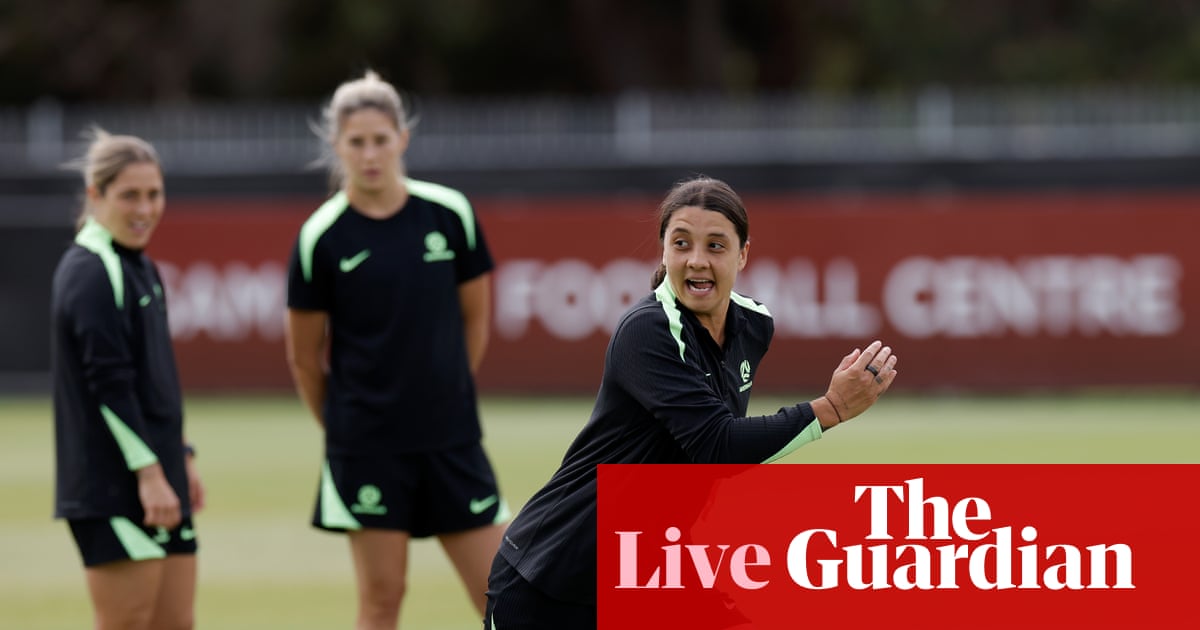
1 month agoAustralia v Philippines: Women's Asian Cup 2026 live
The Women's Asian Cup 2026 features the Matildas squad with familiar faces alongside new talent under coach Joe Montemurro, with intrigue surrounding coaching dynamics, injury comebacks, and Australia's multicultural representation in the tournament.
fromwww.aljazeera.com
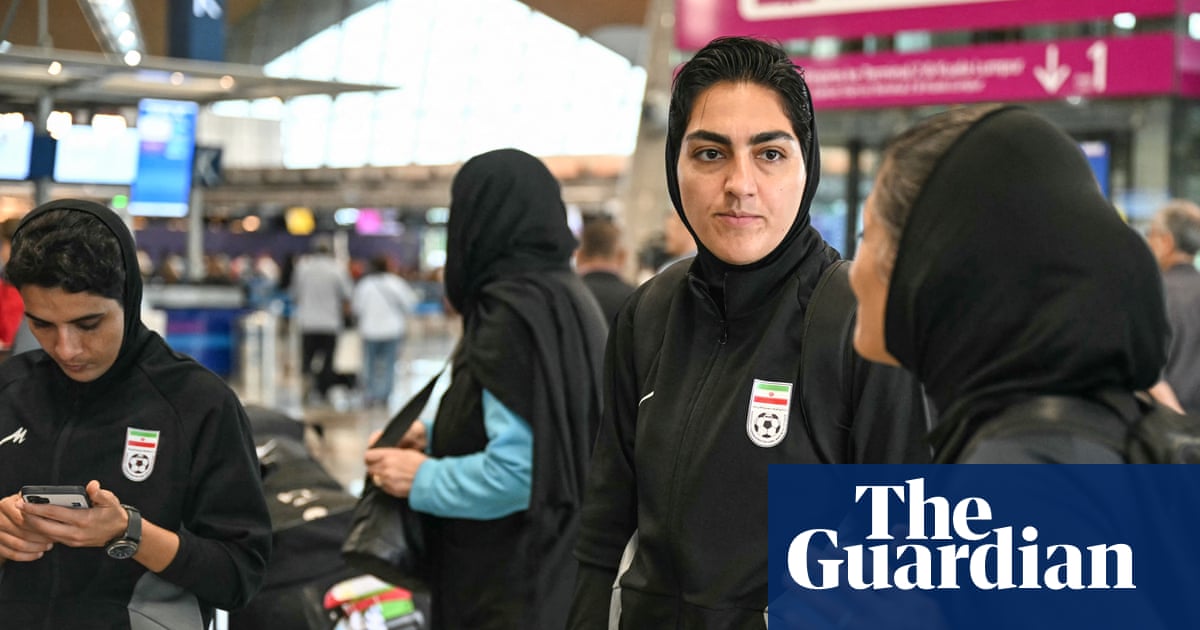
1 month agoIran still playing in World Cup 2026 despite withdrawal rumours, AFC says
At the end of the day, it's the federation who should decide if they're playing, and as of today, the federation has told us that they are going to the World Cup. They are our member. We want them to play. You know, they qualified, so we hope that they will solve their issues, whatever it is, and be able to participate.
World news
#t20-world-cup-2026
English Premier League
fromwww.aljazeera.com
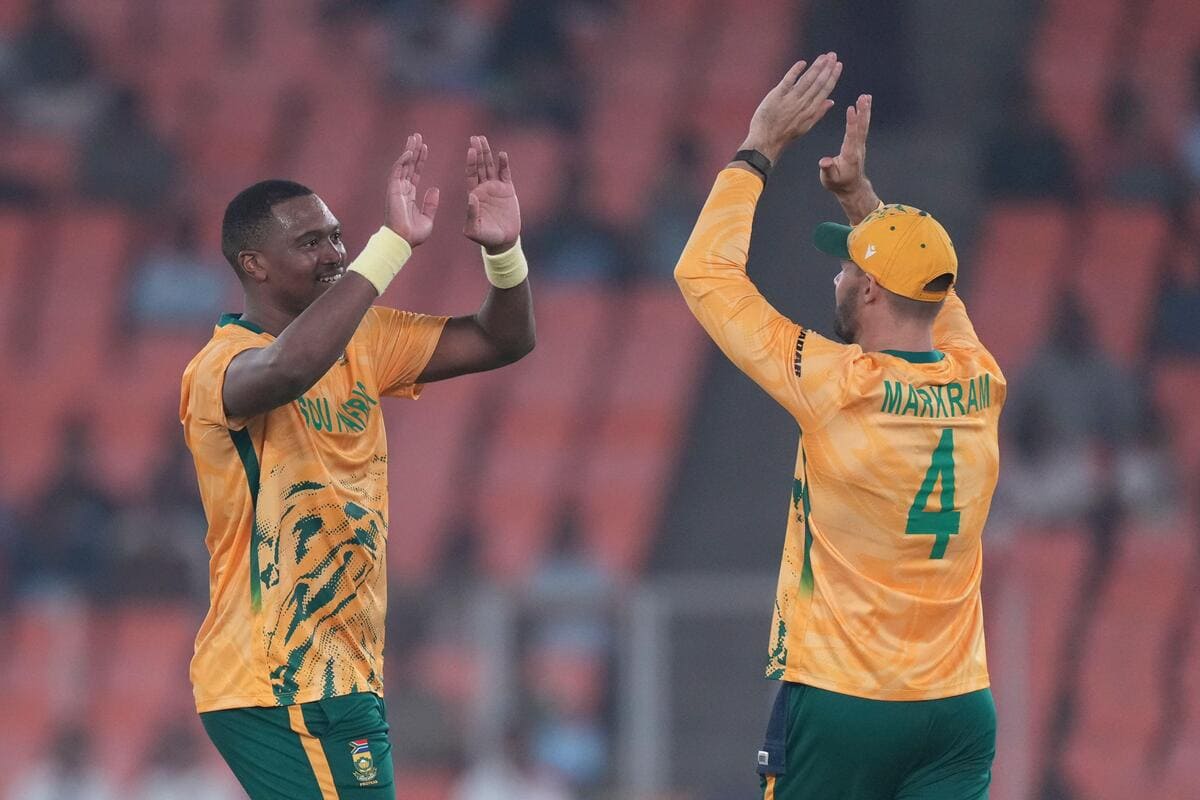
1 month agoWhich teams are in the T20 World Cup semifinals and what's the schedule?
India advanced to the T20 World Cup 2026 semifinals after Sanju Samson's 97-run unbeaten innings against West Indies, joining New Zealand, South Africa, and England in the knockout stage.

English Premier League
fromwww.aljazeera.com
1 month agoWhich teams are in the T20 World Cup semifinals and what's the schedule?
India advanced to the T20 World Cup 2026 semifinals after Sanju Samson's 97-run unbeaten innings against West Indies, joining New Zealand, South Africa, and England in the knockout stage.
fromwww.fourfourtwo.com
1 month agoHow to watch Women's Asian Cup quarter-finals: Free streams, TV info as Australia chase home glory
Hosts Australia continue their campaign aiming to reclaim the Asian Cup crown they last won in 2010. After beating Philippines and Iran, a draw against South Korea saw them finish their group stage campaign.
Women
fromwww.theguardian.com
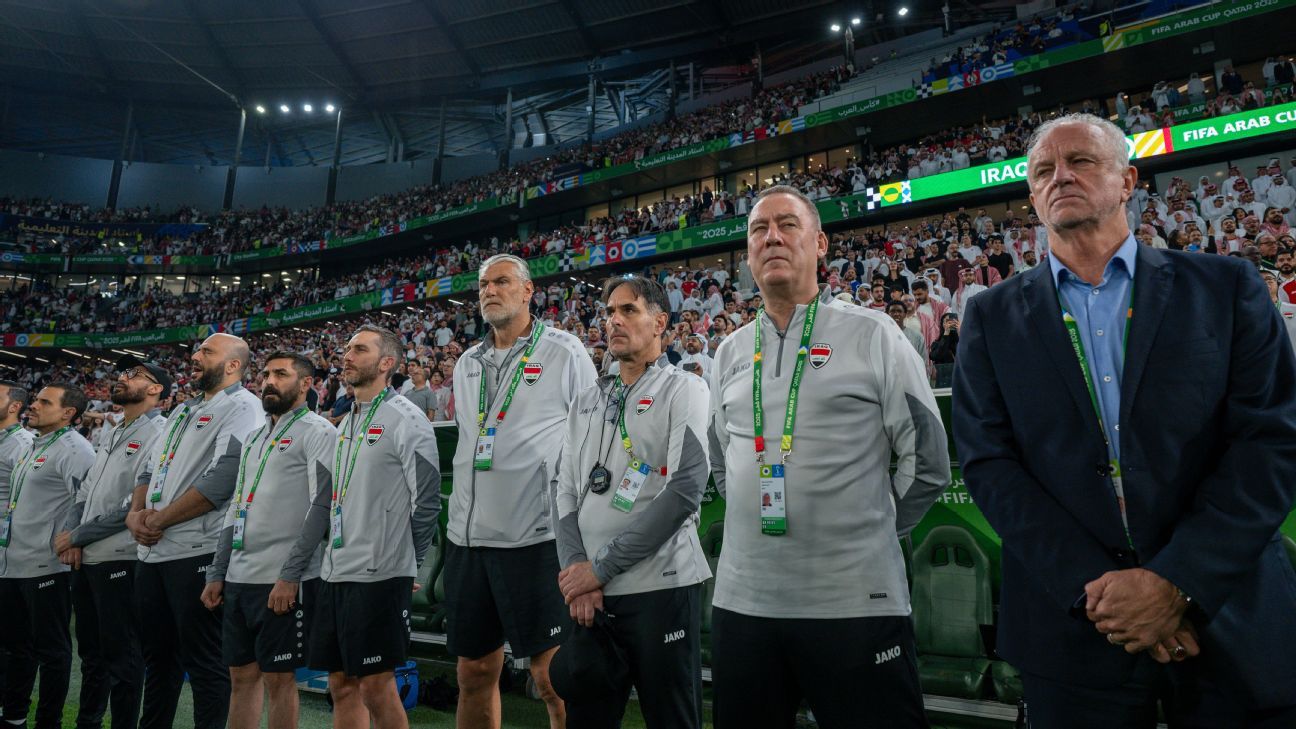
2 months agoJohn Herdman led Canada to a long-awaited World Cup. Can he do the same with Indonesia?
The 50-year-old has taken quite a jump from Canada, a huge country where soccer is not the biggest sport, to Indonesia, a huge country where it definitely is. If he can repeat his 2022 heroics for 2030, he will be a hero to a nation of 280 million people who are just desperate to return to the global stage.
Soccer (FIFA)
fromwww.theguardian.com
1 month agoJapan replace draws with shootouts and hope to avoid paying World Cup penalty
Cynics may say it is no coincidence the J.League has introduced penalty shootouts to replace draws just before the World Cup. Japan have identified the quarter-finals as the target this summer after failing to progress past the last 16 on three of the past four occasions, with two of those disappointments coming after failures from the spot. The 2022 tournament was the worst, with the Samurai Blue, who should have seen off Croatia during normal time, losing the shootout 3-1 in dismal fashion.
Soccer (FIFA)
World news
fromESPN.com
1 month agoIran's situation at the 2026 World Cup: Will they play? What happens if they don't?
Iran's 2026 World Cup participation is uncertain following escalating military conflict between the U.S. and Iran, with multiple potential scenarios that could prevent their competition.
fromwww.bbc.com
1 month agoWho is most affected by WSL Asian Cup exodus?
This will be the 21st edition of the quadrennial tournament, which is the biggest international women's football competition for nations in the Asian Football Confederation. The tournament will begin on Sunday, 1 March with a group stage consisting of three groups of four teams. Members of the same group will face each other in a round-robin format until they have played three matches each.
Soccer (FIFA)

[ Load more ]