Medicine
fromThe Atlantic
17 hours agoHow to Fix a Diagnosis Crisis
Diagnostic errors are common, affecting 5% of Americans annually, leading to significant disability and death.
"This is a surefire way to spread germs in such a small space. Closing the lid also mutes the loud flush and leaves the lavatory looking tidier for the next passenger."
Mold loves warm and wet conditions, making your dishwasher a playground for spores - especially around the filter where there tends to also be a buildup of food residue.
'Never ever use these three things in a hotel room,' she warned in a video. Her first tip was to avoid using the 'wall-mounted refillable containers with soap and shampoo' now commonly found in hotel bathrooms.
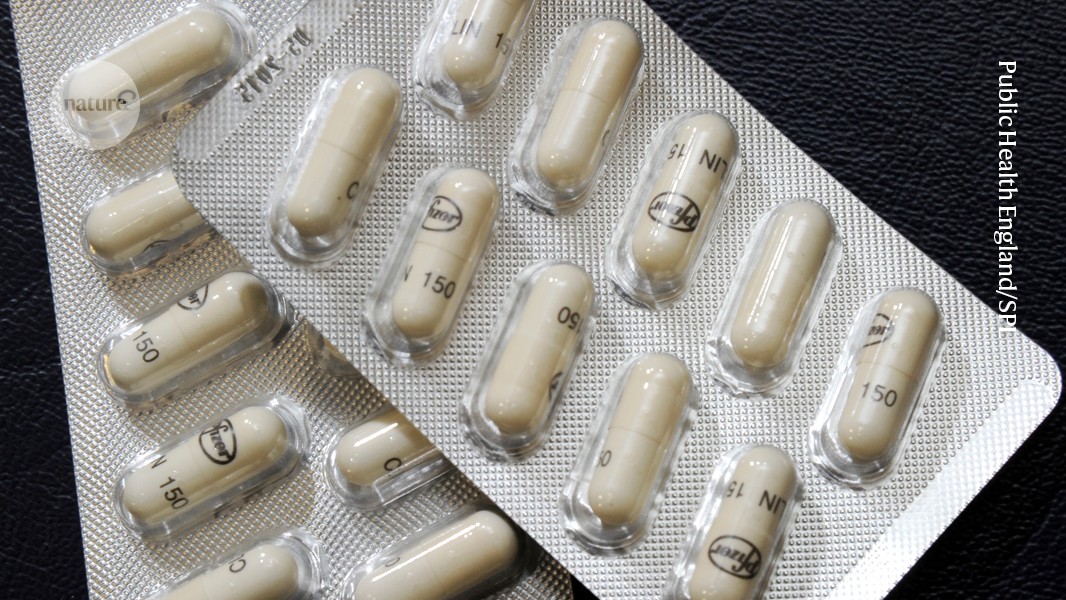
Antibiotics are essential for modern medicine, but bacteria are evolving and developing resistance, turning routine infections into life-threatening conditions. A global analysis estimates that antibiotic-resistant infections could cause over 39 million deaths by 2050.
I am open-minded; I believe in integrative practices, and I agree that the medical establishment can be arrogant and unduly influenced by the pharmaceutical industry, which now funds so much of medical research. But I fully understand Scherer's frustration with his interminable discussions with Kennedy about scientific articles.
DNA variants near a gene called MSRB3 - which is important for hearing in humans - could determine whether a dog's ears are pendulous like a basset hound's or stubby like a rottweiler's. Researchers analysed the genomes of thousands of canines and found that small, single-letter changes to DNA in a region of the genome near MSRB3 could boost the gene's activity. The boost can increase the rate at which ear cells proliferate, resulting in longer ears.
In children below the age of five, whose immune systems are still developing, the infections can lead to malnourishment; they cause up to 42,000 deaths annually. Soon there may be a vaccine to protect against these infections. In the Lancet Infectious Diseases last month, scientists shared the results of the first study to evaluate the safety and efficacy of an ETEC-controlling vaccine in a large pediatric population in Gambia.
In a study published in Science Advances, researchers in China fed Aedes aegypti mosquitoes blood that contained either a vaccine against Nipah virus or the rabies virus. The viruses, contained in the vaccines, replicated inside the insects and reached their salivary glands, allowing them to pass on the vaccine when feeding on bats or when the bats ate the insects.
From ultra-processed foods to hidden chemicals, we ask whether what's on our plates is making us ill. From ultra-processed foods to chemicals linked to cancer and chronic disease, this episode unpacks what's really inside everyday supermarket products. We examine how mass production and convenience culture reshaped our diets, why some ingredients are banned in parts of the world but legal elsewhere, and what FDA-approved actually means.
We don't know what exactly investigators found or whether they are in any way harmful. However, we do have an intriguing clue. The property was linked to Jia Bei Zhu, a 62-year-old Chinese citizen who was arrested in October 2023 on charges of manufacturing and distributing misbranded medical devices and making false statements to the FDA, according to NBC News.
There are some communities that are very unhealthy where the diversity is higher. Low diversity is not a universal marker. We found something that at first seemed surprising. That a healthy microbiome has lots of competition. These bugs are all going after the same food. In an unhealthy gut, on the other hand, you see tight cooperation - microorganisms are helping each other out.
When it comes to first aid on the road, many travelers have been there: a small nick or cut in a new place, followed by a quick reach for hydrogen peroxide in hopes of preventing infection. The fizzing bubbles can feel reassuring, as if germs are being wiped out on contact. But medical guidance has shifted in recent years-and according to research from personal injury claims support site Claims.co.uk, that long-held belief may actually be doing more harm than good.
Public health consultant Dr Ross Keat said supporting people earlier to make small preventative changes would make "a big difference later on". Some 3,500 people in the north of the island within that age bracket are eligible for the checks. The checks will be carried out by two pre-existing nurses that support GP staff and would not replace GP appointments, Keat explained, adding that the cost would be minimal and absorbed by Ramsey Group Practice.
You get sick from staying inside, breathing the same germ-filled air. Open your windows, even for five minutes, to circulate the old air out and let in fresh air. Also, if you're taking your child to the doctor, don't wait to treat their fever because you want 'the provider to see the fever.' Your child might wait two hours to be seen, meanwhile their temperature goes up, and they might have a seizure. If you say they've been having fevers, we believe you.
If you're based in the United States, you've probably gotten used to government bodies issuing nationwide alerts - including ones that relate to public health. These have, historically, been good ways for health-conscious people to know what to look out for and for regional public health experts to develop strategies to help keep potential outbreaks contained.Unfortunately, now both individuals and institutions are reckoning with a big question: what to do when those warnings are much smaller in number?
In recent years, there's been a wave of studies reporting that humans are basically full of microplastics: They've been found in our brains, arteries, and even in placentas. But some scientists, quoted and cited in an article published by the Guardian this week, have critiqued some of those findings, saying that microplastics research has been muddied by issues like contamination and false positives.