#food-safety
#food-safety
[ follow ]
#salmonella #cooking-tips #product-recall #rotisserie-chicken #cross-contamination #e-coli-outbreak #hygiene
#egg-storage
Everyday cooking
fromTasting Table
9 hours agoThe Expiration Date On Eggs Isn't Set In Stone - Here's When They're Still Safe To Eat - Tasting Table
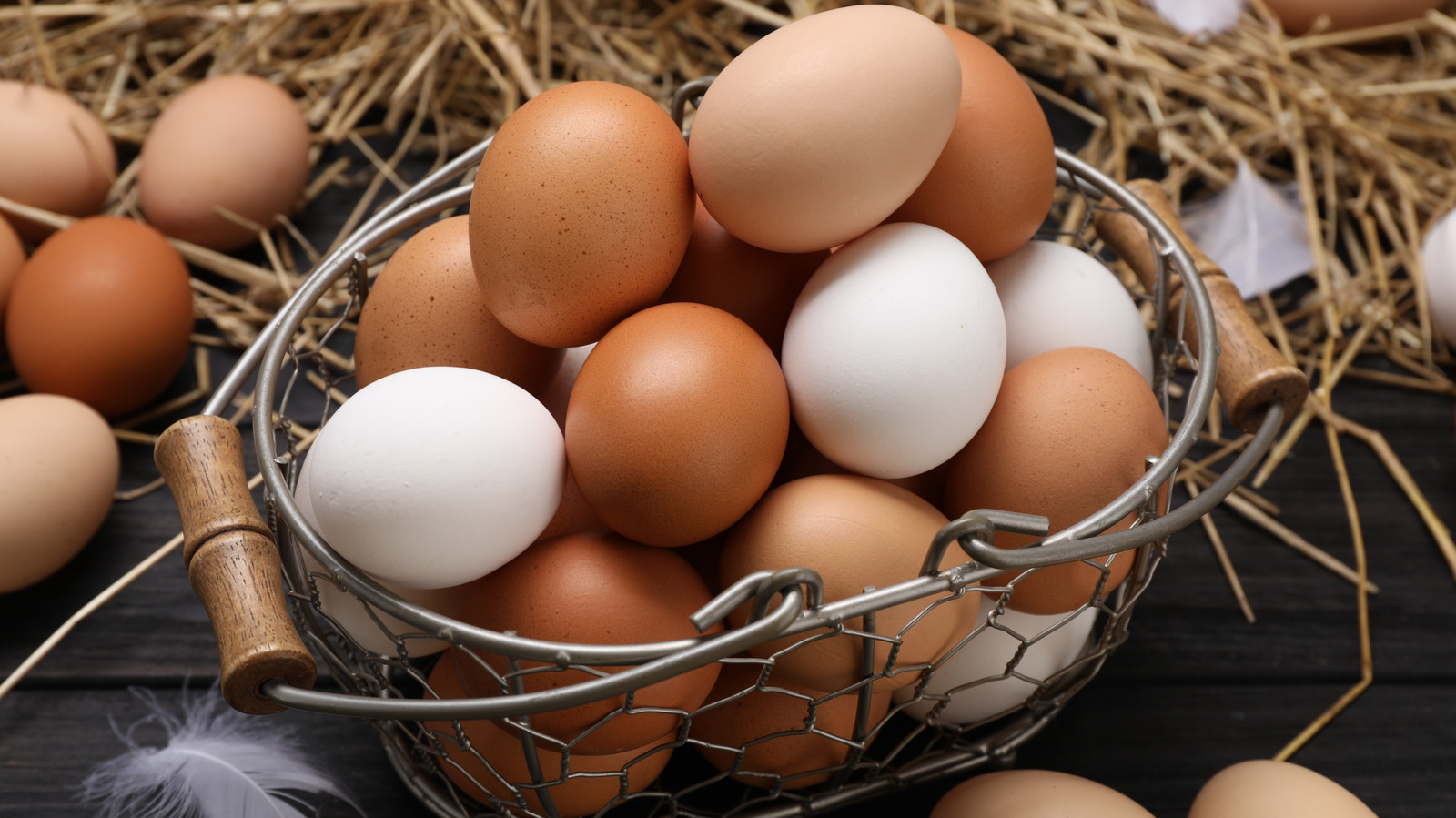
Egg expiration dates are quality guidelines, not safety cutoffs; use the Julian packing date and refrigerate to judge freshness, while salmonella risk depends on cooking, not age.
Everyday cooking
fromTasting Table
9 hours agoThe Expiration Date On Eggs Isn't Set In Stone - Here's When They're Still Safe To Eat - Tasting Table
Egg expiration dates are quality guidelines, not safety cutoffs; use the Julian packing date and refrigerate to judge freshness, while salmonella risk depends on cooking, not age.

fromTasting Table
6 days agoDoes Your Water Always Boil Over? You Already Own The Easiest Solution - Tasting Table
The spoon also needs to be clean and dry and sit across the pot evenly to work most effectively. There's also only so much a spoon can do -- nothing can be done about a pot that's far too full, and this method won't work if there's a lot of sugar in the liquid. Finally, you should place the spoon on the pot before the water starts to boil too much.
Everyday cooking
fromTasting Table
1 week agoFreeze Eggs Into Perfect Portions Using A Tool You Probably Already Own - Tasting Table
When stored correctly, frozen eggs are safe to eat for up to 12 months. But don't just toss them into the freezer - the shells will crack as the eggs expand during freezing. Silicone muffin cups are the ideal size and shape for freezing whole eggs, and the non-stick flexible sides come in handy when it's time to remove them.
Everyday cooking
fromMail Online
1 week agoScientists issue urgent warning over 'boy kibble' trend
Rice is a problematic food for batch meal making. That is because cooked rice is the perfect breeding ground for Bacillus bacteria. If these start to grow in your food, eating an infected bowl of boy kibble can lead to severe nausea and vomiting that can last days.
Everyday cooking
fromRealagriculture
1 week agoProposed livestock traceability changes are "necessary incremental improvements": Kee Jim
“I think that the traceability changes, the enhancements to our existing system are necessary incremental changes that would put us in a much better position to deal with a animal disease issue or a food safety issue,” Jim says. “We haven't made any changes to the system for over 20 years.”
Agriculture
fromTasting Table
2 weeks agoThese Pepperoni Details Could Be A Red Flag At Pizzerias - Tasting Table
“One of the biggest red flags is pepperoni that looks lifeless after the bake - perfectly flat, pale, rubbery, and almost steamed-looking instead of crisped,” Brohner said. “Great pepperoni should react to the oven. It should blister, curl, char slightly around the edges, and develop texture.”
NYC food
Everyday cooking
fromEsquire
2 weeks agoLooking to Ditch Plastic in the Kitchen? These Are the 6 Best Wood Cutting Boards You Can Buy.
End-grain boards cost more and resist staining and drying better, while maple is a common, affordable wood choice; wood is preferred over plastic due to microplastics concerns.
Everyday cooking
fromTasting Table
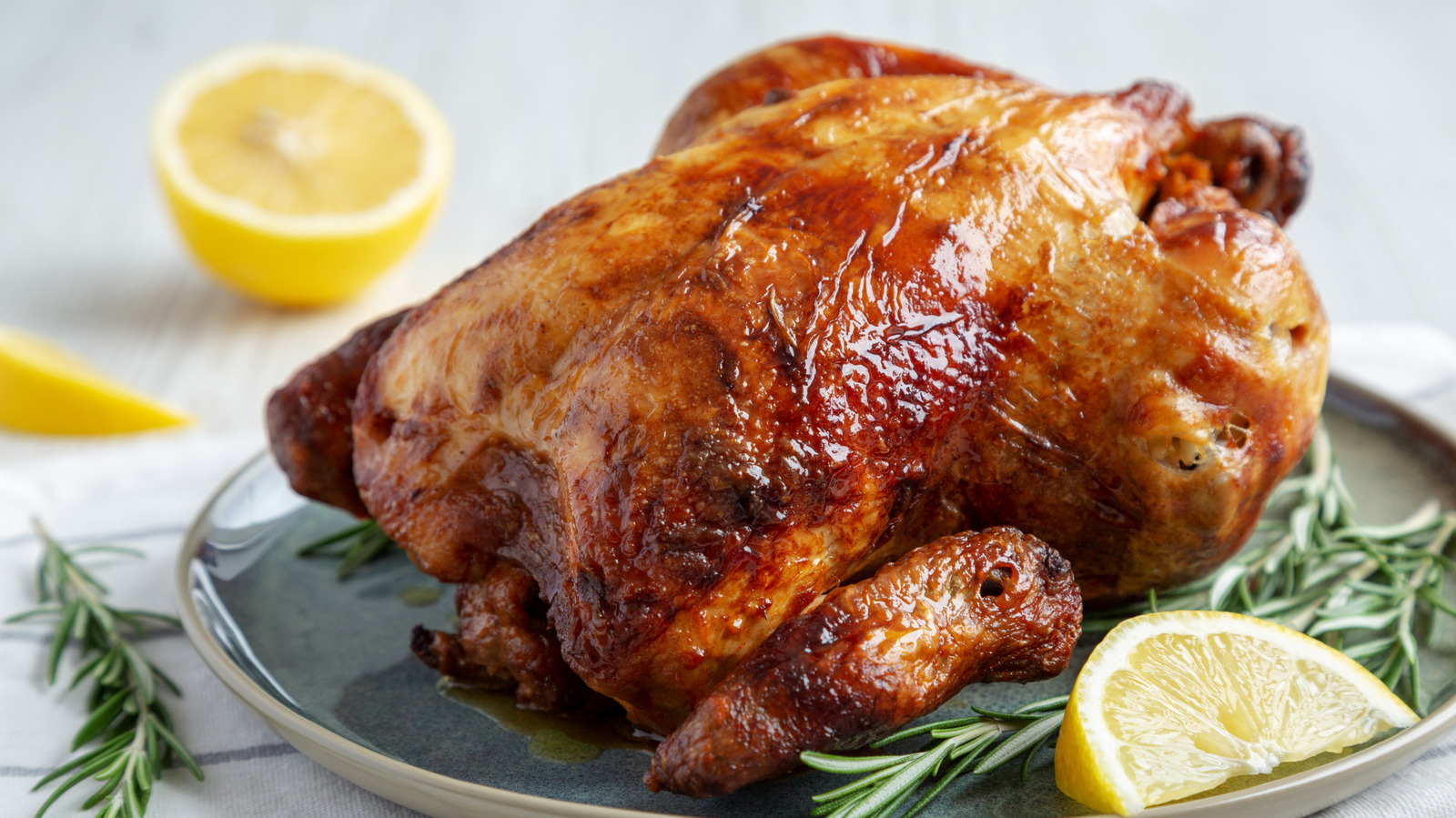
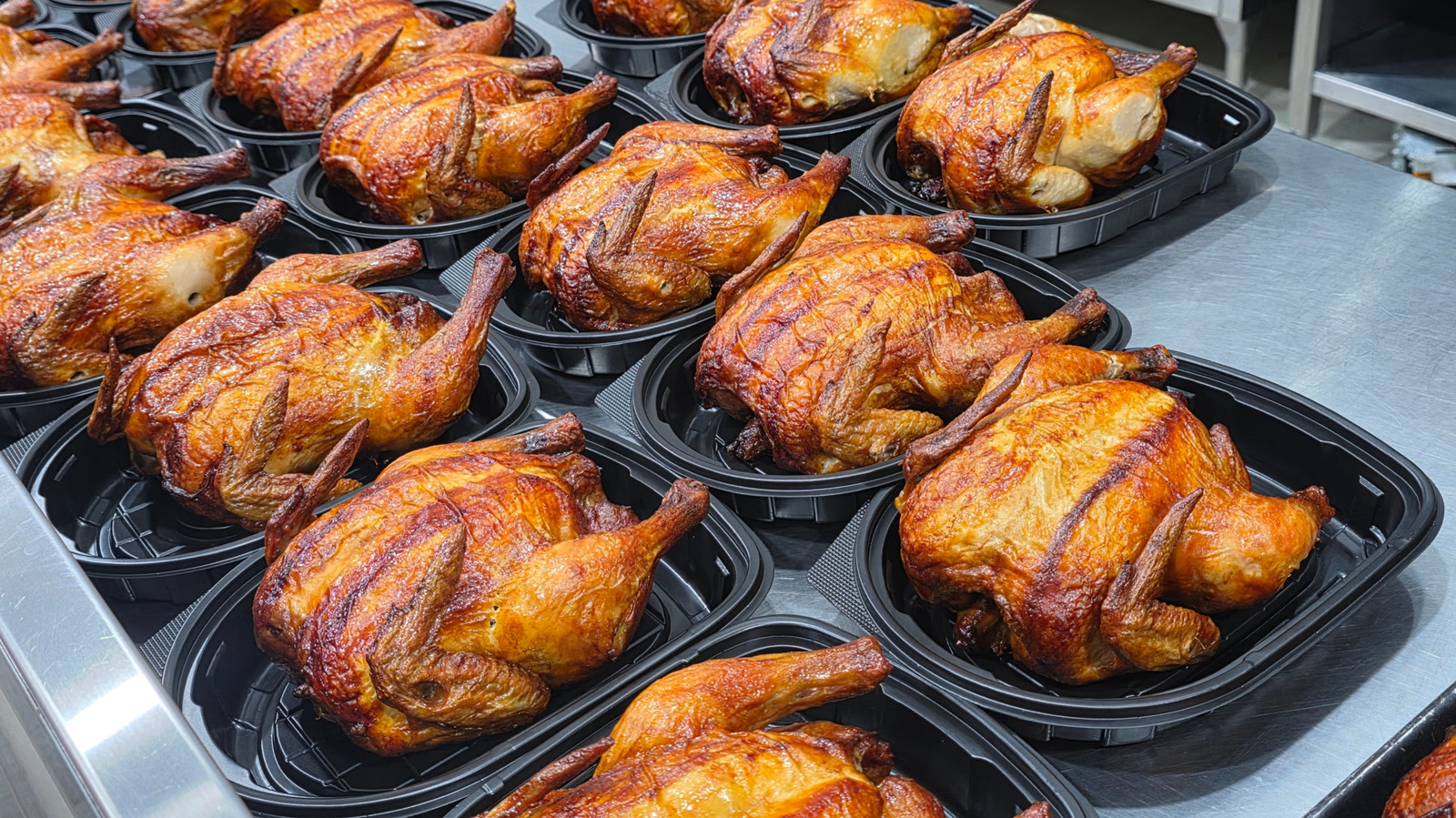
2 weeks agoThe Reason Rotisserie Chicken Can Look Pink (Even When It's Not Undercooked) - Tasting Table
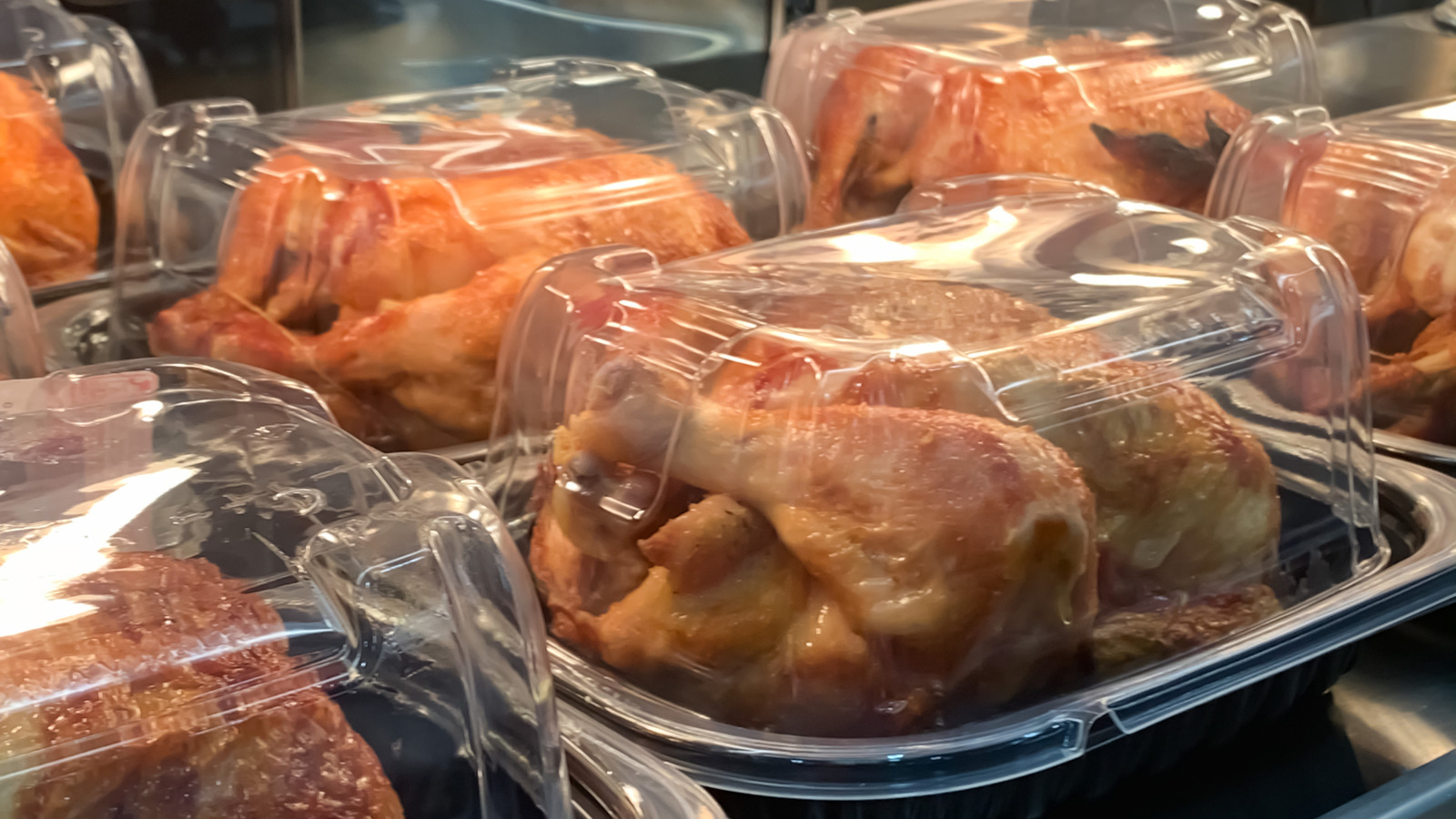
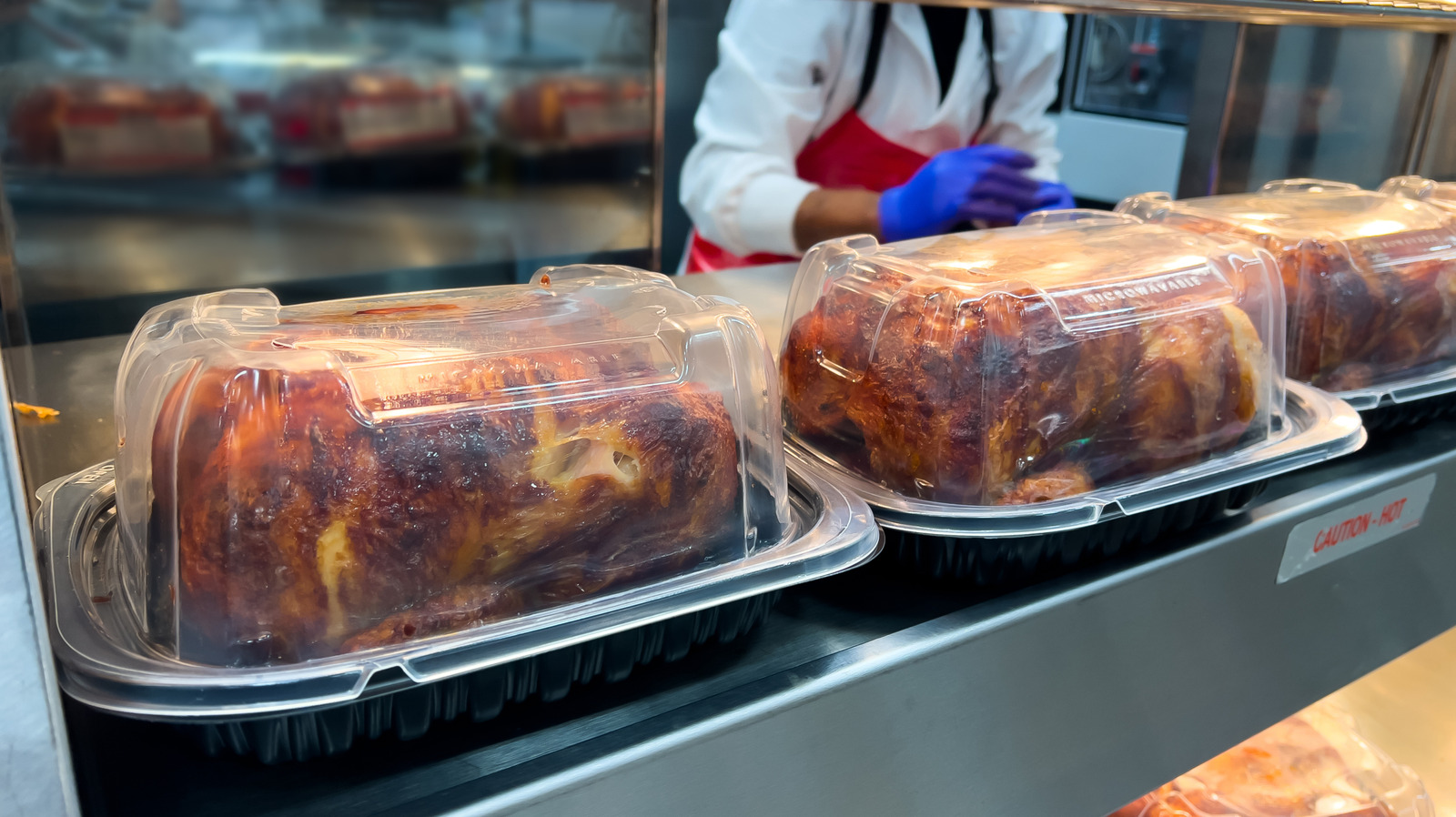
Pink or rosy tint in rotisserie chicken can occur in safely cooked poultry due to unreliable color cues, bird age, gas-fired rotisserie effects, and marrow pigment leaching.
fromTasting Table
2 weeks agoA Small Business Owner Saved This World War II-Era Chocolate Brand From Extinction - Tasting Table
The Sky Bar hit the market in 1938 with its unique offering: four candy compartments filled with caramel, vanilla, peanut, and fudge. This made it the perfect candy bar for indecisive snackers. The brand was owned by New England Confectionary Company (NECCO), one of the biggest candy manufacturers in America at the time, and they spared no cost on marketing its latest product. The announcement was made in spectacular style, with the name emblazoned across the sky in giant letters that stretched across 10 miles by a skywriting plane.
Silicon Valley food
Agriculture
fromSilicon Canals
2 weeks agoContaminated food batches routinely reach shelves because lab results take days - and a quiet German sensor startup just raised 2.6M on a bet that the new compliance baseline is hours - Silicon Canals
A German deeptech startup raised €2.6M Seed funding to commercialize a sensor chip platform that detects food pathogens within hours instead of days.
fromTasting Table
3 weeks agoWhy You Should Avoid Freezing Deviled Eggs - Tasting Table
The reason you should avoid freezing a cooked egg white is that it will have a yucky texture when it is defrosted. An egg white is a tight network of proteins that trap water in place. Freezing and thawing disrupts that arrangement irrevocably, causing them to unravel, a process called protein denaturation. As the ice crystals form under freezing conditions, they force their way through the tight protein network, leaving behind tiny ruptures, so when the egg thaws, it comes out rubbery and wet.
Cooking
fromTime Out New York
3 weeks agoNew York may soon ban a specific ingredient found in local bagels. Will the food now taste differently?
Potassium bromate is a dough conditioner that bakers have long used to strengthen dough, improve elasticity and create a more consistent final product, especially helpful in New York's unpredictable weather.
NYC food
Public health
fromLondon Business News | Londonlovesbusiness.com
3 weeks agoHow food safety events influence retail confidence - London Business News | Londonlovesbusiness.com
Food safety is a collective responsibility across the supply chain, and breaches can significantly erode consumer trust in retailers.
fromTasting Table
4 weeks ago10 Strict Rules DoorDash Drivers Must Follow - Tasting Table
DoorDash's rules exist to ensure that customers feel safe receiving deliveries and to maintain the company's reputation. They also help reduce the company's legal liability, aiming to prevent Dashers from knowingly or unknowingly breaking local, state, or federal laws.
Privacy professionals
fromTasting Table
1 month agoAndrew Zimmern Finds This Ingredient 'Disgusting' (But So Many People Love It) - Tasting Table
Raw cookie dough is disgusting. Cookie dough tastes better cooked. Why would you leave it in its untransformed, its nascent state, when 10 minutes in the oven turns it into something that is the food of the gods?
Berlin food
fromwww.standard.co.uk
1 month agoFather of teen who died after allergic reaction in London restaurant slams government for failing to change law
Owen Carey died after eating dairy at a Byron burger restaurant, where he had informed staff about his allergies but was unaware of the buttermilk in his meal. He collapsed shortly after eating and was pronounced dead later that day.
London food
[ Load more ]