#bay-area-rain
#bay-area-rain
[ follow ]
#bay-area-weather #climate-change #california #weather #bay-area #sierra-nevada #drought #rain #strong-winds #snowpack
fromEast Bay Express | Oakland, Berkeley & Alameda
2 hours agoFrom totally harsh to thriving marsh
The transformation of Pacheco Marsh from a scarred dumping ground into a pristine wetland represents a significant achievement in environmental restoration, showcasing the potential for nature to reclaim industrial sites.
Mission District

fromABC7 San Francisco
3 weeks agoBay Area weather radar network aims to improve storm forecasting, flood prep and drought planning
"This is going to help fill that gap in minutes to hours lead time that's vital to know where the heaviest rain is going to hit," Ralph said. "And when and what communities are going to be affected so people in the preparedness community and water resource management community can take action to help protect people's lives and property."
San Francisco
Snowboarding
fromSnowBrains
1 month agoSnowBrains Forecast: Historic Warmth and a Mostly Dry California Stretch - SnowBrains
California ski resorts face warm, dry conditions with no snow through early next week, mild nights limiting overnight recovery, and only a gradual temperature decline by weekend.


East Bay (California)
fromKqed
1 month agoRecord-Breaking Heat Wave Bakes the Bay Area Through Friday | KQED
An unprecedented early-season heat wave is bringing temperatures 30 degrees above normal to California, with the National Weather Service issuing its earliest March heat advisory ever, creating elevated wildfire risk and heat illness concerns.
Agriculture
fromwww.pressdemocrat.com
1 month agoLow snowpack, higher temperatures cause concern for Bay Area scientists, farmers
California needs significant March rain and snow to restore water resources after an unusually warm winter, despite February storms improving reservoir levels to 70-80% capacity.
fromSFGATE
1 month agoBay Area's hot and dry weather will make your eyes water
That does make the plants begin to pollinate. The warm weather definitely gets them going and at higher levels in the air, absolutely. When we're seeing a bit more windy days, that can also increase that amount of pollen that's in the air.
San Francisco
fromThe Mercury News
2 months agoAnticipated rain will bring end to Bay Area's dry pattern
The pattern change began Monday when the barometric pressure surrounding the region started to fall gradually. That increase in low pressure is coming from the southwest and the air is flowing north, opposite of many winter low-pressure systems that dip in from the Pacific Northwest. As a result, light but steady rain is expected to start in Monterey County and the Central Coast late Tuesday morning. The rain is expected to reach the region closer to San Francisco sometime Tuesday night, Murdock said.
Environment
fromwww.mercurynews.com
2 months agoAfter one-day blip, Bay Area's dry winter weather to return
A weather pattern with high barometric pressure that has remained firmly in its place for much of January is about to rebuild again after a brief 24-hour break that allowed a small amount of rain to leak into areas of the Bay Area on Tuesday. For areas such as the East Bay and South Bay, it's anyone's guess as to when they may see some more. The showers have generally subsided, National Weather Service meteorologist Rachel Kennedy said.
Environment





fromsfist.com
2 months agoDry Spell Expected to Persist Until Mid-February, or Longer
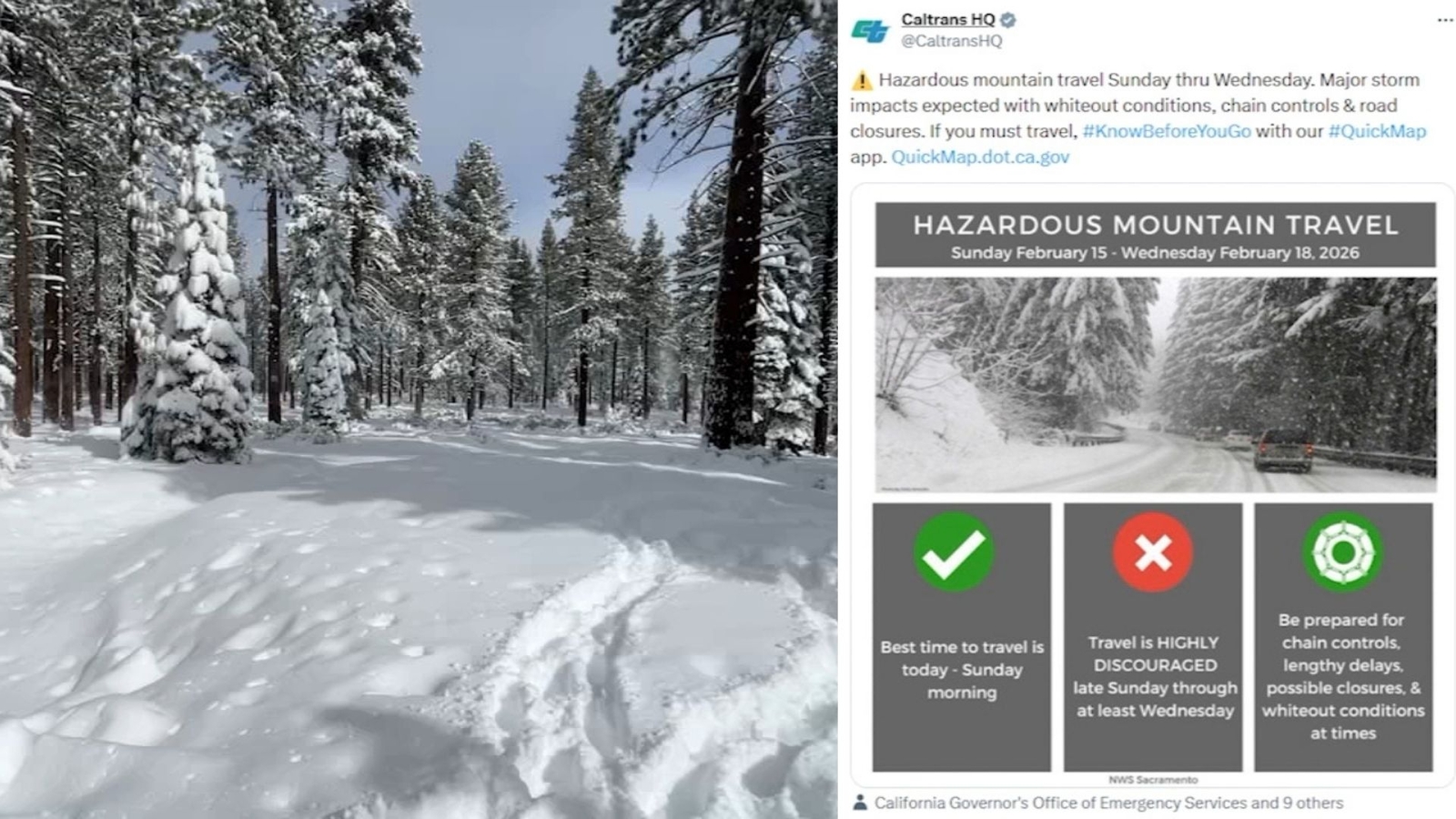
It's turned into an unusually dry winter for Northern California, and that pattern, thanks to a ridge of high pressure, is going to continue for at least the first 10 days of February. As the Chronicle meteorology team tells us, the dry and balmy conditions will be with us through Super Bowl Weekend and beyond, continuing a pattern that has left the Sierra snowpack mighty low.
Environment
California
fromLos Angeles Times
1 month agoLittle snow in California and the West as a warm winter nears end
California's Sierra Nevada snowpack remains at 66% of average despite February storms, with record warmth causing precipitation to fall as rain rather than snow, threatening water supplies across the West.
fromKqed
3 months agoBay Area Climate Stories We're Watching This Year | KQED
Newsom's administration has touted his climate leadership, which has led to California's historic build-out of battery storage and the landmark program designed to reduce greenhouse gas emissions, newly renamed cap-and-invest - in California. But some environmental advocates and experts are second-guessing his climate record, including his support of legislation streamlining approval of new oil and gas wells, and not advocating for legislation that aims to hold industries accountable for fossil fuel-driven climate disasters.
California
fromKqed
2 months agoThe Bay Area Chill Could Set Record Lows in These Cities. Some Climate Scientists Are Worried | KQED
The Bay Area is about to get frigid enough to potentially break more than a century-old low temperature records in some cities. That's after a series of cold storms encompassed the region this week, dusting the highest peaks in snow. National Weather Service forecasters said they are evaluating whether to issue public alerts for extreme cold over the next 48 hours, with the possibility that the frigid temperatures extend deeper into Friday and linger into Saturday.
Environment
Environment
fromThe Mercury News
1 month agoLow snowpack, higher temperatures cause concern for Bay Area scientists, farmers
March precipitation in higher elevations is critical for California's water security as snowpack remains significantly below average despite February storms and warm winter conditions.
fromwww.mercurynews.com
2 months agoSuper Bowl should be spared as rain returns to region
Despite an influx of low pressure that's expected to influence the area beginning Friday, the National Weather Service said the 60th edition on Sunday should stay dry. We are expecting some rain over the North Bay of the region if anything happens at all, NWS meteorologist Roger Gass said Wednesday. And whatever rain falls Sunday should be very light. As for Santa Clara, the site of Super Bowl LX?
Environment
[ Load more ]