#black-history-month
#black-history-month
[ follow ]
#stand-up-comedy #san-francisco #lunar-new-year #oakland #black-owned-business #fluid510 #racism #education



Social justice
fromwww.amny.com
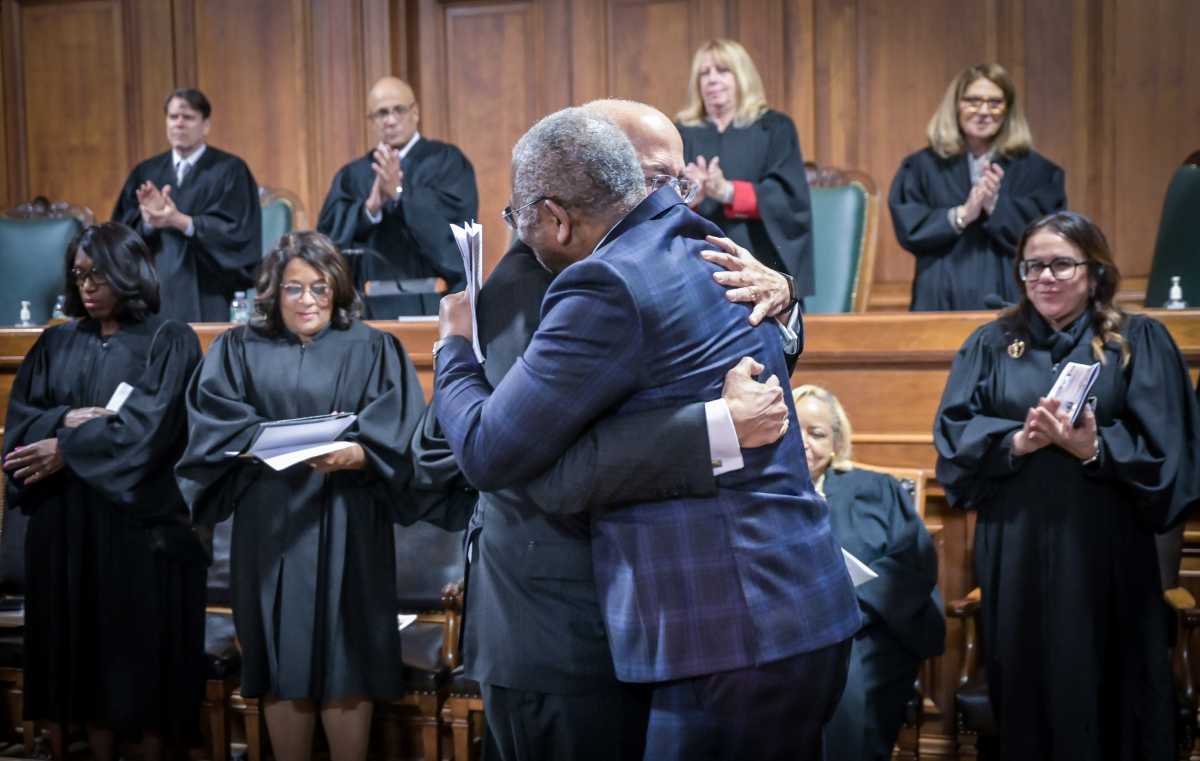
2 months agoNY Court System celebrates Black History Month by remembering Frederick and Anna Murray Douglass's legacy | amNewYork
The state court system honored Frederick Douglass and his wife Anna Murray Douglass during Black History Month, emphasizing the importance of preserving Black history and learning from their advocacy for justice and equality.


Mission District
fromMission Local
2 months agoSan Francisco's first-ever Black history bike ride kicks off in Bayview
San Francisco held its first Black History Month bike ride, combining exercise with education about historical Black figures and their contributions to civil rights and American history.
fromEntrepreneur
2 months agoBlack History Month Feels Different This Year - And So Should Your Leadership
The people carrying the heaviest weight are often the ones least likely to speak up. They're balancing Q1 deliverables with questions that never make it to a staff meeting: Does anyone see what's happening? Will anyone acknowledge it? If I speak up, what does it cost me?
Business
History
fromPsychology Today
2 months agoWhy Your Life Is Positively Impacted by Black History Month
Black American history is integral to U.S. history and shapes global popular culture; understanding this history through unlearning misconceptions and learning truth promotes psychological well-being and societal equity.
fromwww.amny.com
2 months agoAt Harlem's The George Manhattan Hotel, Tapestry Collection by Hilton, Black history is built into the experience | amNewYork
Black History Month is personal for me. It's about honoring resilience, creativity, leadership; in my position, it's about creating opportunities for the local community and opening doors for local businesses, said Sam Martinez, General Manager of The George.
Fashion & style
Music
fromBlavity News & Entertainment
2 months agoHBCUs Celebrate Michael Jackson's Legacy In New 'Michael' Black History Performances - Blavity
Three HBCUs performed distinct interpretations of Michael Jackson's 'Don't Stop 'til You Get Enough' for Lionsgate's Black History Month celebration honoring Jackson's cultural influence.
Social justice
fromThe Nation
3 months agoIn the Trump Era, Celebrating Black History Month Feels Radical Again
Corporate brands significantly reduced Black History Month marketing and social media engagement in 2025 compared to their performative displays following George Floyd's 2020 murder, reflecting broader retreat from racial equity commitments.
fromwww.cbc.ca
3 months agoStudents, Black professionals celebrated in new exhibit for Black History Month | CBC News
Students across the Greater Toronto Area are recognizing inspiring Black professionals in a variety of fields in a new exhibit to mark Black History Month. The We Are Canada exhibit opened Saturday to celebrate the essays and photos taken by students showcasing leaders of the Black community in different areas of work. "We Are Canada gives students the opportunity careers, career progression and become inspired by what they see," said Angela Henry, director of communications for the Lifelong Leadership Institute. "And also gain the understanding that Black people have been involved in areas of work across many positions in Canada."
Canada news

fromFuncheap
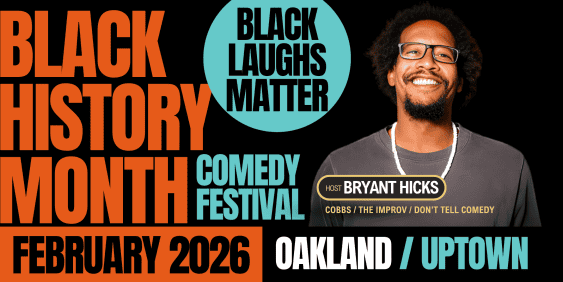
3 months agoFREE Oakland Black History Comedy Night (Feb 2026)
Celebrate Black History Month (and a little bit more) with live stand-up in Uptown Oakland, featuring rotating lineups of rising Black comedians alongside standout Bay Area pros and special guests. Each show features 4 to 5 comedians delivering a 70+ minute comedy show with credits including Cobb's Comedy Club, Punch Line SF, SF Sketchfest, Don't Tell Comedy, The Improv, San Francisco Comedy Competition, and more.
Humor
fromFuncheap
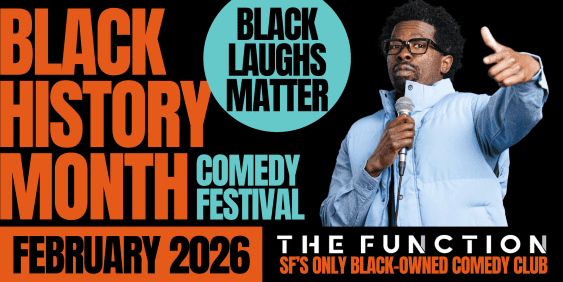
3 months agoFREE San Francisco Black History Month Comedy Festival 2026
Celebrate Black History Month with live stand-up at San Francisco's first Black-owned comedy club. Featuring the Bay Area's best rising Black comedians, rotating lineups with credits like Cobb's, Punch Line, SF Sketchfest, Cheaper Than Therapy, and often surprise drop-in sets from touring comics. Each show features 4 to 5 pro comedians performing 70 to 90 minutes of stand-up in an intimate clubhouse-style venue on Market Street.
Humor




Portland food
fromPortland Mercury
3 months agoGood Morning, News: Cop Union Wants That Sweet Climate Money, ICE and DHS Loses Funding, and RIP to the King of Enchanted Forest
Portland Mercury requests reader support while reporting local news, featuring a Black History Month print issue, and covering a court challenge over PCEF funds.
fromBuzzFeed
3 months agoI Bet You Didn't Know These 19 Famous People Have Black Heritage
To be Black in the U.S. has such an expansive meaning that traces back to Europeans deciding who got to be "white." While some people, like the Italians and Irish, earned their way into "white-ness," those with even a drop of Black in their heritage were relegated to the lower rungs of the racial ladder.
Social justice
US politics
fromPortland Mercury
3 months agoGood Morning, News: US Border Czar Announces Minnesota Surge Wind Down, Washington DC Guard Troops to Stay Another Year, and Republican Lawmakers Want to Increase Voter Paperwork
Portland updates include a new Black History Month print feature, allegations of disability-accommodation retaliation in a council office, an Oregon legal bill, and impending rainy weather.
fromThe Washington Post
3 months agoThe 42 best things to do in D.C. this weekend and next week
This is one of the biggest holiday weekends of the year, as celebrations of Mardi Gras, Valentine's Day and Presidents' Day overlap and blur. (Sadly, no one organized our dream soiree with a brass band performing for singles dressed as Babe-raham Lincoln and other sexy presidents.) We have separate lists for the area's best Mardi Gras parties, Black History Month events, Lunar New Year celebrations,
Washington DC


Higher education
fromInside Higher Ed | Higher Education News, Events and Jobs
3 months agoFAMU Says Censoring the Word "Black" Was a Mistake
FAMU mistakenly restricted use of the word "Black" on Black History Month fliers due to a staff-level misinterpretation of Florida law, then reversed the restriction.
Higher education
fromAbove the Law
3 months agoFAMU Puts 'Black' Back In Black History Month After Clearing Up Bad Legal Interpretation - Above the Law
Fearful enforcement of anti-DEI rules led FAMU law students being initially told they could not use "Black" to advertise Black History Month, a decision later reversed.
Food & drink
fromTasting Table
3 months ago9 Black-Owned Los Angeles Restaurants Worth Supporting During Black History Month - Tasting Table
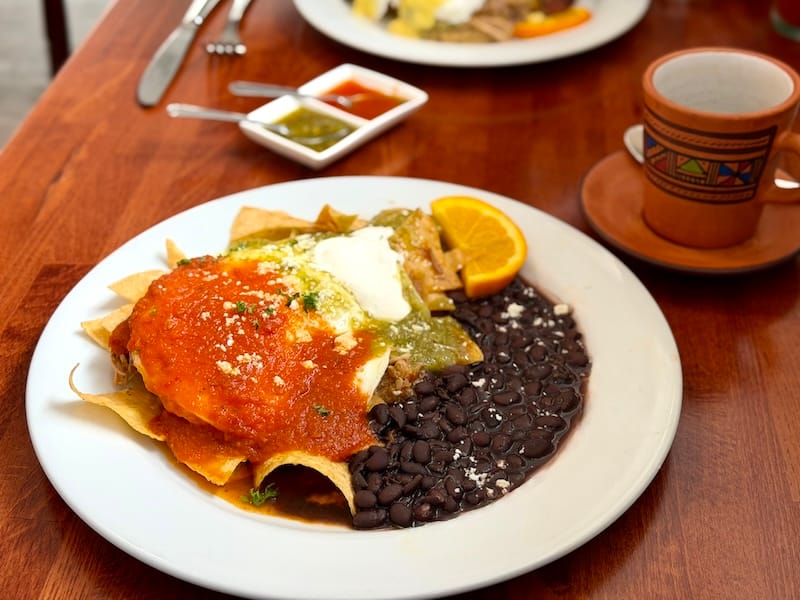
Los Angeles features many notable Black-owned restaurants offering diverse cuisines—from vegan Caribbean fare to Tex‑Mex, overflowing roti wraps, and fine dining exploring the African diaspora.

fromWashingtonian - The website that Washington lives by.
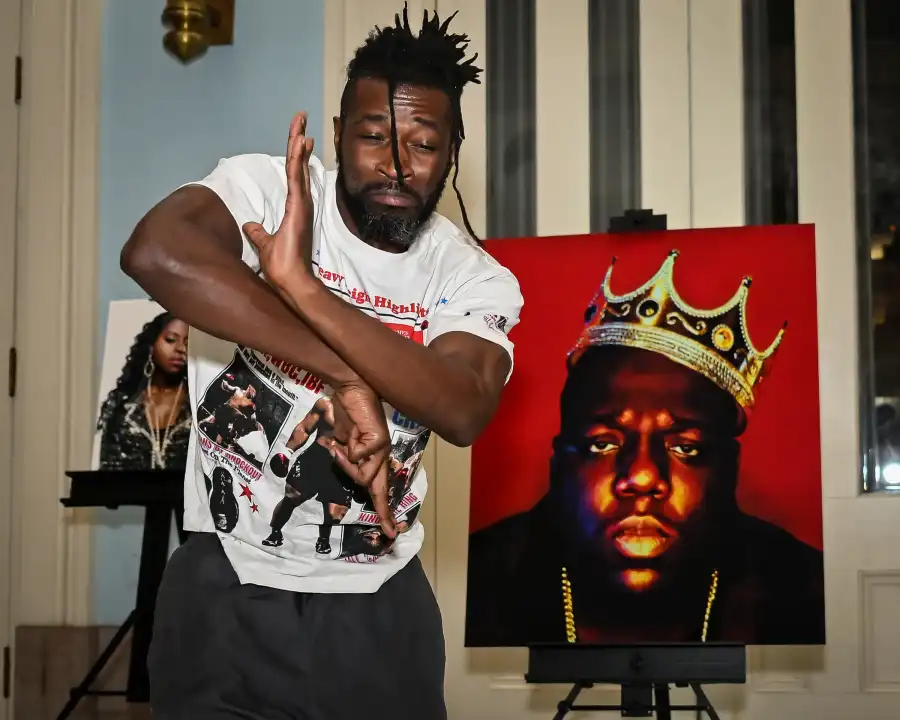
3 months ago9 Ways to Celebrate Black History Month in the DC Area
February is Black History Month, and we've put together a list of ways to commemorate the occasion. From new exhibits and films, to history tours and Black-owned tastings, there are a number of ways to celebrate Black culture this month.
Social justice
Music
fromOregon ArtsWatch * Arts & Culture News
3 months agoOregon celebrates Black History Month * Oregon ArtsWatch
Oregon communities are hosting music, poetry, dance, theater, library programs, and food-justice initiatives to celebrate Black history, culture, and community resilience during February and beyond.
fromWashingtonian - The website that Washington lives by.
3 months ago24 Things to Do in the DC Area This Week and Weekend
Discover the history of five Historically Black Colleges and Universities (HBCU) in the museum's recently opened "At the Vanguard" exhibit throughout the month. This week, there's a curator tour about American military history on Wednesday, and a Harlem Renaissance book talk with writer A'Lelia Bundles on Thursday (exhibit closes July 19 , free, events require registration, Smithsonian NMAAHC).
Washington DC
Chicago White Sox
fromwww.mediaite.com
3 months agoChicago White Sox Legend Trashes Team Over Stunning Omission from Social Media Post Honoring Black Players
Frank Thomas publicly criticized the Chicago White Sox after being omitted from the team's Black History Month social media post honoring notable Black players.
fromwww.london-unattached.com
7 months agoBlack History Month Draft Works Review
Five young Black women choreographers came together for two evenings of Draft Works marking The Royal Ballet's association with Black History Month; and the first thing to note is the sheer abundance of ideas on show. That, and the obvious talent of these young women, most of them barely past 20-years-old. In his introduction, Royal Ballet Principal Marcelino Sambe, who curated the programme, described the women's voices as simultaneously powerful and vulnerable, adding that, in his view, they were the future of dance.
Arts
fromThe Art Newspaper - International art news and events
7 months agoFive must-see UK exhibitions this Black History Month
For this year's Black History Month, the theme is Standing Firm in Power and Pride, honouring the resilience, innovation and fortitude of Black people in the UK and beyond. It celebrates the community's contributions across many fields, including the arts and culture, as reflected in a selection of brilliant new exhibitions. These range from explorations into the artists and groups
Arts
[ Load more ]