#border-wall
#border-wall
[ follow ]
#eminent-domain #immigration-enforcement #environmental-impact #trump-administration #immigration-policy
fromThe New Yorker
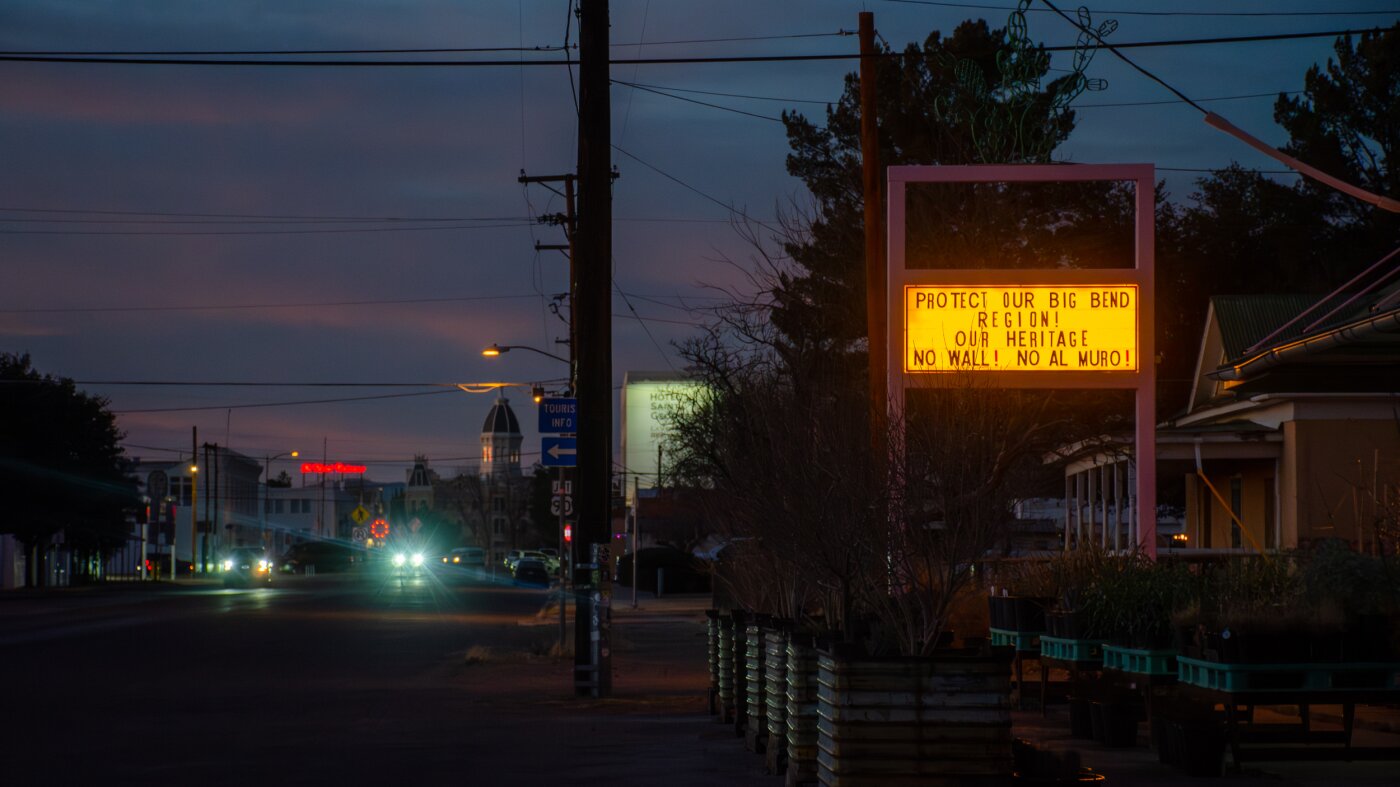
2 weeks agoThe Texas Border Wall Opposed by Both Environmentalists and Republicans
Last fall, loops of razor-wire fencing were strung along the Rio Grande in the Big Bend area, a remote region of far West Texas. Then, in January, residents heard rumors that a steel barrier was in the works. The wall along the southern border of the United States, whose construction began in the early nineties, under President George H. W. Bush, spans some seven hundred miles. The Big Bend region had previously been a low priority, owing to its rugged terrain and low number of illegal crossings.
Right-wing politics
fromThe Nation
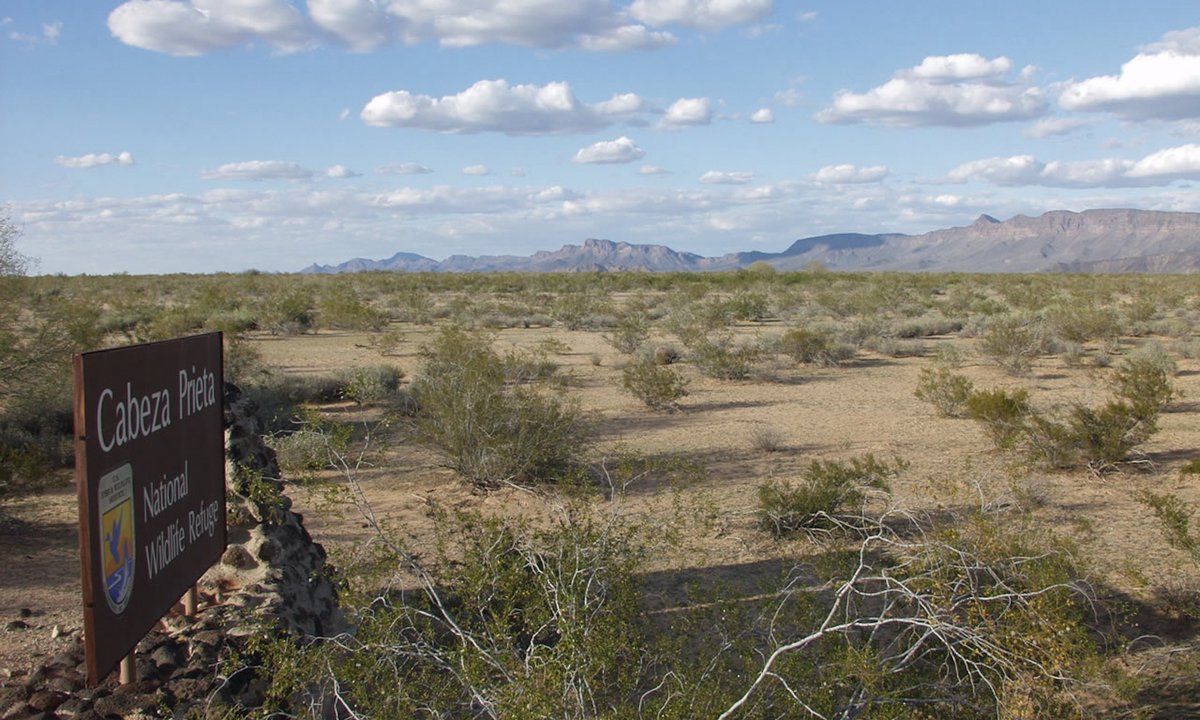
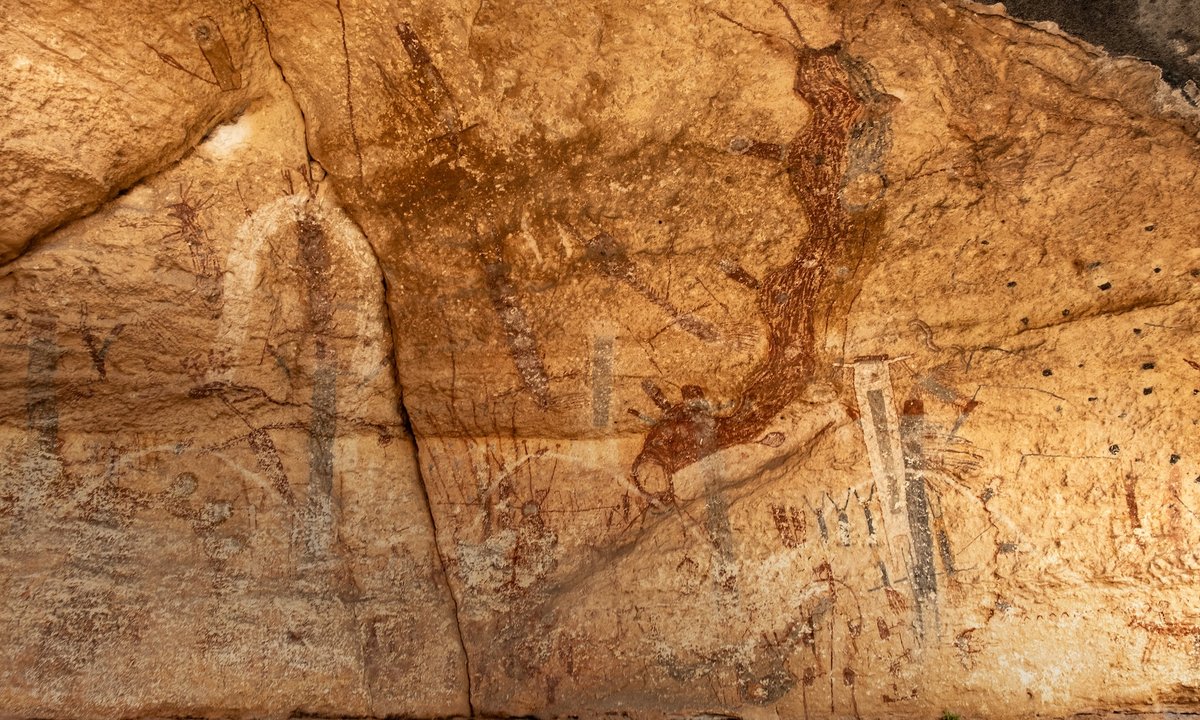
3 weeks agoThe Long Nightmare of Trump's Border Wall Is Still Going
The major media have scarcely breathed a word on the subject. But it's still there, 30 feet tall, aspirationally 1,952 miles long, obliterating habitats, dividing families, and sucking down public funds faster than a carrier-based air squadron.
US politics
Environment
fromNonprofit Quarterly | Civic News. Empowering Nonprofits. Advancing Justice.
1 month agoIn a Warming World, Border Walls Increasingly Harm Wildlife | Nonprofit Quarterly | Civic News. Empowering Nonprofits. Advancing Justice.
The U.S.-Mexico border wall disrupts critical ecosystems, threatening endangered species and hindering wildlife migration.
fromenglish.elpais.com
1 month agoThe United States damages millennia-old archaeological site with explosives to build the border wall
The U.S. crackdown on migration from Mexico has destroyed a sacred site shared by both countries. Explosions were heard last weekend on Cuchuma Hill as part of construction work on the border wall.
Mission District
fromThe Washington Post
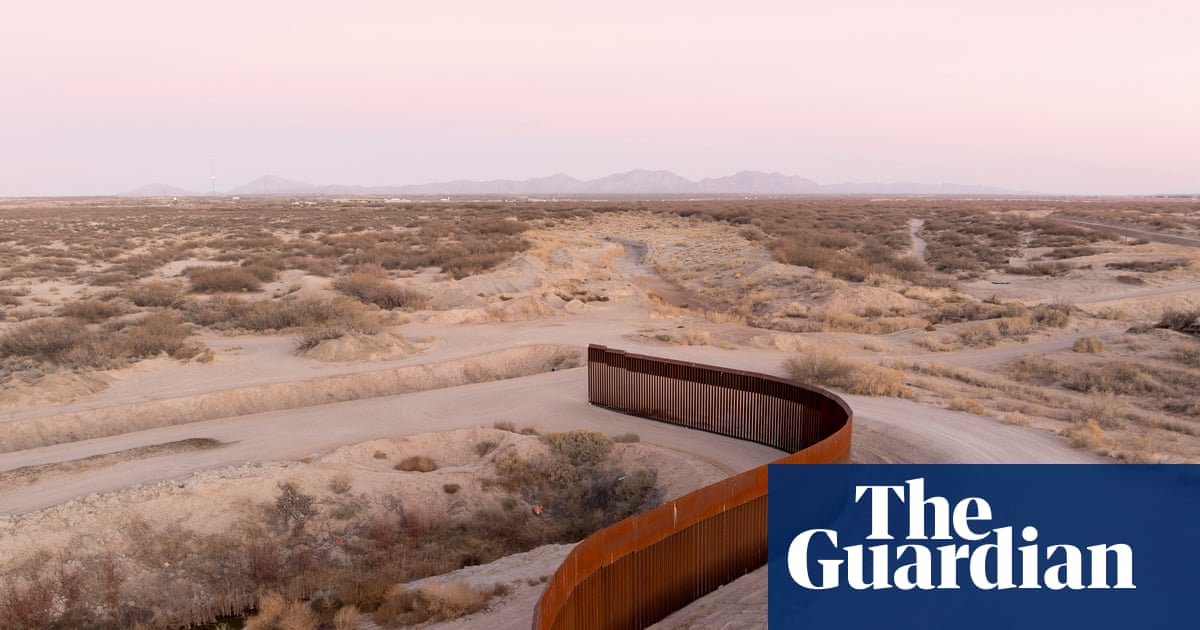
2 months agoA massive border wall expansion is underway
This is one of the largest public works projects in recent history for the U.S. It's fairly scary to think about the lack of oversight, the complete authority to build these walls without considering the environmental impacts.
US news
US politics
fromwww.sandiegouniontribune.com
7 months agoTrump administration plans to build 10 miles of new barrier along California-Mexico border
The Trump administration will build nearly 10 miles of border wall and upgrade 51.5 miles of San Diego–Mexico border infrastructure, waiving environmental laws.



fromBoston.com
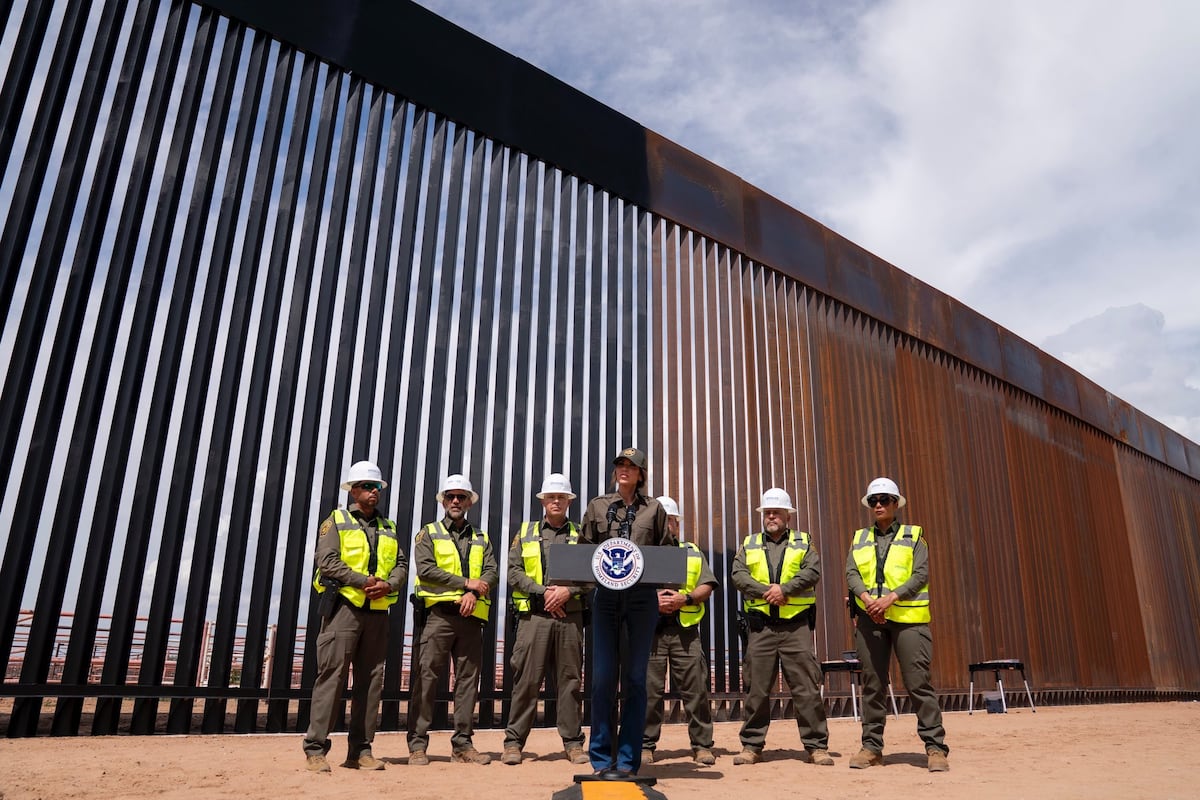
9 months agoKristi Noem says the entire southern border wall will be painted black to stop people from climbing it
That is specifically at the request of the president, who understands that in the hot temperatures down here when something is painted black it gets even warmer and it will make it even harder for people to climb. So we are going to be painting the entire southern border wall black to make sure that we encourage individuals to not come into our country illegally,
US news
fromHigh Country News
10 months agoSee what trail cams captured about Borderlands wildlife - High Country News
The border wall, a centerpiece of President Donald Trump's agenda, cuts through a rugged, unique ecosystem home to hundreds of native species, from jaguars and pumas to black bears and deer.
Environment
[ Load more ]