#breeding
#breeding
[ follow ]

fromRealagriculture
3 days agoHow chute-side data is reshaping livestock health management | RealAg Radio, April 14, 2026
Data-driven approaches in livestock health management can significantly enhance decision-making processes, leading to improved animal welfare and productivity in the agriculture sector.
Podcast
fromRealagriculture
3 days agoConsultation opens on draft Beef Cattle Code of Practice
The public comment period is an important opportunity for producers across Canada to review the draft Code and provide feedback on how it applies to their operations. Producer perspectives from across the country help ensure the Code reflects the diversity of Canadian beef production systems and remains practical for producers who raise cattle.
Online Community Development

fromFuturism
20 hours agoRobot Dogs Patrolling Precious Crops as Food Crisis Deepens
Bayer is supplementing human security patrols around its 8,000 acre Hawaiian corn farm with robotic security dogs, supplied by the tech firm Asylon. The Asylon dogs are meant to guard the company's precious maize from vandals, wildfires, wild fauna, and other hazards around the clock.
Agriculture
#de-extinction
OMG science
fromwww.theguardian.com
1 month agoCan scientists really resurrect the dodo? Inside the company that says they can
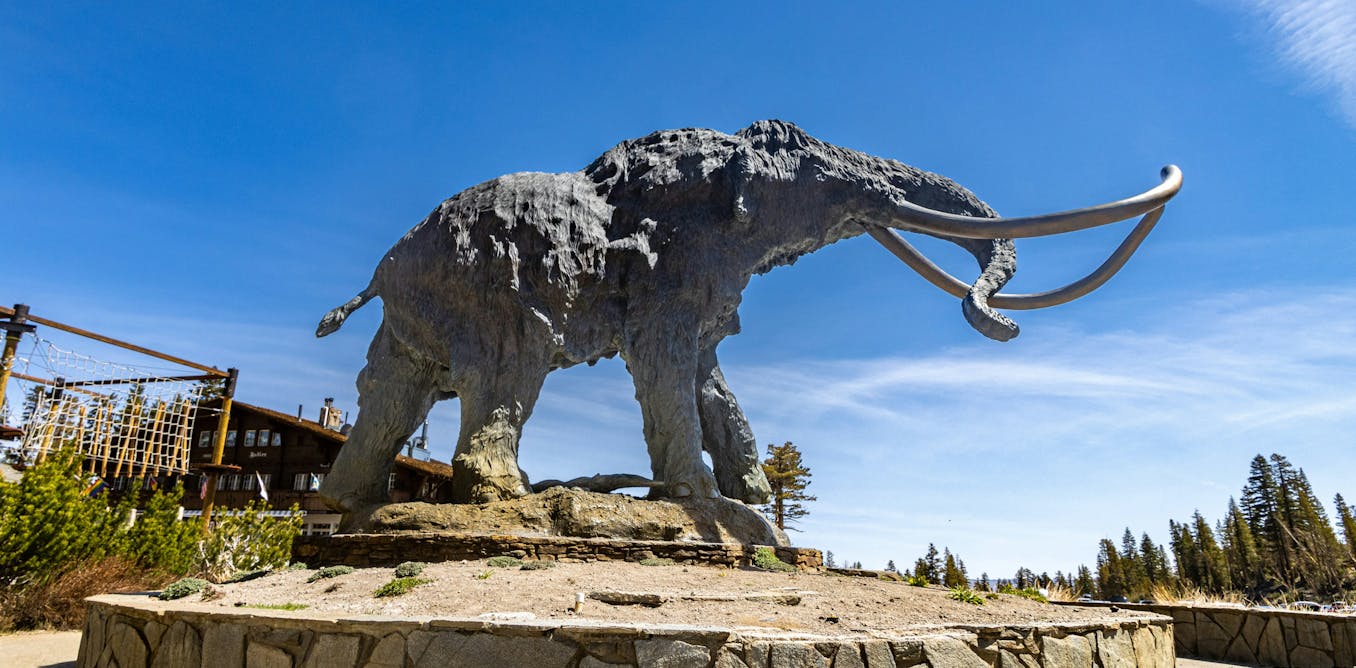
Colossal Biosciences is using ancient DNA and gene editing to resurrect extinct species including dire wolves, woolly mammoths, and dodos, raising questions about the ethics and feasibility of de-extinction technology.
OMG science
fromwww.theguardian.com
1 month agoCan scientists really resurrect the dodo? Inside the company that says they can
Colossal Biosciences is using ancient DNA and gene editing to resurrect extinct species including dire wolves, woolly mammoths, and dodos, raising questions about the ethics and feasibility of de-extinction technology.
fromNature
1 month agoPrevent pandemics through One Health commitments
Risks of outbreaks with pandemic potential rise with increasing land-use change, biodiversity loss and climate change. The Pandemic Agreement adopted by the World Health Assembly in 2025 marks a historic shift that establishes the One Health approach as a legally binding obligation for pandemic prevention.
Public health

fromwww.npr.org
1 month agoVaccinating bats could be good for people. But how do you vaccinate a bat?
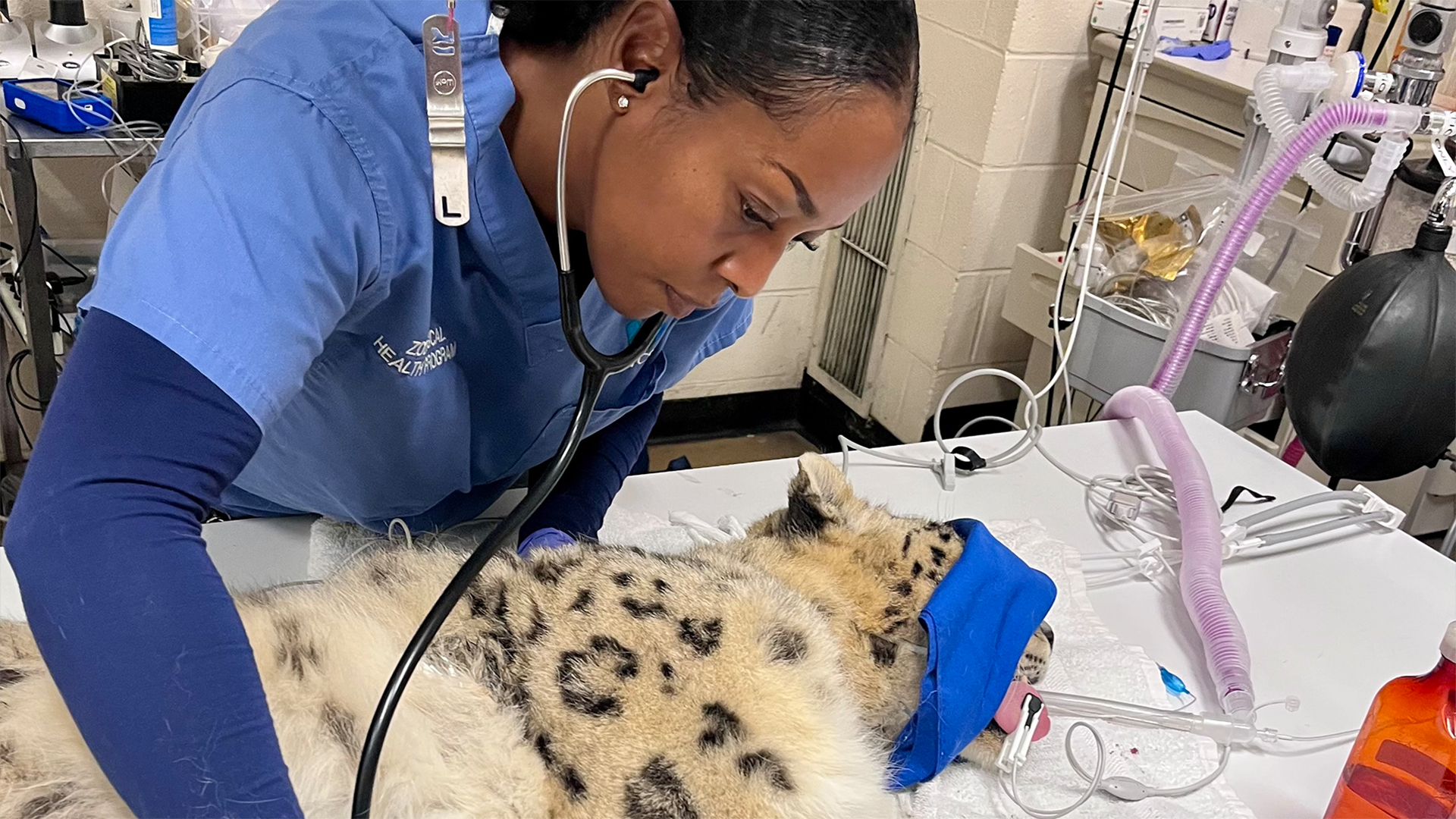
Bats carry a lot of very deadly pathogens like Ebola virus, Nipah, Hendra, coronavirus, and also rabies virus. People are finding more and more bat-borne viruses. When such viruses are transmitted to humans, the results are often fatal so there's a lot of interest in trying to prevent spillover in the first place.
Coronavirus
fromwww.archdaily.com
1 month agoGaughar Animal Husbandry / Compartment S4
Set within a 350-acre fruit orchard in Dahanu, Maharashtra, the 'Gaughar' occupies nearly 14 acres of a larger rural campus that includes a tribal school for 600 children and a skill development centre. More than an isolated structure, the gaushala forms part of a living landscape, one shaped by agriculture, learning, and care.
Renovation
OMG science
fromwww.scientificamerican.com
1 month agoKoalas show how species can bounce back from genetic dead ends
Koala populations demonstrate that genetic bottlenecks don't necessarily lead to extinction, with some species recovering surprising amounts of genetic diversity after population collapses.
Canada news
fromRealagriculture
1 month agoA clean pass under pressure: Why farmers need to take the next shift on plant breeding
Canadian agricultural research faces structural funding pressures and requires a new, diversified research strategy to preserve critical knowledge, regain lost ground, and compete globally.
fromwww.theguardian.com
3 weeks agoThe Guardian view on vets: there is nothing cuddly about this under-regulated market | Editorial
The Competition and Markets Authority found that consumers have overpaid roughly £1 billion in veterinary fees over five years, highlighting a significant issue in the market.
Pets
fromPsychology Today
2 months agoWhat Is Meat? It's Probably Not What You Thought
I'm thrilled I did, and my learning curve was vertical in this page-turning work that "offers a hopeful and rigorously researched exploration of how science, policy, and industry can work together to satisfy the world's soaring demand for meat, while building a healthier and more sustainable world." There is nothing "radical" about what likely will become a classic, one that is already endorsed by experts in global hunger, global health, climate change, and food security.
Food & drink
fromwww.dw.com
2 months agoHoly cow! Cattle may be a lot smarter than we thought
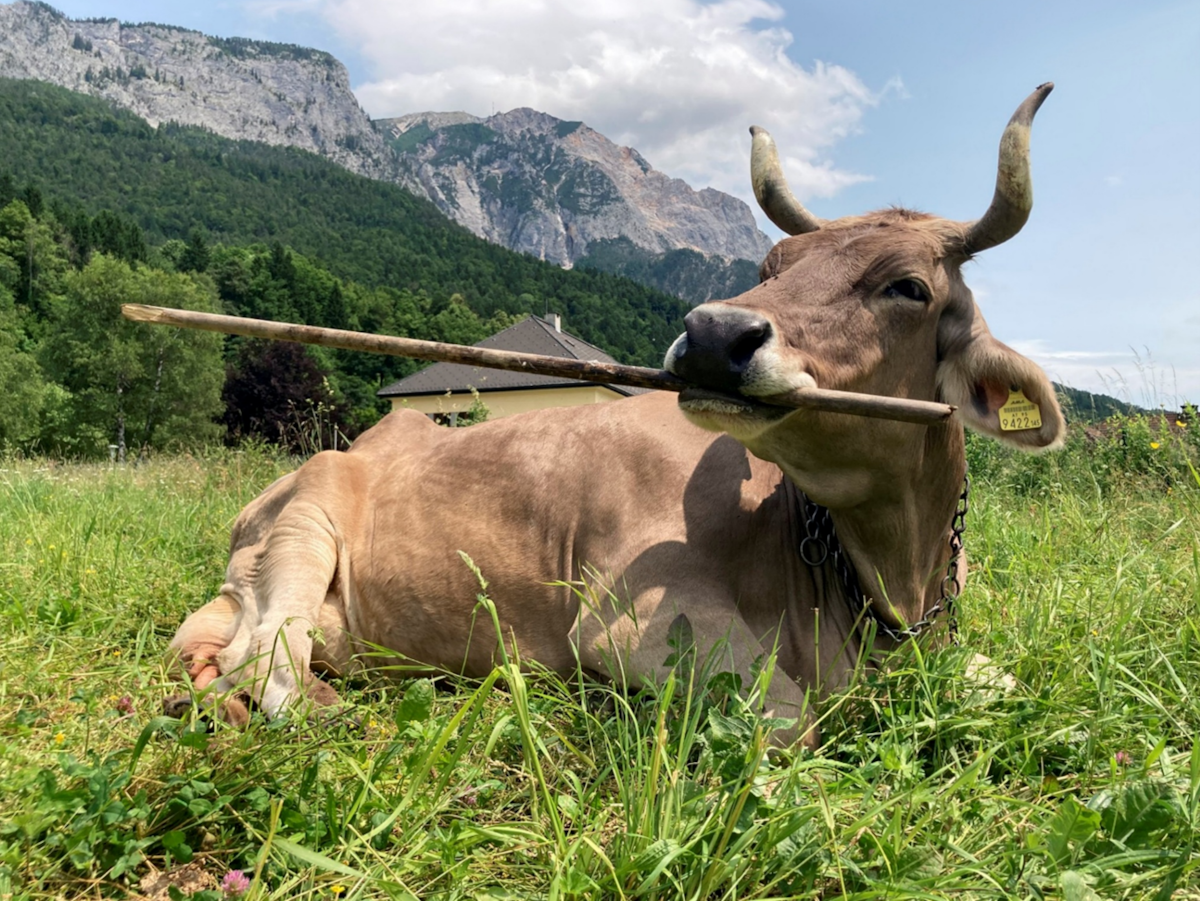
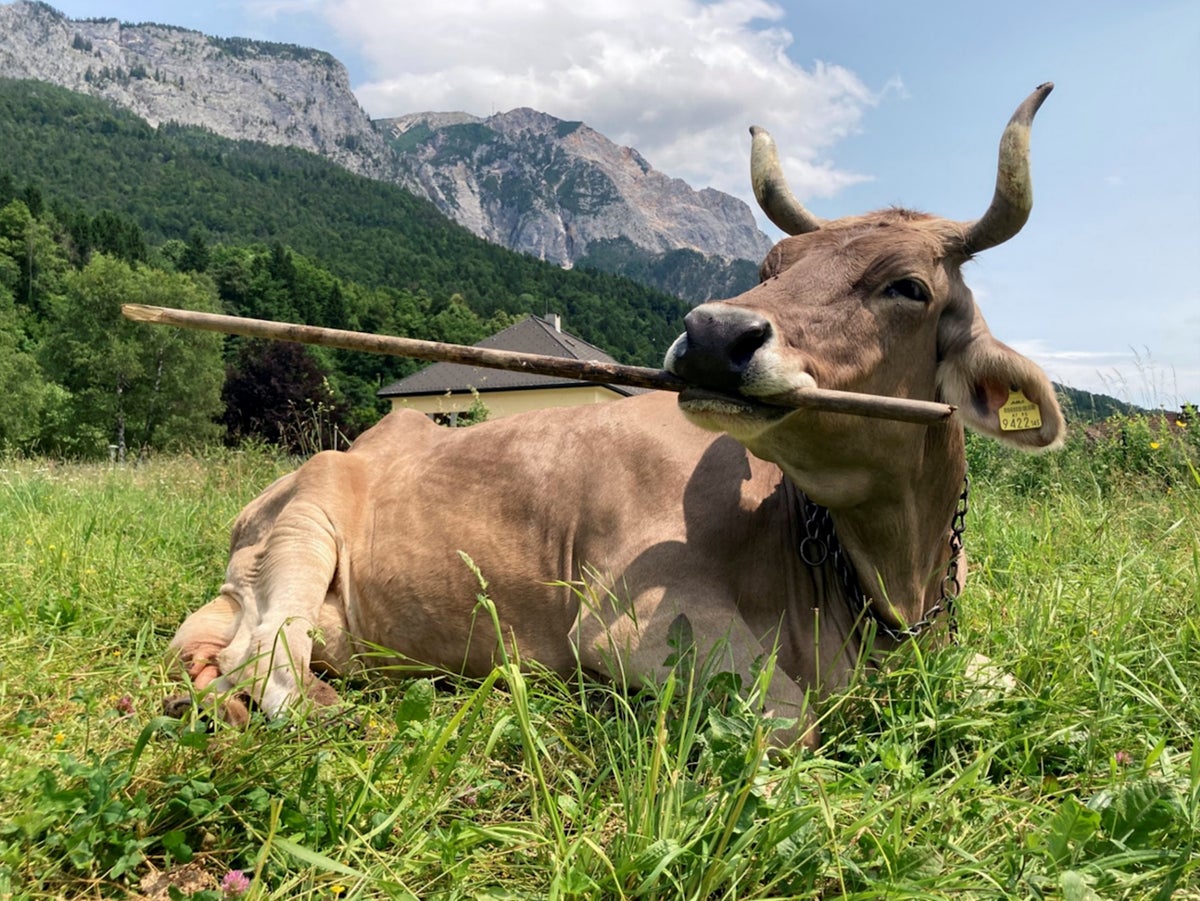
The 13-year-old Swiss Brown cow lives in the village of Notsch at the foot of the Carinthia mountains in southern Austria. She's kept as a pet by a local farmer, and can roam her meadow to her heart's delight. Like many other pets, she likes to have her back scratched. If no friendly humans are around to do the job, that's not a problem Veronika uses a brush or stick to do it herself.
Science
fromwww.independent.co.uk
2 months agoPigeon flock could be given contraceptives after taking over city's market
Whether it's investigating the financials of Elon Musk's pro-Trump PAC or producing our latest documentary, 'The A Word', which shines a light on the American women fighting for reproductive rights, we know how important it is to parse out the facts from the messaging. At such a critical moment in US history, we need reporters on the ground. Your donation allows us to keep sending journalists to speak to both sides of the story. The Independent is trusted by Americans across the entire political spectrum.
Public health
fromwww.theguardian.com
2 months agoHumanity's favourite food': how to end the livestock industry but keep eating meat
For someone aiming to end the global livestock industry, Bruce Friedrich begins his new book called Meat in disarming fashion: I'm not here to tell anyone what to eat. You won't find vegetarian or vegan recipes in this book, and you won't find a single sentence attempting to convince you to eat differently. This book isn't about policing your plate.
Environment
fromwww.theguardian.com
1 month agoSmall changes in how we garden can make a big difference to birds | Letter
Around a third of UK gardeners use pesticides, and our studies found that house sparrow numbers, for example, were nearly 40% lower in gardens where the pesticide metaldehyde was used. By reducing pesticide use, you can actively encourage birds back into your outdoor spaces, as they rely on invertebrates such as slugs and snails as natural prey.
Pets
fromInsideHook
2 months agoAn Essential Part of Farming Has Two Wings and a Beak
When you think of farming, what ingredients do you generally associate with a successful harvest? The basics certainly come to mind: fertile soil, plenty of sunlight and lots of water. But there are other variables that can also mean the difference between a crop of healthy fruits and vegetables and a large heap of organic waste. And it turns out that one of those variables is a very small hawk.
Agriculture
Environment
fromFortune
1 month agoAnimal behavioralists saved a rhino with bleeding eyes by giving it eye drops, in a "ridiculous idea" gone right | Fortune
Voluntary training allowed caretakers to safely administer eyedrops to an endangered white rhino in Zimbabwe, preserving vision and protecting a community reintroduction program.
fromNature
1 month agoThe age of animal experiments is waning. Where will science go next?
Last November, the UK government announced a bold plan to phase out animal testing in some areas of research. Animal tests for skin irritation are scheduled for elimination this year, and some studies on dogs should be slashed by 2030. The long-term vision is 'a world where the use of animals in science is eliminated in all but exceptional circumstances'.
Science
fromwww.theguardian.com
2 months agoInventor says robo-vaccination machine could be used to combat bovine TB
So Tony Cholerton, a zookeeper who had been a motorcycle engineer for many years, invented Robovacc a machine to quickly administer vital jabs without the presence of people. The result, a clever contraption he controlled from an adjacent room with a handset taken from remote-control toy aeroplanes, successfully administered vaccinations to Cinta in a feeding area. The tiger sat up briefly, mid-meal, as the needle penetrated her rear end, then calmly continued eating.
Science
fromRealagriculture
2 months agoRuminating with RealAg, Ep 38: Setting the stage for healthy calves and high weaning weights
Central to this window is the delivery of colostrum, which provides essential antibodies and energy. To ensure success, she recommends following a "two by four" rule. "...getting colostrum in within those first four hours is really critical to getting the best absorption," says Fowler, specifying that calves should receive two litres by four hours of age and an additional two litres by 12 hours. She points out that failure of passive transfer can lead to a 10-kilogram decrease in weaning weight.
Agriculture
[ Load more ]