Paris food
fromThe Local France
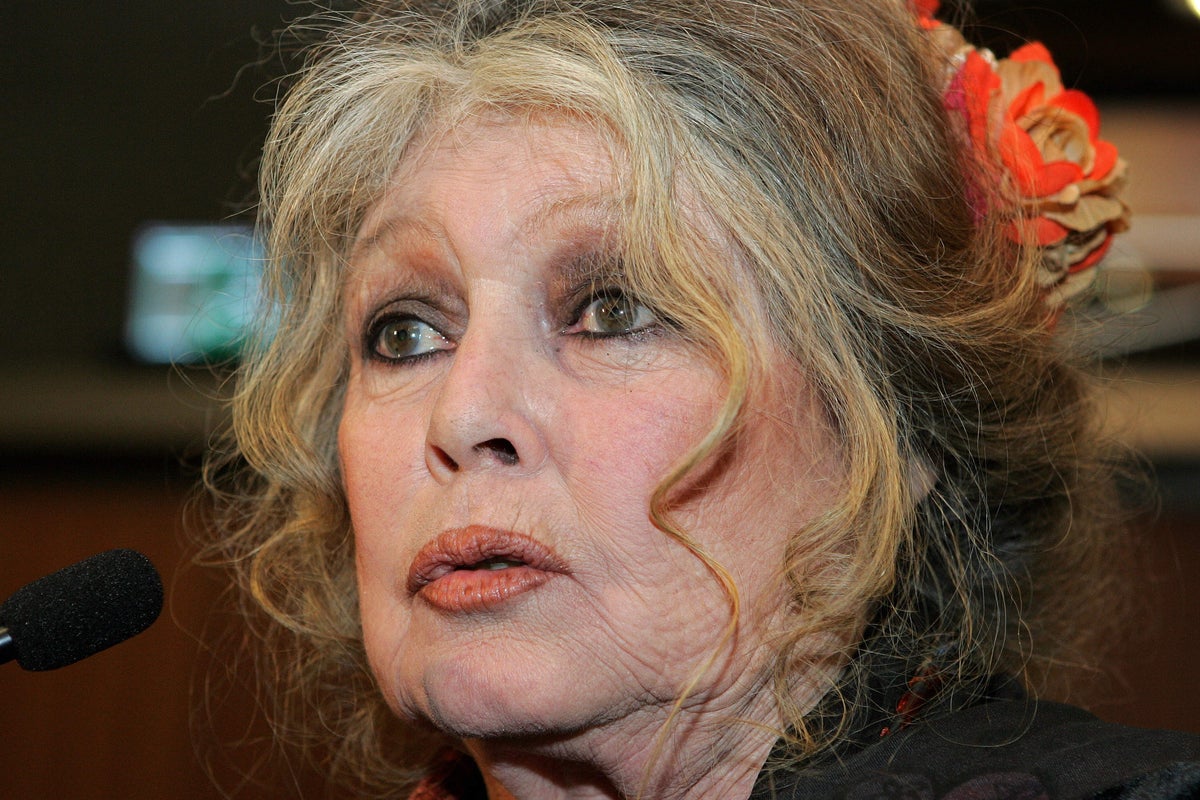
5 hours agoDogs allowed on new Brigitte Bardot beach in south of France
Cannes and Nice renamed beaches for Brigitte Bardot and allowed dogs at set times as tributes to her legacy.
Bardot, who died in December aged 91, became arguably the most celebrated figure in postwar French cinema for films such as And God Created Woman and Contempt, but after quitting acting in the early 1970s her later years were marred by increasing political activity on the far right, resulting in a string of convictions for inciting racial hatred.
Speaking to Paris Match, d'Ormale explained Bardot was also suffering from severe back pain and underwent two operations before she died at her home in Saint-Tropez on December 28. She was 91 years old. She was conscious and concerned about the fate of animals until the very end, he said. It was cancer that took her away, d'Ormale continued, adding that Bardot had resisted very well until recently.
With her death on 28 December, another more contemporary Bardot illusion was shattered. The singer Chappell Roan, responding to Bardot's passing at 91, posted a photo of the actor in her beehived prime on Instagram, saying she had inspired her song Red Wine Supernova and writing: Rest in peace Ms Bardot.
Brigitte Bardot was a very carnal incarnation of the new, sexually liberated woman, wrote film critics in the 1950s and 60s. (I understand your main interest is animals, said a flustered BBC interviewer. No, replied Bardot, my main interest is sex.) That was how Bardot, who has died aged 91, was sold as a film star but, in truth, she could have been a character from a novel by Colette, whose subject was always l'amour love as a transaction, or a madness, seldom a liberation.
Brigitte Bardot's image as a free spirit who defied convention made her a powerful symbol of women's liberation in the 1950s and '60s. That reputation was not just for the cameras and red carpets; it extended into her personal life and how she styled her homes. This was in sharp contrast to her upbringing as the sheltered older daughter of a bourgeois Parisian family, raised among period furniture, oriental rugs, and other markers of refinement.