#camera
#camera
[ follow ]
#smartphone #battery #technology #battery-life #design #vivo #smartphones #samsung #pricing #specifications #5g














fromGSMArena.com
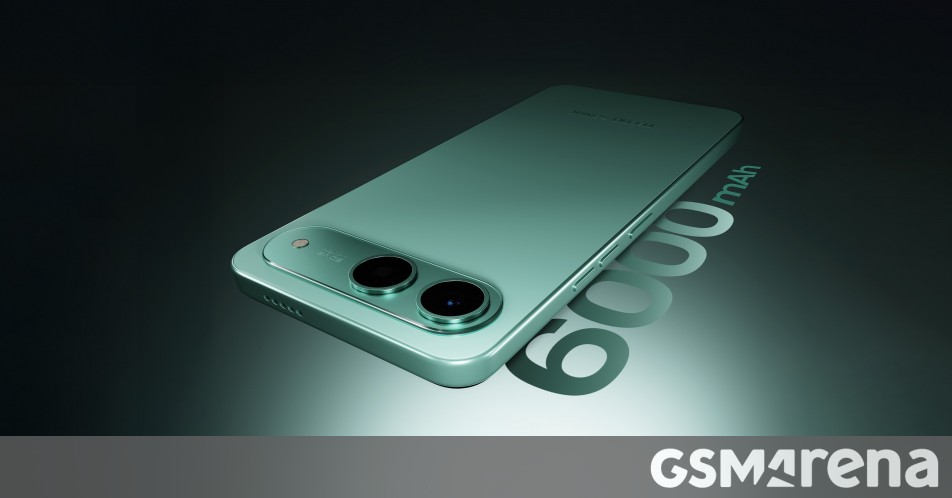
2 weeks agoThe new Lava Bold N2 Pro debuts with an old 4G chipset, 6.67" 120Hz display
The Lava Bold N2 Pro is powered by the Unisoc T7250, a 12nm chip with Cortex-A75 and A55 cores, a Mali-G57 and an LTE modem, featuring a single configuration with 4GB of RAM and 128GB storage.
Mobile UX



fromThe Verge
2 months agoSamsung's next Unpacked is confirmed for later this month
Samsung's annual Galaxy S-series reveal is later than usual this year, but we finally have a confirmed date to circle on the calendar: February 25th. And if you were hoping for major hardware upgrades from the company's flagship phones, you probably shouldn't hold your breath: an extensive leak published by WinFuture has seemingly confirmed that the S26 series will be a software-focused affair.
Gadgets
fromKotaku
2 months agoGoogle Slashes the Pixel 10 Pro to a Record Low as It Prepares to Launch the New Pixel 10a With Gemini - Kotaku
The Pixel 10 Pro comes in four variants, differing in storage size. The model with 128GB-the lowest amount of storage-is currently priced down to $799, originally $999. Up a size, the 256GB option has dropped from $1,099 to $899. The 512GB model has come down from $1,219 to just $1,019. If that's still not enough storage space for you, a full 1TB model is available for $200 off at $1,249 (was $1,449).
Gadgets



fromGSMArena.com
4 months agoMore Poco M8 Pro details leak, it seems to be a rebranded Redmi
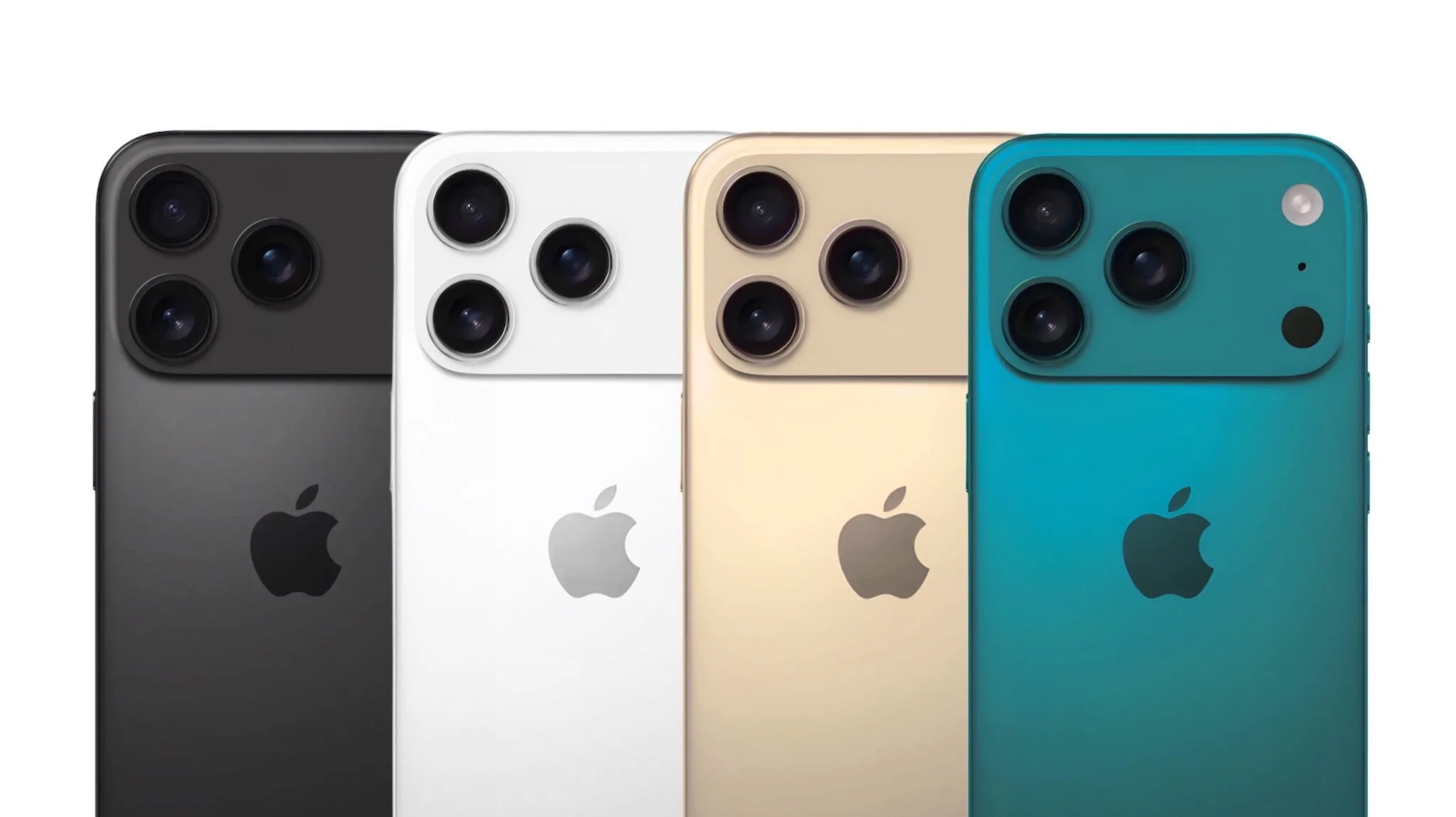
According to this source, the Poco M8 Pro will be identical to the upcoming Redmi Note 15 Pro+ in every way bar one. The key difference will be in the camera department, where, the tipster says, "Poco swaps the 200MP 4x optical zoom periscope telephoto camera for a 50MP main camera on the rear". That doesn't make a lot of sense - how can you replace a telephoto camera with a main camera?
Gadgets

.jpg)
fromZDNET
4 months agoThe OnePlus 12 is still a powerhouse phone in 2025 - and it's on sale for $300 off
While last year's focus for smartphone makers was unquestionably on AI -- it was the mobile trend of the year -- the is unabashedly a phone first, AI companion second kind of device. Instead of prematurely jumping onto the AI bandwagon, promoting its phones with features that aren't readily available, the Shenzhen manufacturer prioritized aspects that mattered more, such as charging tech, battery life, and performance.
Gadgets
Mobile UX
fromGSMArena.com
4 months agoHonor 500 series make debut in China with Snapdragon chips and huge batteries
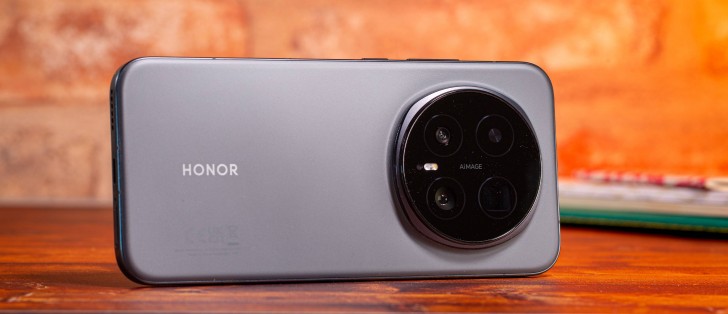
Honor 500 series combines iPhone Air-inspired design, flagship camera hardware, Snapdragon 8 Elite option, massive 8,000mAh battery, IP68/IP69K durability, and advanced charging features.



Gadgets
fromKotaku
6 months agoSamsung Galaxy S25 Ultra Gets Even Cheaper Than Yesterday on the Final Day of Prime Day While iPhone 17 Stays Pricey - Kotaku
Samsung Galaxy S25 Ultra (256GB) is discounted to $935 (Prime) or $950 (non-Prime), offering flagship specs including Snapdragon 8 Elite, 200MP camera, and 5,000mAh battery.
fromGadgets 360
6 months agoiQOO Neo 10 Review: Gaming-Grade Hardware for Everyone
iQOO's Neo 10R offers excellent value for money, but it sure wasn't the best at everything (especially its cameras). With the iQOO Neo 10, the brand raises the bar. At a slightly higher asking price, the iQOO Neo 10 attempts to deliver even better value compared to its R-branded sibling. While doing so, iQOO also ends up challenging the norm of this segment,
Gadgets
fromZDNET
6 months agoThis hidden Pixel camera feature makes my photos absolutely pop - how to enable it
One reason why the Pixel phones are so popular is the camera. There's a depth, a level of clarity, and brilliant/accurate colors that most phone cameras cannot match. Google is always trying to one-up itself by improving the Pixel camera with every iteration. Back with the Pixel 8, Google introduced the P3 wide gamut capture feature that came along with the Ultra HDR format of Android 14. The Display P3 wide gamut capture makes photos seriously come alive with color.
Gadgets





fromGSMArena.com
7 months agovivo V60 review
On the surface, this is the same formula we've come to expect from vivo's V-line: stylish design, plenty of megapixels, and some clever camera software tricks. The difference this time is that vivo finally decided to refresh the chipset. The Snapdragon 7 Gen 4 replaces last year's Gen 3, though the jump feels more like a cautious step forward than a bold leap. Still, it gives the phone the performance bump it needs to stay competitive in its price class.
Gadgets


fromstupiddope.com
9 months agoThe Sony RX1R III Is a Compact 61MP Weapon for Creators and Photographers Alike | stupidDOPE | Est. 2008
The RX1R III features a 61-megapixel full-frame sensor, ZEISS 35mm f/2 lens, AI-powered autofocus, and pro-level video features, enhancing performance in a compact design.
Gadgets
[ Load more ]