#che-guevara-legacy-removal
#che-guevara-legacy-removal
[ follow ]
#cuba #us-sanctions #venezuela #us-cuba-relations #economic-crisis #cuba-energy-crisis #humanitarian-crisis

fromenglish.elpais.com
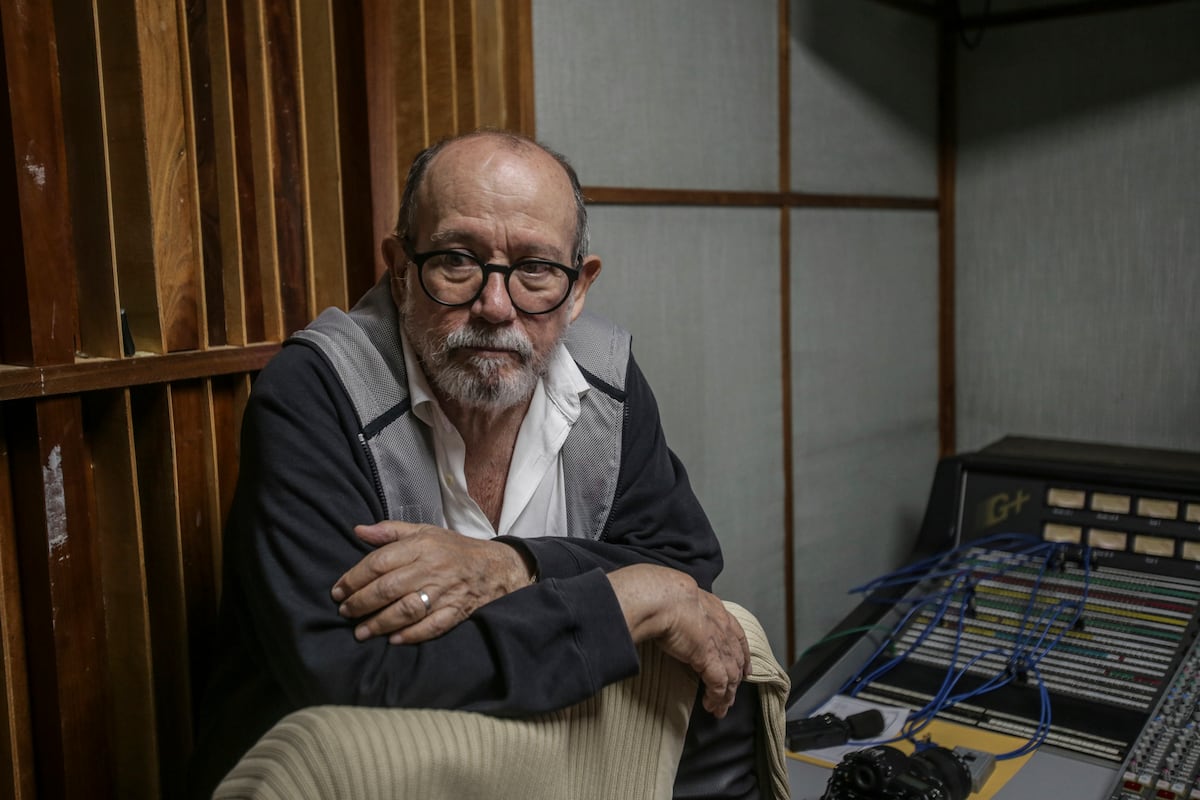
2 weeks agoSilvio Rodriguez: The world is run by an authoritarian, warmongering, thieving regime. And it's not Cuba'
There are politics in my songs, but not propaganda, says the musician, who receives EL PAIS on Wednesday at the Ojala studios in Havana. He speaks of the government's orthodox and closed vision in the economic sphere, and of his commitment to a less rigid socialism.
Music production

Independent films
fromwww.theguardian.com
4 weeks agoOrwell went off to fight. I thought I'd have to do the same': Raoul Peck on his intimate connection with the writer
Raoul Peck, a Haitian-born filmmaker known for examining intellectual history and power structures, found unexpected relevance in George Orwell's work despite initial skepticism.
fromenglish.elpais.com
1 month agoCuba's collapse in the age of influencers: Staying here should be a source of pride, not a sacrifice'
She explained that she was facing bureaucratic hurdles in obtaining her degree to qualify as a senior technician in dental prosthetics. And, even with the diploma, it would be difficult to survive on a monthly salary of 3,000 pesos (about $6). In Cuba, she said, you have to be a magician to survive the nonexistent transportation, the inflation, the corruption, [or] the fact that the country is operating with a currency that not everyone can access.
Social justice
fromenglish.elpais.com
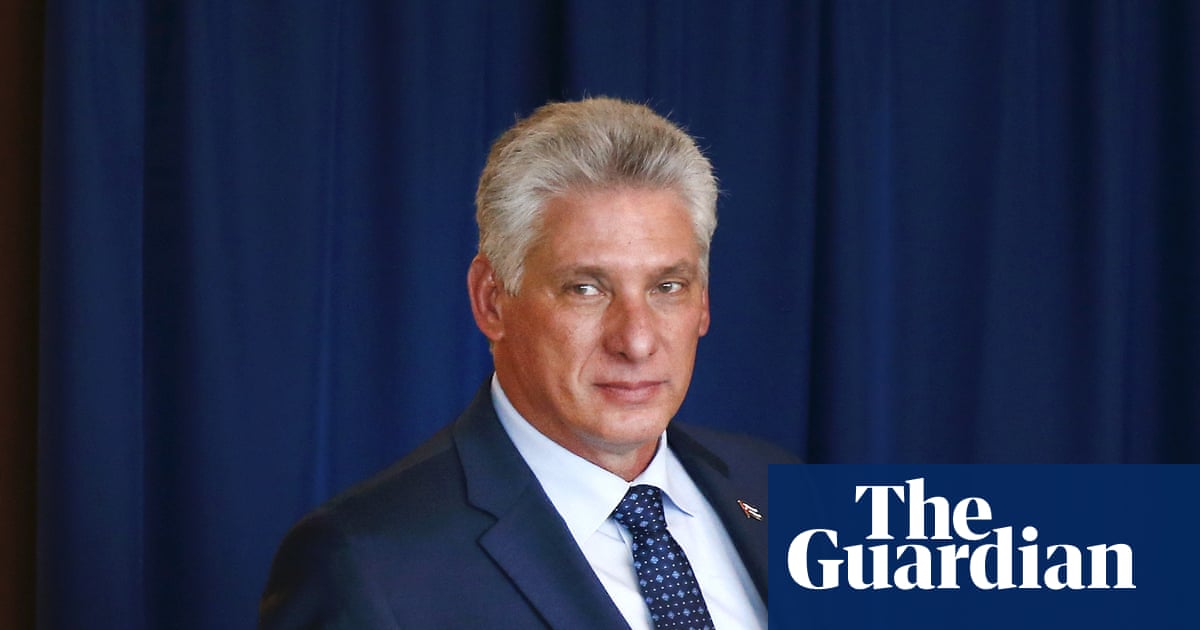
1 month agoBolivia wants to bury the ghost of Che Guevara
This is not a simple administrative issue, but a renewed attempt by the center-right government of Rodrigo Paz to sweep aside the memory of the world's most famous guerrilla fighter, who was assassinated in the Bolivian village of La Higuera in 1967. Since Bolivia's Movement Towards Socialism (MAS) lost power to the new government last year, several attempts have been made to rid the country of Guevara's legacy.
Madrid food
fromwww.npr.org
1 month agoCuba will release 51 people from prison in an unexpected move
Cuba's government said Thursday night that it would release 51 people from the island's prisons in an unexpected move. The Ministry of Foreign Affairs said the release in the upcoming days stems from a spirit of goodwill and close relations with the Vatican. The government did not identify who it would release, except to say that 'all have served a significant part of their sentence and have maintained good conduct in prison.'
US news
#us-cuba-relations


fromwww.theguardian.com
1 month agoWorld news
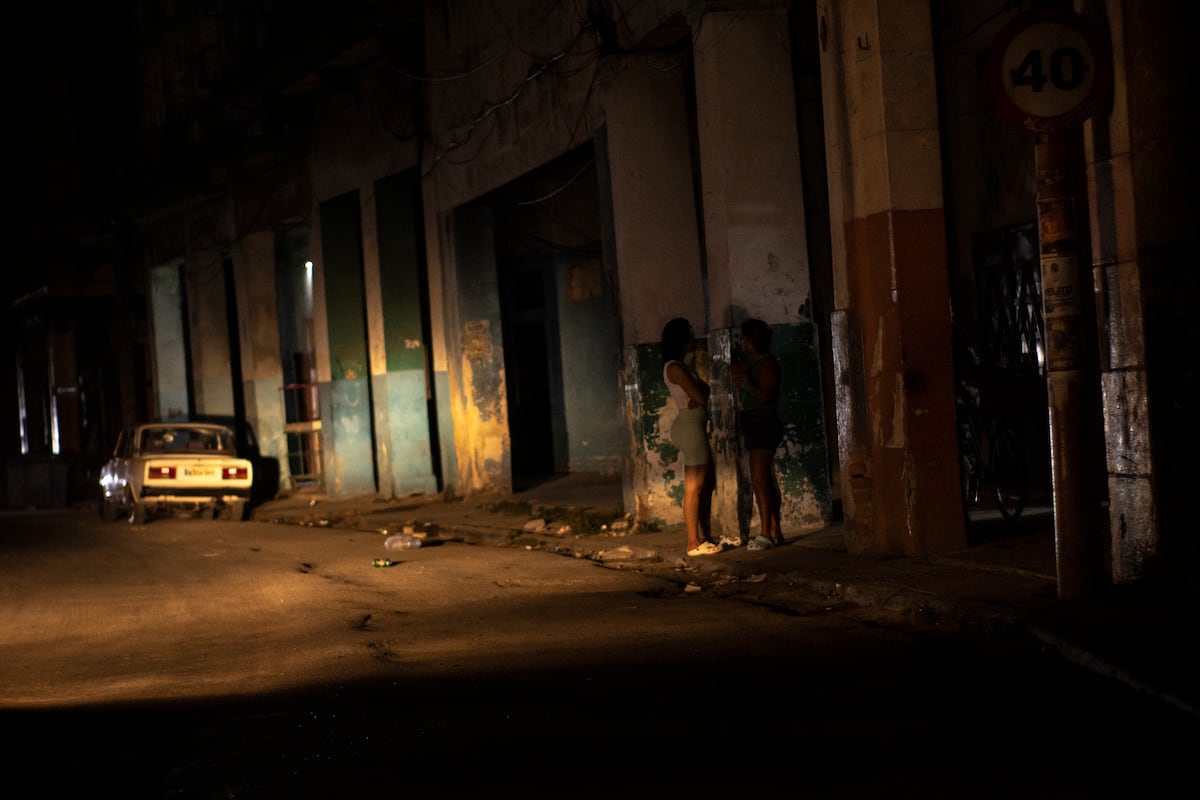
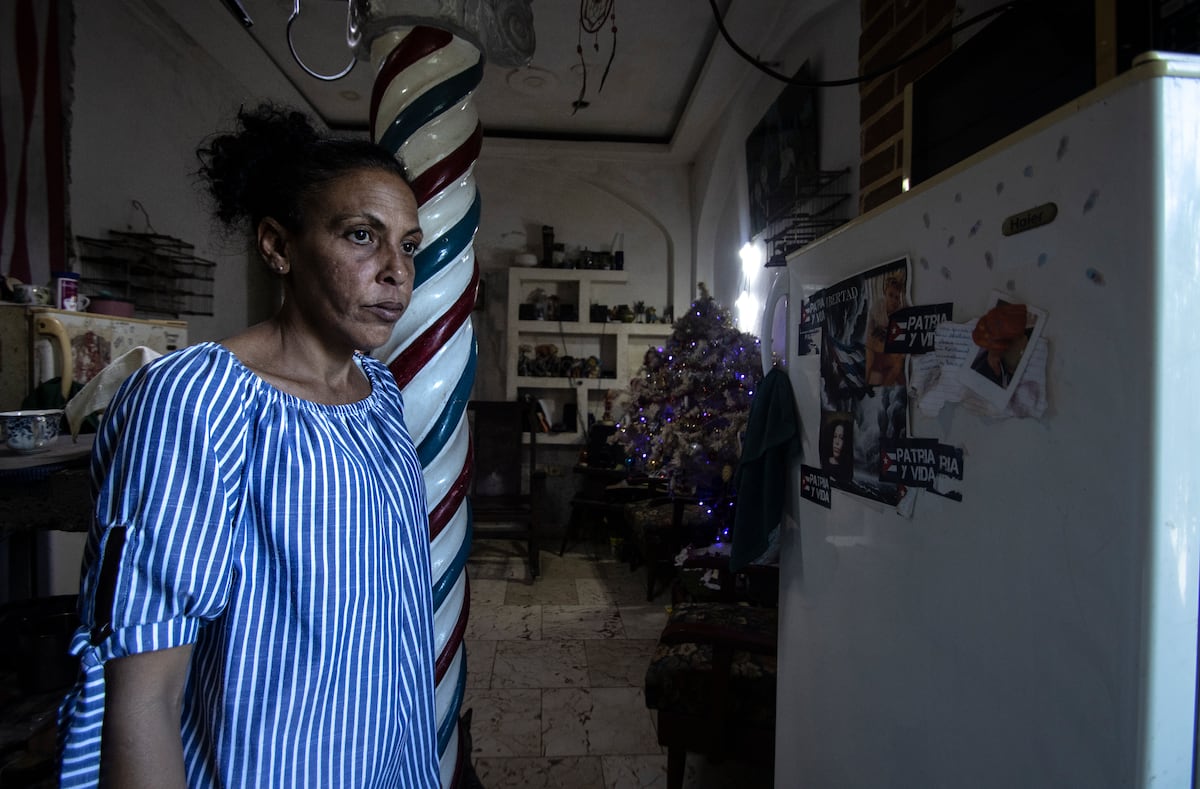
In the other US target of regime change, Cuba, I saw real hardship and resilience | Sara Kozameh
Trump's executive order declaring a national emergency against Cuba and imposing oil tariffs has severely worsened the island's energy crisis, causing daily power outages lasting 18 hours and widespread economic hardship for ordinary Cubans.
World news
fromwww.aljazeera.com
1 month agoTrump threatens Cuba again, says island nation may face friendly takeover'
Trump signals continued US pursuit of Cuban government change amid the island's energy and economic crisis, with Secretary of State Rubio leading negotiations that could involve a 'friendly takeover.'
World news
fromwww.theguardian.com
1 month agoIn the other US target of regime change, Cuba, I saw real hardship and resilience | Sara Kozameh
Trump's executive order declaring a national emergency against Cuba and imposing oil tariffs has severely worsened the island's energy crisis, causing daily power outages lasting 18 hours and widespread economic hardship for ordinary Cubans.

World news
fromenglish.elpais.com
3 weeks agoCubans at their limit: How is it possible that in my country they listen to anyone but the people?'
Cuban families of political prisoners express frustration that the government negotiates with the United States while refusing dialogue with citizens demanding basic freedoms, amid ongoing humanitarian crises including prolonged blackouts and water shortages.
fromenglish.elpais.com
2 months agoFrom the Bay of Pigs to the capture of Maduro: Over half a century of waiting for the fall of Castroism
they won't sit with novices or enthusiastic tourists visiting Calle Ocho, the heart of the disapora in Miami, to admire the nostalgic murals of Cuban exile, but rather be able to play one-on-one with their own kind, those who know Little Havana, people who left Cuba and helped build a city on the swamp that was Miami, who spend long hours thinking about what a return would be like and who never stop talking about politics.
US politics
fromwww.theguardian.com
1 month agoThe time of monsters': everyone is quoting Gramsci but what did he actually say?
At a time when geopolitical certainties of old are crumbling away, it has become the go-to quote to make sense of the current moment in all its seeming senselessness. The old world is dying, and the new world struggles to be born: now is the time of monsters is a line attributed to the former Italian Communist party leader Antonio Gramsci. Over the last two months alone, it has been quoted and often mangled by a rightwing Belgian prime minister, a leftwing British political leader, an Irish central banker and in the title of the most recent BBC Reith lecture, given by the author Rutger Bregman.
Philosophy
#cuba-protests

World news
fromwww.theguardian.com
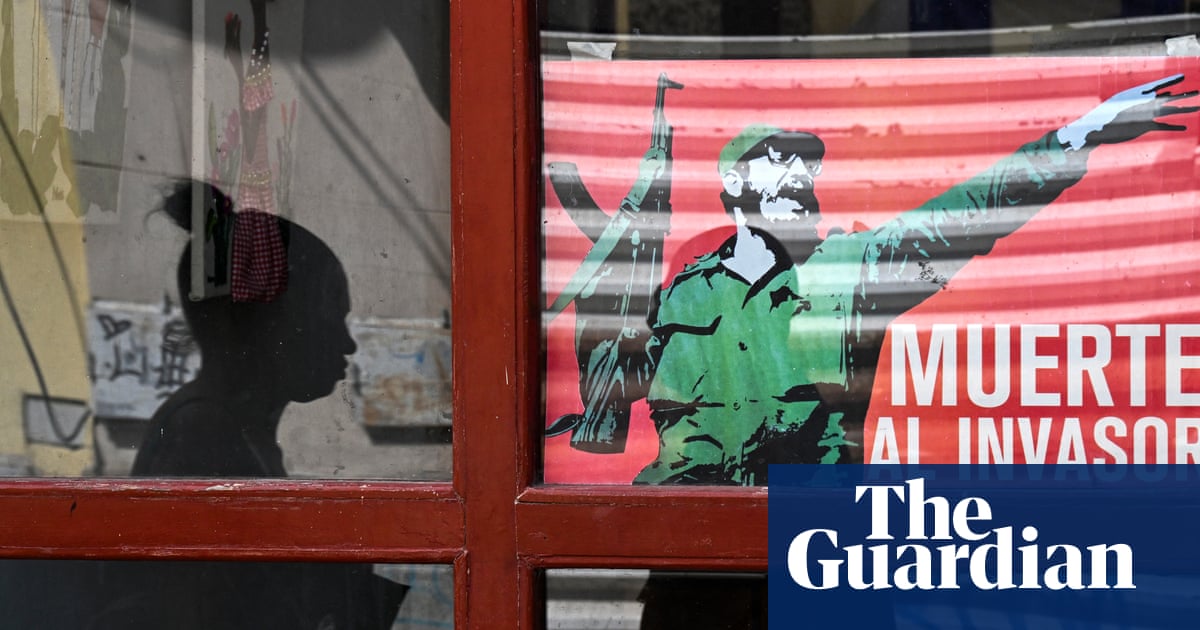
1 month agoFive arrested in Cuba after protest at local Communist party office
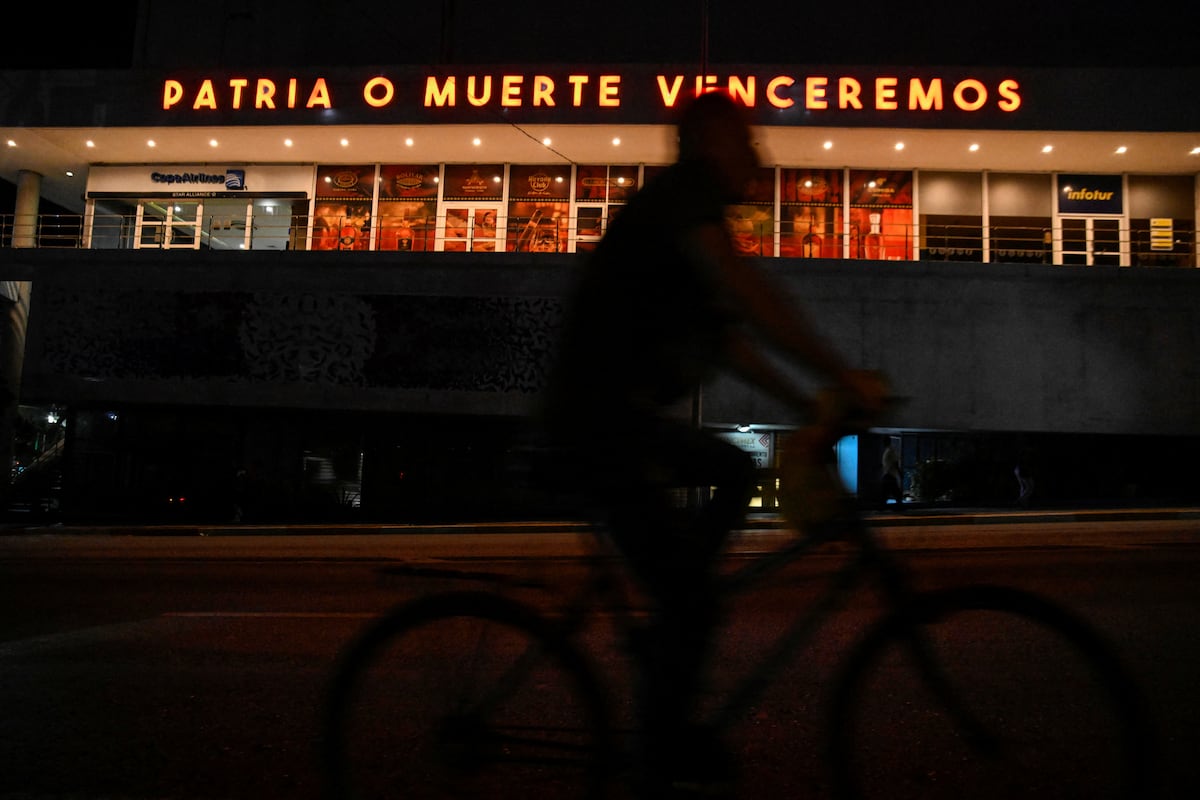
Five people arrested in Cuba after protesters vandalized a Communist Party office in Moron, setting fires and destroying property amid widespread discontent over food, medicine shortages, and power blackouts.
fromTruthout
2 months agoTrump's Imperial Nostalgia in Latin America Will Come at a High Cost
The Trump administration's exercise in armed regime change in Venezuela should have come as no surprise. The U.S. naval buildup in the Caribbean and the attacks on defenseless boats off the Venezuelan coast - based on unproven allegations that they contained drug traffickers - had been underway for more than three months. By the end of December 2025, in fact, such strikes on boats near Venezuela (and in the Eastern Pacific) had already killed 115 people.
World politics
fromwww.aljazeera.com
1 month agoCuba hit by widespread blackout; Ecuador expels Havana's ambassador, staff
Cuban state media outlet Cubadebate said the blackout was caused by a fault at the Antonio Guiteras thermoelectric plant, located about 100km (62 miles) east of Havana, which cut electricity from Pinar del Rio in the far west of the country to the eastern Las Tunas province. In all, two-thirds of the country, including Havana, were left without power, according to the national electric company UNE, which said it was working to restore services.
World news
fromenglish.elpais.com
1 month agoThe sinking of Cuba: We are a sacrificial altar'
A few blocks from Revolution Square, in a former shantytown in Havana, Dr. Omitsa Valdes holds her consultations. It's a dusty, dilapidated place where she tells patients they must bring their own syringe and medication from home. But if a general checkup is needed, including urine and blood tests, Dr. Valdes is even more direct: If you can get it done yourself, I'll write the order.
World news
fromenglish.elpais.com
2 months agoFrom Havana to Damascus: The story of rebel commander Bachar Alkaderi
Among the rebels who, on December 8, entered Damascus and put an end to almost 14 years of conflict and the Assad family regime one of the cruellest and longest-lasting in the Middle East was one who spoke Spanish with a slight Caribbean accent. Dr. Bachar Alkaderi, a graduate of the University of Medical Sciences of Havana, specializing in general and thoracic surgery, became, through the twists of fate and history, a revolutionary commander.
World news
fromenglish.elpais.com
2 months agoCrisis in Cuba stirs the ideological core of Mexico's government
Mexico's defense of Cuba hasn't been limited to President Sheinbaum's daily press conferences. Prominent Morena figures from parliamentary spokespeople to party president Luisa Alcalde have publicly aligned themselves with Havana. Within Morena, a broad and sometimes divided political family, the party's more orthodox or nostalgic left wing has embraced the Cuban crisis as an ideological cause and is pushing for even closer ties with Havana.
World news
[ Load more ]