#chemical-irritants
#chemical-irritants
[ follow ]
#air-quality #air-pollution #public-health #pm25 #epa #public-health-policy #pollution #health-risks





#microplastics
OMG science
fromFuturism
2 weeks agoYou Know How Scientists Keep Finding Microplastics Literally Everywhere? Well, You'd Never Guess What Their Lab Gloves Are Coated in Straight Out of the Packaging
Skepticism grows in the scientific community regarding microplastics research due to potential methodological errors and contamination issues.
NYC politics
fromwww.amny.com
2 weeks agoA moral injury': City sued over not releasing information on Lower Manhattan air quality danger after 9/11 attack | amNewYork
Advocates are suing New York City for transparency regarding air quality information post-9/11 to seek accountability and answers, not compensation.


fromLos Angeles Times
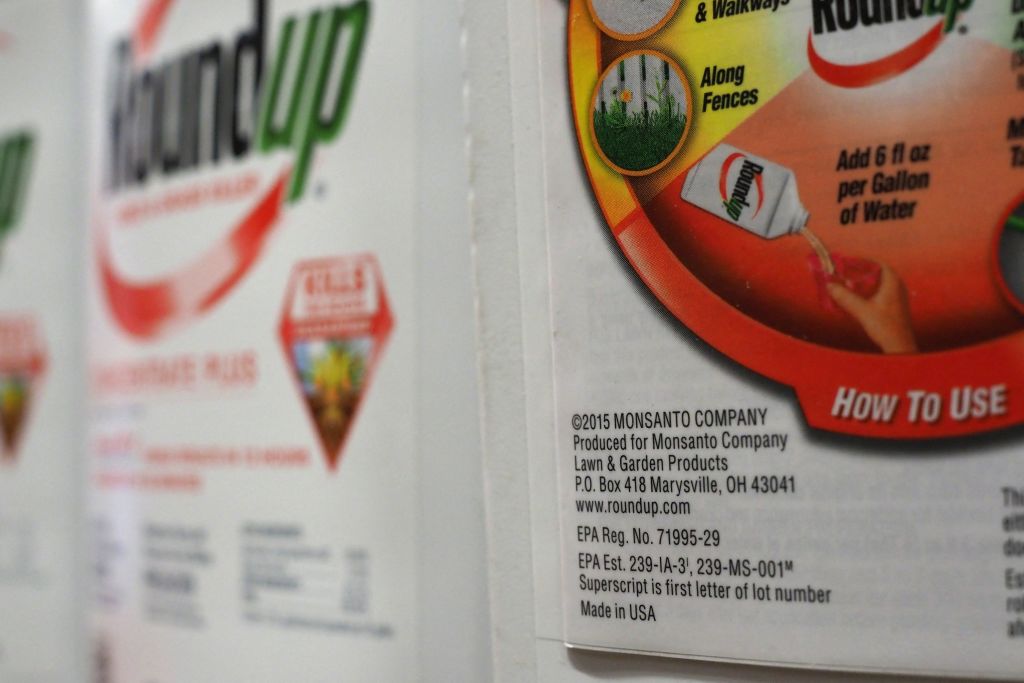
3 weeks agoSmoglandia: Smog was killing L.A., and a Caltech chemist found the murder weapon - in our garages
The weather was hot and sticky, and the acid sting of the smog had crept as far west as Beverly Hills. From the top of Mulholland Drive, you could see it leveled out all over the city like a ground mist.
LA food
fromTODAY.com
2 weeks agoThese Are the 2 Most Dangerous Home Cleaning Products to Have Around Kids, New Research Shows
"What surprised me is we are still seeing so many visits to emergency departments associated with very common household cleaning products," Lara McKenzie, Ph.D., stated, emphasizing the ongoing issue despite safety advancements.
Public health
#occupational-health

Public health
fromMetro Silicon Valley | Silicon Valley's Leading Weekly
1 month agoSilicosis Epidemic in California Leads to New Worker Safety Law
Engineered stone fabrication workers face a silicosis epidemic in California, with 29 deaths and hundreds sickened, prompting the state's first-in-nation protective law effective January 1.
Public health
fromMetro Silicon Valley | Silicon Valley's Leading Weekly
1 month agoSilicosis Epidemic in California Leads to New Worker Safety Law
Engineered stone fabrication workers face a silicosis epidemic in California, with 29 deaths and hundreds sickened, prompting the state's first-in-nation protective law effective January 1.
Everyday cooking
fromTasting Table
1 month agoThe Kitchen Cleaning Product It's Time To Ditch - Tasting Table
Strongly scented cleaning products mask odors that signal bacterial contamination, leave residue that attracts dust, and can trigger allergies, making unscented natural cleaners a safer, more effective alternative.
fromFast Company
1 month agoHow silicone wristbands can help scientists monitor 'forever chemicals'
Environmental monitoring has traditionally relied on snapshots of exposure from a water sample collected on a single day, a blood sample drawn at one point in time, or soil tested from a specific location. But exposure unfolds gradually as people move through different environments and come into contact with air, dust, and surfaces throughout the day.
Wearables
Environment
fromJezebel
1 month agoImagine If the Trump EPA Cared Enough to REDUCE Our Daily Exposure to Carcinogens
The EPA has shifted from environmental protection to facilitating increased carcinogen emissions, including weakening ethylene oxide regulations despite evidence of severe health risks to children.
fromwww.dw.com
1 month agoWhat are plasticizers, and are they bad for our health?
Plasticizers are a general term for a whole range of chemicals added to materials, typically plastic and rubber, to make them softer and more pliable. They're found in countless everyday items like plastic shower curtains, shrink-wrap, PVC raincoats or flexible tubing and wire insulation for homes. Plasticizers, sometimes called phthalates, are also found in cosmetics, like nail polishes, lotions and shampoos.
Alternative medicine

Environment
fromTruthout
1 month agoHouse Bill Could Weaken EPA Oversight of Hazardous Chemicals
House conservatives propose rolling back 2016 reforms to the Toxic Substances Control Act, weakening EPA authority to regulate hazardous chemicals despite ongoing groundwater contamination cases like Jones Road.
fromwww.ocregister.com
1 month agoBoy at center of California hazmat probe: I'm just a kid trying to go home'
In a calm, thoughtful voice, he explained that though the equipment in his home lab was simple—including items such as a hot plate, scales and standard glassware found in a school science classroom—the experiment itself was more advanced. Fritz said the work focused on molecular structures used in pharmaceuticals and how they might be adapted to improve treatments for various diseases.
OMG science


Information security
fromThe Hacker News
2 months agoExposure Assessment Platforms Signal a Shift in Focus
Exposure Assessment Platforms replace traditional Vulnerability Management by providing continuous, risk‑prioritized, cross‑layer visibility to reduce alert fatigue and address “dead‑end” exposures.



fromwww.theguardian.com
1 month agoTrump officials move to kill system that protects US from chemical disasters
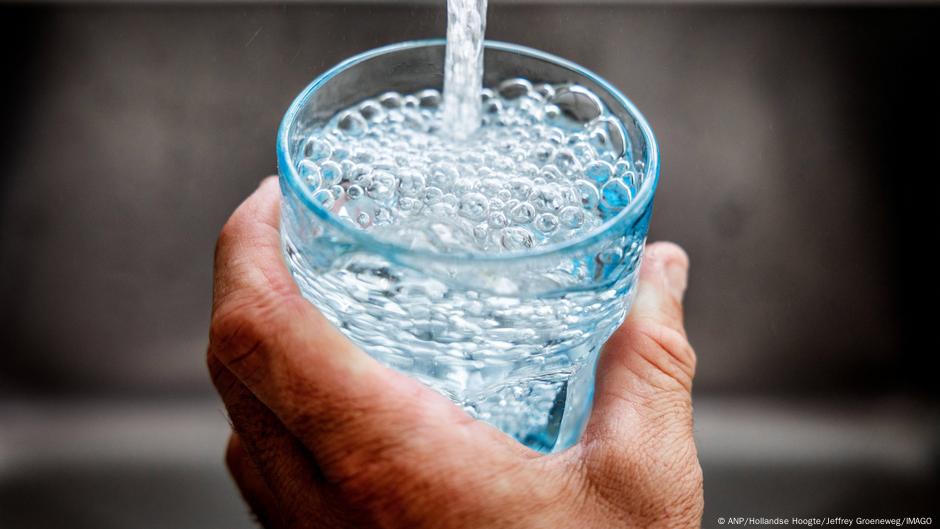
The Trump administration is slowly dismantling the federal disaster management system that protects the nation from chemical catastrophes, such as fires and explosions at high-risk facilities. The US Environmental Protection Agency's Response Management Program (RMP) requires more than 12,500 high-risk facilities to develop protocols to prevent catastrophes, or limit fallout, and was largely designed to protect workers, first responders, and fence-line communities.
US politics
fromwww.mercurynews.com
2 months agoWorker dies after falling into vat of mineral oil at chemical plant
A 71-year-old man died on Monday after falling into a large vat of mineral oil at a New Jersey chemical plant, police and the company said Tuesday. The incident occurred at around 1:30 p.m. at the Bayway Chemical Plant in Linden when the subcontractor fell into a 6,000-gallon container he was loading with oil. He was retrieved by responders from the Bayway and Linden fire departments, but pronounced dead at the scene, police said.
US news
fromKqed
3 months agoHealth Officials Work To Combat Mushroom Poisoning Outbreak | KQED
Local mushroom experts and enthusiasts have bemoaned the state's messaging around the poisonings as narrow and fear-based. Many would prefer to see an emphasis on education, rather than a prohibition on all foraging, and point out that touching, smelling and looking at mushrooms is safe. "There's a lot more nuance," said Debbie Viess, co-founder of the Bay Area Mycological Society. "It's much more important to steer people to places where they can educate themselves about the safety and the dangers of eating wild mushrooms."
US politics
Public health
fromLos Angeles Times
1 month agoTrump EPA moves to roll back recent limits on ethyene oxide, a carcinogen
The EPA proposes rolling back Biden-era ethylene oxide emission limits, citing $630 million in cost savings for medical sterilization facilities while environmental groups warn of increased cancer risks to nearby communities.

fromNature
2 months agoMicroplastic levels in the air have been overestimated, but are still a big concern
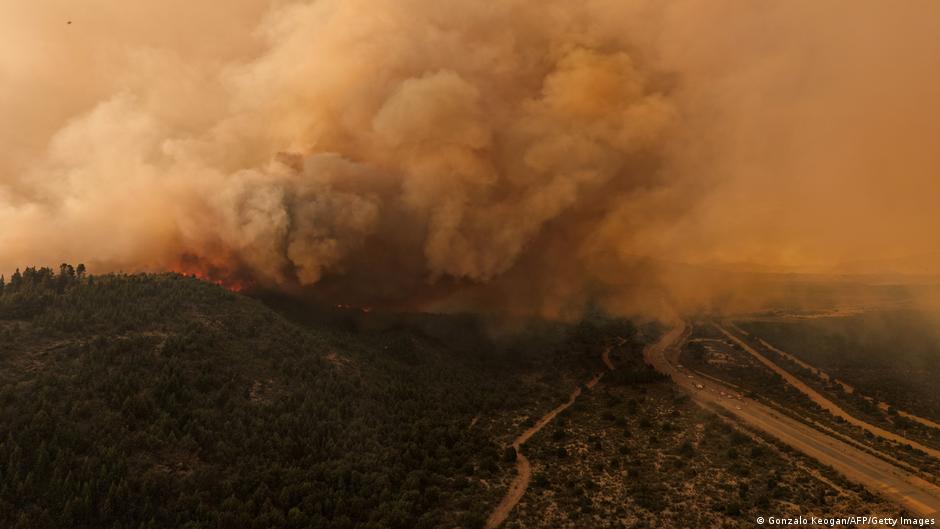
Many human activities - from improper disposal of waste to the degradation of car tyres - release small plastic particles, which have infiltrated the atmosphere, oceans and other ecosystems. These include nanoplastics - particles measuring less than 1 micrometre across - and microplastics, which range from 1 micrometre to around 5 millimetres. They've entered our bodies and brains, and scientists are still working to understand their effects on people's health.
Environment
from24/7 Wall St.
2 months agoClean Harbors (CLH): The Environmental Services Moat is Expanding
Clean Harbors just locked in a $110 million contract for PFAS water filtration at Joint Base Pearl Harbor-Hickam. This isn't just another project win. It's validation of the company's end-to-end PFAS solution: lab analytics, water filtration, site remediation, and most critically, high-temperature incineration disposal.
Environment


fromIrish Independent
2 months agoThree people taken to hospital following chemical spill at Trintiy College Dublin
"There was an incident this morning (11am) at the Trinity Biomedical Sciences Institute (TBSI) on Pearse Street involving a chemical spill," a spokesperson said. "Three individuals were transferred to St James' Hospital. Dublin Fire Brigade and An Garda Síochána attended the scene but have since left and the situation is under control. "The building is closed for environmental cleaning. We have no further update at this stage."
Environment
Public health
fromwww.standard.co.uk
2 months agoLondon firefighters exposed to toxic chemicals face higher risk of cancer, report warns
London firefighters exposed to toxic substances face higher cancer incidence and abnormal tumour markers than the general population, indicating occupational health risks.
fromNature
2 months agoExposome studies can improve lung health
The conventional approach to evaluating the impact of air pollution is to focus on a single exposure during a fixed period of time. But evidence suggests that contaminants work together, magnifying the damage to people's lungs. Conventional studies fail to probe synergistic effects. They also ignore the cumulative effects of lifelong exposures to pollutants, known as the exposome. Researchers need to shift away from single-pollutant studies and towards those involving a broad range of exposures.
Public health
fromMail Online
2 months agoScientists find dozens of cancer-causing chemicals in HAIR EXTENSIONS
But experts from Silent Spring Institute have now discovered several 'chemicals of concern' in these additions - including those made from human hair. In their study, the team screened 43 popular products sold online for a wide range of chemicals. Their analysis uncovered traces of dozens of chemicals, including flame retardants, phthalates, pesticides, styrene, tetrachloroethane, and organotins. Worryingly, previous research has shown that these substances are linked with cancer, hormone disruption, developmental problems, and effects on the immune system.
Public health
fromMail Online
2 months agoThe 25 cancer-causing chemicals FDA allows in America's food
New analysis has identified 25 chemicals linked to cancer that the Food and Drug Administration ( FDA) still allows in American food production. The findings come from scientists at the Environmental Defense Fund (EDF), a nonprofit environmental advocacy group, who determined that eight of the chemicals are classified as known human carcinogens and 17 are reasonably anticipated to be human carcinogens.
Public health
Public health
fromwww.mercurynews.com
2 months agoEvacuations, shelter in place order in effect while hazardous materials removed from Berkeley home
Residents near Colusa and Tacoma in Thousand Oaks were ordered to shelter in place or evacuate while hazardous photography chemicals including picric acid were removed.
fromwww.theguardian.com
2 months agoUnprecedented' spate of toxic mushroom illnesses jar California
The state health department reports that, between late November 2025 and early February 2026, there have been four deaths and 40 hospitalizations linked to consumption of dangerous mushrooms, an outbreak the department describes as unprecedented. That's far above the average for the state, which typically sees fewer than five mushroom-poisoning cases annually. The people who have been sickened include a seasonal farm worker couple from Oaxaca, Mexico.
Public health
[ Load more ]