Cryptocurrency
fromnews.bitcoin.com
1 day agoStand With Crypto Calls for Urgent Senate Action on CLARITY Act
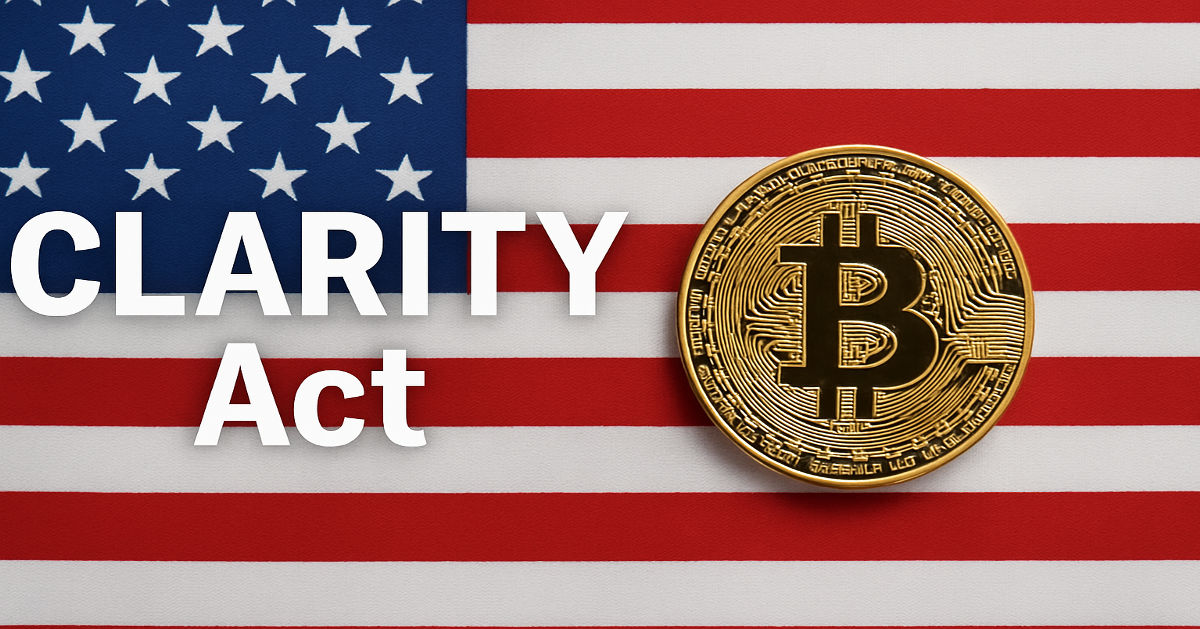
Stand With Crypto urged the Senate Banking Committee to advance the CLARITY Act for clearer digital asset regulations.
The CLARITY Act aims to address years of regulatory uncertainty with a structured framework that clearly defines digital assets, intermediary roles and disclosure obligations. It places most spot trading of qualifying tokens under CFTC oversight, while keeping the SEC responsible for primary offerings, disclosures and investor protections. The bill focuses on regulating activities as much as assets, setting registration and conduct standards for exchanges, brokers and dealers to strengthen market integrity and transparency.
President Donald Trump has selected Michael Selig, chief counsel for the Securities and Exchange Commission's crypto task force, to chair the Commodity Futures Trading Commission (CFTC). Selig's nomination, first reported by Bloomberg, marks Trump's second attempt to fill the CFTC's top post, following the stalled nomination of Brian Quintenz, a16z crypto's global policy chief, amid opposition from Gemini co-founder Tyler Winklevoss. Selig, who serves as an aide to SEC Chairman Paul Atkins, has been instrumental in coordinating regulatory approaches between the SEC and CFTC on financial and crypto market oversight. The CFTC, which regulates futures, swaps, and prediction markets, is gaining greater prominence as Congress considers new crypto market structure legislation. Before joining the SEC, he was a partner at Willkie Farr & Gallagher, specializing in asset management. Selig's appointment will require Senate confirmation.
On Friday, the U.S. Senate Banking Committee released its latest draft of the CLARITY Act (CLARITY), in which it proposes an amendment to 18 U.S. Code § 1960(a) stipulates that only crypto developers or providers that "knowingly exercise control over currency, funds, or other value that substitutes for currency" be treated as money transmitting businesses. What is more, this amendment would not only protect Bitcoin and crypto developers in the wake of a bill with this language included in its passing, but it would also protect said developers retroactively. In Section 501 of section Title V of the draft, entitled "Protecting Software Developers and Software Innovation," it states that "This section, and the amendments made by this section, shall apply to conduct occurring before, on, or after the date of enactment of this Act."