Environment
fromNature
1 day ago'Yes, we can': a blueprint for a clean economy and healthy society
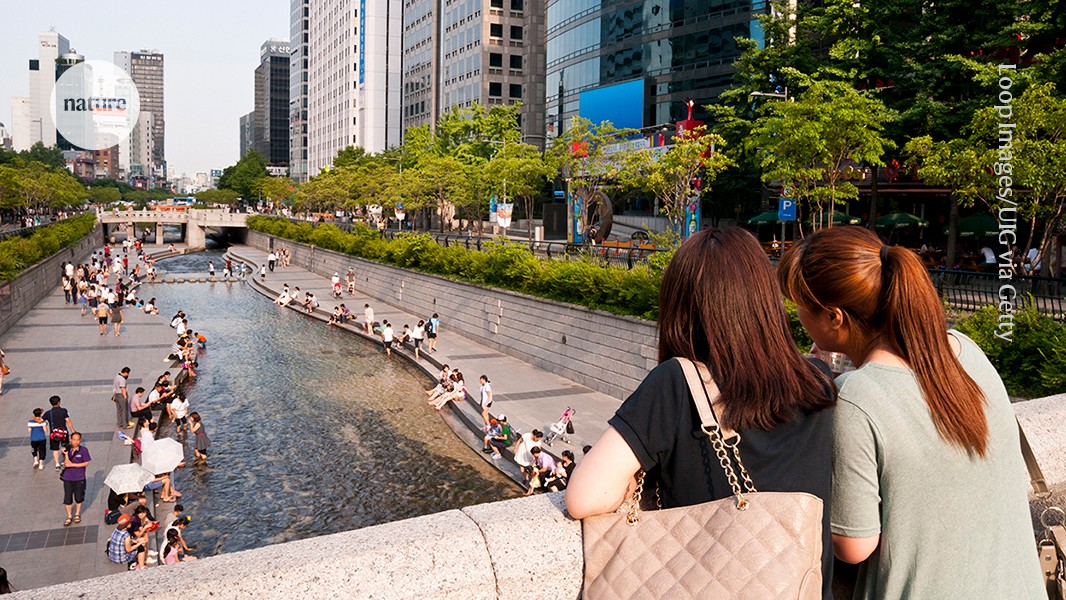
A new 'clean' economy focused on sustainability can lead to a more efficient and prosperous society.
'Never ever use these three things in a hotel room,' she warned in a video. Her first tip was to avoid using the 'wall-mounted refillable containers with soap and shampoo' now commonly found in hotel bathrooms.
After 55 days of construction, which involved enough gravel to cover four football fields and enough fuel to power a dozen homes for a whole year, the pipe is once again funneling sewage from Fairfax and Loudoun Counties to the Blue Plains Advanced Water Treatment Plant in Southwest DC.
Campaigner Aysha Hawcutt stated that residents were 'not anti-homes', but believed the Adlington plan was 'the wrong proposal in the wrong place'. She expressed pride in the community's resilience against the development threats.
MVHR (Mechanical Ventilation with Heat Recovery) systems are designed to continuously replace stale indoor air with fresh outdoor air while recovering heat that would otherwise be lost. In commercial and residential buildings, this technology provides several important advantages. First, it allows buildings to remain energy efficient without sacrificing airflow.
I can't do anything about some of these big problems that the world and the city are facing. But I can do one modicum of something nice. So she started cleaning up. Ellen Baum's trash-collecting crusade gained the attention of local media and concerned New Yorkers who have joined the effort to clean up a bridge she considers her back yard.
While the data shows 80% of people live within walking distance of green or blue spaces such as a river, park or woodland, it also reveals a disparity between rural and poorer urban areas. In some areas of local authorities, fewer than 20% of residents live close to these spaces, according to data released by the Department for Environment, Food and Rural Affairs on Wednesday.
My family had Slide Show Night when I was growing up. Not every Saturday, but a whole bunch of Saturdays. Either my sister or I would be in charge of setting up the projector, the screen, and loading the carousel. During the show, there'd be a few landscapes or skylines taken during vacations, but almost all the shots were up close. Like most dads, mine wasn't a professional photographer, but he did a good job of capturing memory triggers: faces, gestures, and decorations.
Jane Jacobs was also one of the voices that challenged this predominantly rationalist logic, arguing that truly vibrant streets are those capable of sustaining the diversity of everyday life, its informal exchanges, and the forms of care and natural surveillance that emerge from them. What these authors share is a fundamental insight: streets are not merely infrastructures for circulation, but social ecosystems, shaped by the relationships, uses, and encounters that take place within them.
In a statement on Friday, the council cited legislation that allows council bus drivers to refuse entry where a passenger's clothing is likely to dirty or damage the vehicle, or cause inconvenience or damage to other passengers or the driver. This can include circumstances where a passenger is wearing wet or sandy clothing that could impact the cleanliness and comfort of the shared transport environment, a spokesperson said.
Living in New York City requires a constant negotiation between what we owe our neighbors and what our neighbors owe us. In an ideal world, you and your neighbor would have a mutual understanding about why it's good for everyone to keep a clean building, but if she is indeed hoarding then it's hard to imagine she's able to give you what she can't even give herself. This is a pickle.
Though they're individually tiny, parking spots quietly play a dominant role in shaping urban landscapes. Most US cities dedicate at least 25% of their developable land to them. Some, even more. That land usage doesn't only determine the way a city looks. It also means covering large swathes of urban areas in heat-absorbing asphalt, which contributes to making summers hotter and heightens the risk of flooding since it prevents drainage during storms and heavy rainfall.
When it's dreary outside, I usually hunker down and do household chores - running the dishwasher, catching up on laundry, maybe even taking a long shower and shaving my legs. These days, though, I take the opposite approach: I never do chores that require water use when it's raining outside. That's because I recently learned that my city, Milwaukee, has a shared sewer system - which means rainwater runoff, domestic sewage, and industrial wastewater collect in the same pipes.
Cities around the world share a common goal: to become healthier and greener, supported by civic infrastructure that restores ecosystems and strengthens public life. The question is how to reach this. Global climate targets, local building codes, and municipal standards increasingly guide designers and planners toward better choices. Still, many cities struggle to translate these frameworks into everyday, street-level comfort and long-term ecological protection.
You don't have to live long in Williamsburg or Greenpoint to know New York is becoming too expensive for working families. Rents are out of control, and far too many of our neighbors are being priced out of the communities they've called home for generations. As president of the Cooper Park Residents Council, I see every day how the housing crisis affects seniors, parents, and young people who are just trying to stay in the city they love.